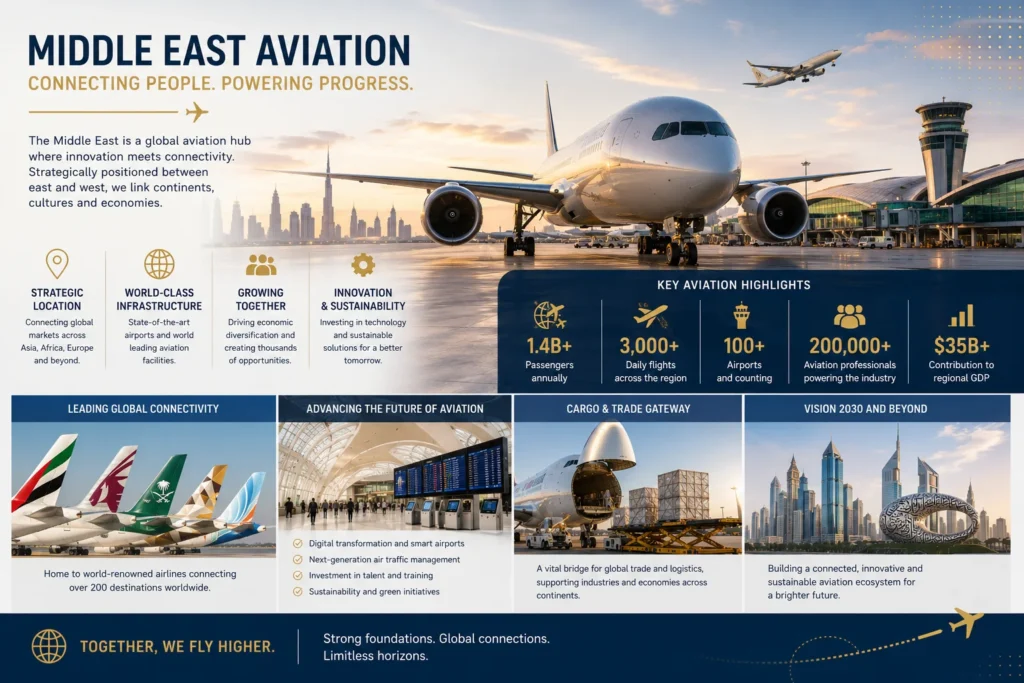
Geopolitical developments in the Middle East have caused significant operational challenges across the global aviation network, forcing widespread airspace closures and immediate changes to international flight paths. The sudden escalation has disrupted major transport hubs that serve as critical links between Western and Eastern hemispheres. According to monitoring data from international civil aviation authorities, more than 5,000 scheduled commercial flights have been cancelled or systematically rerouted, impacting the global aviation sector and raising concerns about long-term economic growth in regional travel.
Infrastructure Constraints Under Elevated Transit Pressures
Over the past two decades, the Gulf region has developed into a vital intersection for global aviation, managing approximately 14% of total worldwide air traffic. State-of-the-art facilities such as Dubai International Airport (DXB) in the United Arab Emirates, Hamad International Airport (DOH) in Qatar, and King Khalid International Airport (RUH) in Saudi Arabia operate as major transit hubs for long-haul international travel. The implementation of sudden flight restrictions has placed significant pressure on these high-capacity terminals.
Official statements from regional civil aviation authorities indicate that safety protocols require commercial aircraft to avoid volatile corridors completely. As airlines adjust to these mandates, planes must fly longer, alternative routes around restricted airspaces. These structural changes add multiple hours to standard flight times between Europe, Asia, and Oceania, causing scheduling delays and increasing fuel consumption across the aviation industry.
Assessing the Regional Tourism Economic Impact
The disruptions have prompted economic forecasting groups to issue revised growth projections for international arrivals and hospitality revenue. Analytical data from global tourism research bodies, including Tourism Economics, outlines the potential financial fallout under two primary operational scenarios based on how long the disruptions last:
Short-Term Resolution Scenario: A potential reduction of 23 million international visitor arrivals, translating to an estimated $34 billion decline in tourism-related spending across the region.
Prolonged Instability Scenario: If alternative flight paths remain necessary for an extended period, the decline could reach 38 million arrivals, risking a $56 billion drop in international visitor spending and slower growth in the hospitality sector.
Before these geopolitical events, regional tourism boards reported historically high arrival numbers, driven by major infrastructure investments and simplified visa policies designed to diversify national economies. The current transit limits create a challenging environment for independent leisure travel and corporate conventions, which depend heavily on predictable, efficient flight schedules.
Operational Responses and Rerouting Logistics
To maintain safety and operational integrity, global commercial carriers have quickly modified their route networks. Civil aviation ministries throughout the Mediterranean and Central Asia have coordinated to open supplementary high-altitude transit pathways, helping to absorb the sudden influx of displaced long-haul traffic.
National transportation ministries advise passengers scheduled to transit through the Middle East to take specific planning measures to minimize travel disruptions:
Real-Time Schedule Tracking: Monitoring official airline applications and airport departure systems for immediate updates on flight paths and gate changes.
Reviewing Transit Durations: Ensuring that connection windows accommodate potential late arrivals caused by extended flight routes.
Consulting Consular Advisories: Checking official government travel updates regarding security parameters and entry mandates for transit hubs.
Furthermore, these involuntary route changes present environmental challenges for the aviation sector. Flying longer distances to bypass restricted airspaces increases carbon emissions per passenger mile, complicating industry-wide sustainability initiatives and raising operating costs for international carriers.
Long-Term Outlook for Transcontinental Travel
The current situation highlights how closely international tourism depends on stable transport corridors. While major Gulf carriers continue to manage high passenger volumes by shifting resources and adjusting schedules, the overall efficiency of global transit relies on keeping primary flight paths open.
Regional transport ministries and international aviation oversight bodies remain in continuous communication to evaluate airspace safety and update commercial transit guidelines. Until standard flight paths are restored, travelers can expect ongoing schedule adjustments, making flexibility and thorough pre-travel planning essential for international journeys across the hemisphere.
For more travel news like this, keep reading Global Travel Wire