Global tourism authorities and regional destination leaders are increasingly anchoring their long-term development strategies around the concept of sustainable tourism resilience. Rather than merely navigating short-term market shifts, national tourism boards, commercial airlines, hospitality groups, and civil aviation ministries are actively adapting operational frameworks to build an agile foundation for future economic expansion.
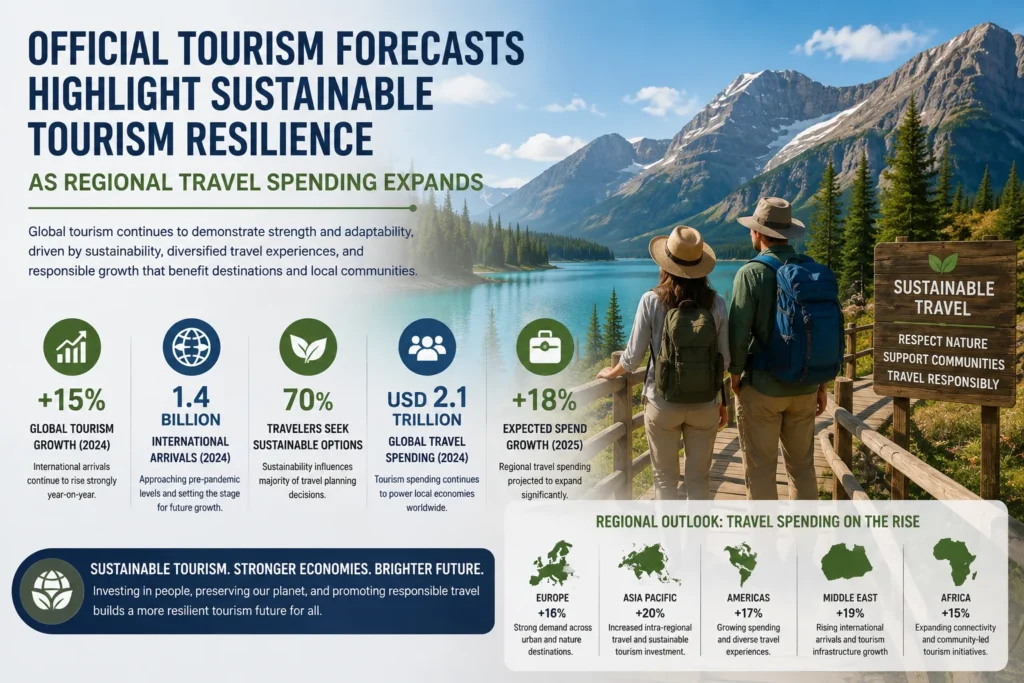
While global operating conditions present ongoing complexity, long-term industry projections released by international travel organizations confirm enduring confidence in visitor demand. Official regional economic forecasts indicate that total travel spending across Middle Eastern and African markets is projected to expand by nearly 48 percent between 2025 and 2030. This structural growth trajectory is expected to contribute more than $50 billion in direct economic value to regional destinations, outpacing broader gross domestic product growth rates across major markets.
Sustained Long-Term Growth Projections Drive Regional Travel Spending
The projected influx of travel spending underscores a fundamental market trend: global consumer appetite for international exploration remains exceptionally strong, though traveler preferences have evolved significantly. Modern visitors are increasingly prioritizing booking flexibility, hyper-local authentic experiences, and clear value proposition over traditional mass tourism offerings.
For municipal tourism boards and private hospitality operators, this shift provides a clear strategic opportunity to deliver customized visitor itineraries and deeper cultural engagement. Tourism providers capable of anticipating changing consumer expectations with operational agility are establishing greater brand trust, driving higher return visitor rates, and securing competitive advantage across international travel corridors.
Official data compiled by international aviation and tourism metrics partners confirm that destinations equipped with established infrastructure, multi-modal transport connectivity, and diversified source markets recover far more rapidly when traveler sentiment rebounds. Sustained capital investment in both tangible physical assets and progressive regulatory policies serves as a primary catalyst for long-term destination competitiveness.
Strategic Infrastructure Investment and Visitor Confidence
Building international traveler confidence remains the cornerstone of modern destination management. Government tourism ministries across major economic corridors are expanding public investment in transport infrastructure, airport modernization, border facilitation, and digital visitor support systems to optimize accessibility and safety standards.
Key initiatives driving destination appeal include:
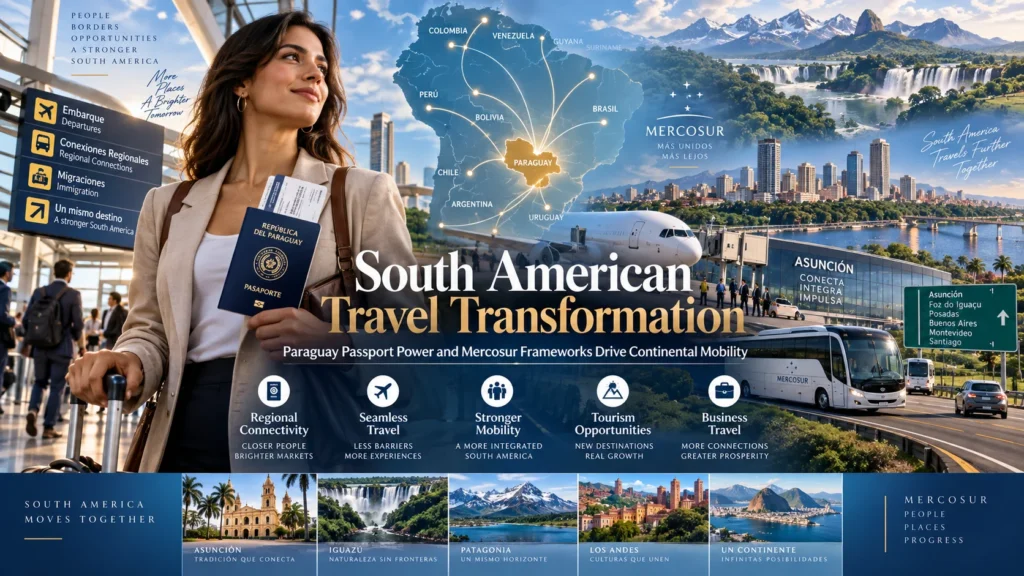
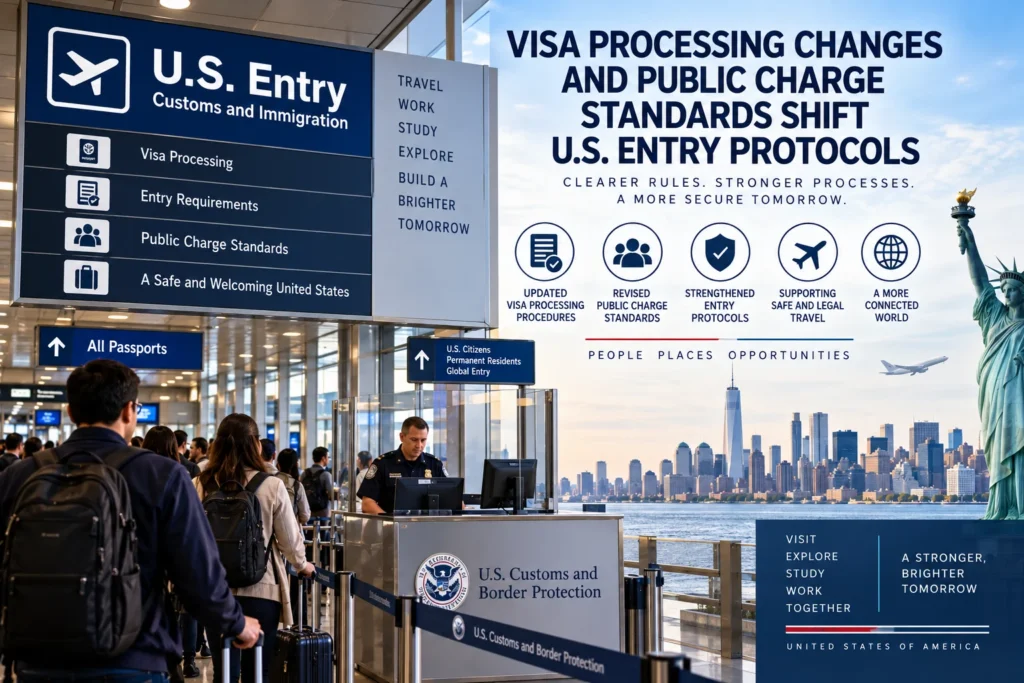
Multi-Destination Facilitation: Streamlined entry protocols and regional unified visa systems designed to simplify cross-border transit and extend visitor length of stay.
Transit Infrastructure Upgrades: Expansion of high-speed rail networks, modern cruise terminals, and expanded international airport capacity connecting primary urban hubs to emerging eco-tourism reserves.
Cultural and Heritage Conservation: Strategic public funding allocated to restore historical sites, protect natural marine reserves, and develop authentic community-led tourism projects.
By establishing a reliable and high-performing infrastructure baseline, public tourism bodies ensure that local hospitality ecosystems remain resilient against broader macroeconomic fluctuations.
Technological Innovation and Hyper-Personalized Visitor Experiences
Alongside physical infrastructure expansion, digital innovation has emerged as a primary engine driving global tourism resilience. National destination marketing organizations and private travel enterprises are deploying artificial intelligence, predictive analytics, and automated cloud infrastructure to streamline operations and enhance visitor satisfaction.
Advanced digital tools allow destination managers to analyze real-time mobility patterns, optimize seasonal capacity at sensitive heritage sites, and deliver personalized itineraries directly to mobile devices. Predictive analytics further enable airline dispatchers and hotel operators to align inventory with shifting booking windows, ensuring operational efficiency during demand surges.
By embedding digital services across every touchpoint of the travel journey—from visa applications and flight check-ins to digital concierge services and automated claims processing—the tourism sector is establishing a frictionless environment that reinforces traveler trust and operational flexibility.
Ecosystem Collaboration and Multi-Lateral Tourism Partnerships
Achieving long-term destination resilience requires synchronized collaboration across the entire global travel ecosystem. National governments, municipal authorities, commercial airlines, hotel chains, and technology vendors share a joint responsibility to align safety standards, exchange market intelligence, and co-invest in sustainable practices.
International industry assemblies, such as the upcoming Arabian Travel Market, serve as vital institutional platforms where public policymakers, private investors, and industry executives convene to address emerging challenges. These forums facilitate cross-border dialogue, accelerate public-private partnerships, and establish standardized protocols for crisis management, environmental stewardship, and digital integration.
As the international travel landscape navigates geopolitical and economic shifts, structured industry collaboration ensures that knowledge sharing leads to actionable policy improvements. By uniting leaders around shared sustainability goals, multi-lateral travel networks are building a safer, more adaptable, and highly resilient global tourism economy capable of supporting steady growth for decades to come.
For more travel news like this, keep reading Global Travel Wire