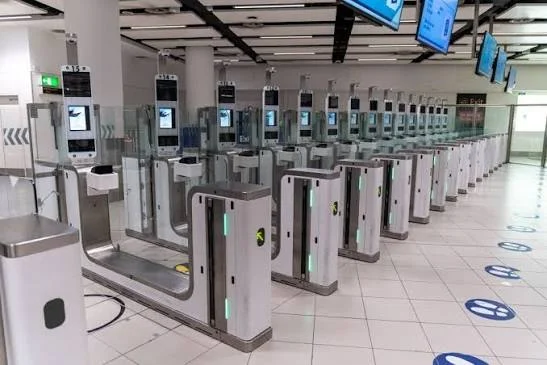
Digital arrival declarations are changing travel across Oceania, with New Zealand, Papua New Guinea and Palau already operating electronic systems. Australia is preparing a wider rollout, but paper passenger cards have not disappeared across the region.
The transition moves some immigration, customs and biosecurity preparation into the period before departure. For travellers, that creates different deadlines, confirmation requirements and procedures depending on their destination.
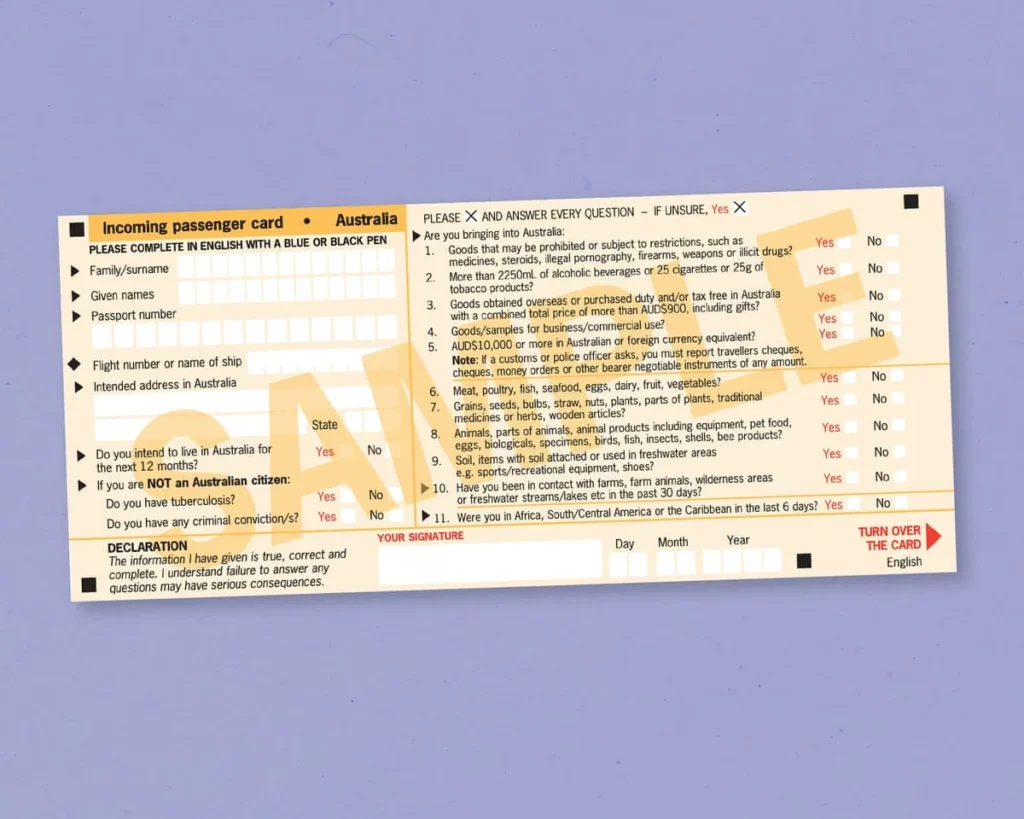
Australia plans to introduce its Australia Travel Declaration at all international airports and seaports before the end of 2027. Meanwhile, its paper Incoming Passenger Card remains relevant for journeys outside the digital pilot. abf.gov.au
The practical message is straightforward: passengers cannot assume neighbouring countries follow the same arrival process.
New Zealand Connects Declarations With Passports
New Zealand’s Traveller Declaration collects travel, immigration, customs and biosecurity information before border processing.
Each traveller needs a declaration, including children and New Zealand passport holders. Air passengers can submit it from 24 hours before starting their journey to New Zealand.
Sea travellers have a different trigger: 24 hours before departing their vessel’s final foreign port.
Travellers can use the declaration website or app. Submitted information connects with their passport, so they normally need no separate QR code or printout.
A paper declaration remains available on arrival when needed. This preserves an alternative for passengers unable to complete the digital process. New Zealand Traveller Declaration
For visitors, the change replaces familiar handwritten preparation with an earlier administrative step while retaining border checks.
Papua New Guinea Requires Advance Completion
Papua New Guinea’s Digital Arrival Card took effect on 1 October 2025.
Its immigration authority subsequently issued a mandatory-completion notice on 6 August 2026. The requirement covers citizens, permanent residents and foreign nationals travelling to the country.
Passengers must submit the declaration within 72 hours before arrival, including the arrival date. Airlines and check-in personnel have been instructed to check completion before issuing boarding passes.
That makes preparation important before reaching the departure airport. The digital card also remains separate from a visa and does not replace applicable entry permission. ICA
For tourism operators, informing customers early can help prevent avoidable confusion during check-in.
Palau Uses an Emailed QR Code
Palau requires travellers to complete its online entry form within 72 hours before departure for the destination.
The process generates a QR code delivered by email for presentation during airport arrival processing. Its online requirement has operated since February 2024.
Unlike New Zealand’s passport-linked approach, Palau’s process therefore requires travellers to retain an accessible confirmation code. palautravel.pw
This difference matters when planning multi-country Pacific holidays. Completing one destination’s declaration does not satisfy another country’s requirements.
Passengers should also distinguish arrival information from other travel documents needed for their itinerary, including transit arrangements.
Australia Is Expanding a Phased System
Australia began its digital declaration pilot in October 2024 through eligible Qantas services.
The government announced A$56.1 million over four years for traveller-processing modernisation in July 2026. Its planned nationwide expansion will extend the system across international airport and seaport arrivals.
More than 450,000 passengers on eligible inbound Qantas flights had trialled the declaration when the expansion announcement was issued.
However, that participation does not mean every international passenger can already replace the paper card. Travellers must establish whether their particular journey qualifies. DAFF
For airlines and tourism businesses, the phased rollout requires clear communication about current eligibility rather than future nationwide coverage.
Fiji and Niue Show a Mixed Transition
The supplied information describes Fiji as developing digital arrival capabilities while continuing to require its Passenger Arrival Card.
Niue illustrates another approach, combining online declarations with physical-card sections covering customs and biosecurity.
These examples show why digital border technology does not necessarily create a completely paperless visitor experience.
Authorities may modernise immigration databases while retaining separate declarations for other border agencies. Travellers should therefore check the precise process for their destination.
Claims that paper arrival cards have vanished throughout the Pacific would overstate the transition described.
Visitor Convenience Depends on Accurate Preparation
Digital systems can reduce handwritten paperwork and give authorities passenger information earlier.
They may also help organise information used for immigration, customs and biosecurity assessment. However, digital submission does not remove the obligation to declare relevant goods accurately.
For holidaymakers, preparation now includes checking submission windows and retaining any required confirmation.
Travel advisors, hotels and tour operators can support guests by communicating destination-specific steps before departure.
The regional shift is real, but implementation remains uneven. A smoother arrival depends on following the system operating for each journey.
For more travel news like this, keep reading Global Travel Wire