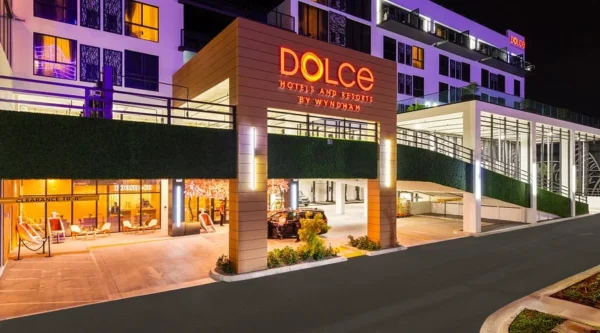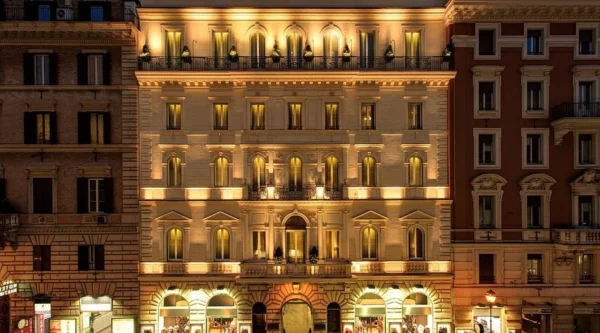
Hotels across Rome, Berlin and other major European destinations are accelerating investment in artificial intelligence, cloud platforms and automated services as tourism demand rises in 2026.
Properties are using digital systems to simplify check-in, coordinate housekeeping, manage room prices and personalize guest communication. Smart-room technology is also helping operators control energy use while responding faster to maintenance requirements.
The transformation is unfolding as Europe’s accommodation sector handles sustained visitor growth. Eurostat recorded 471.1 million overnight stays at European Union tourist accommodation establishments during the first quarter of 2026.
That figure represented a 3.4% increase from the same period in 2025. International guest nights grew by 5.5%, outpacing the 1.7% rise recorded among domestic visitors.
The continued expansion is placing pressure on hotel employees and physical infrastructure. Consequently, technology has shifted from an optional guest amenity into a core operational tool for many accommodation businesses.
European Cities Modernize Hotel Operations
Rome’s historic hotel market illustrates the challenges surrounding digital transformation. Many properties operate inside older buildings where extensive structural modifications may be difficult or restricted.
Cloud-based property management systems and wireless devices offer a practical solution. Hotels can modernize booking, housekeeping and guest-service functions without making substantial changes to heritage structures.
Berlin’s competitive accommodation market is also suited to integrated digital operations. Automated revenue-management tools can help hotels respond to changing demand generated by exhibitions, conferences, cultural events and seasonal leisure travel.
Meanwhile, hotels in Paris are linking smart-room controls with sustainability goals. Occupancy sensors can adjust heating, ventilation, lighting and air conditioning when guests enter or leave their rooms.
London properties are increasingly focused on mobile-first guest journeys. Digital registration, contactless payments and smartphone room access can reduce pressure around reception areas during busy arrival periods.
Although adoption levels differ by property, the direction is consistent. Hotels are connecting previously separate operations through centralized digital platforms.
AI Supports Personalized Guest Experiences
Artificial intelligence allows hotels to analyze reservation information and respond more efficiently to guest requests.
Before arrival, an automated system may collect preferences covering room location, bedding, temperature or dietary requirements. During the stay, multilingual virtual assistants can answer routine questions or help arrange restaurant reservations and local transport.
These tools can be especially useful in destinations welcoming visitors from numerous language markets. Faster communication may improve confidence among international guests navigating an unfamiliar city.
However, automation does not remove the need for employees. Instead, it can reduce repetitive administrative tasks and give staff more time for personal service, problem-solving and destination recommendations.
The most effective smart hotels are likely to combine digital convenience with human hospitality. Travelers may want fast mobile check-in after a long journey, yet still value assistance when plans change or complex needs arise.
Connected Systems Improve Hotel Workflows
Modern property management platforms can connect reception, housekeeping, maintenance and food services through a shared digital environment.
When a guest checks out electronically, the housekeeping team can receive an immediate update. Once the room is ready, the front desk can view its status without relying on telephone calls or paper records.
Internet-connected sensors can also identify irregular energy consumption, plumbing problems or malfunctioning equipment. Maintenance teams may receive alerts before a technical issue seriously affects the guest experience.
Automated pricing tools provide another important capability. Hotels can adjust room rates according to booking demand, local events and available inventory, helping properties respond to rapidly changing urban markets.
Direct booking systems may also support stronger relationships between hotels and guests. Properties can present relevant packages, retain control of customer communication and reduce dependence on external distribution channels.
European Policy Encourages Digital Tourism
The European Commission’s Transition Pathway for Tourism identifies digitalization as central to building a more competitive, sustainable and resilient tourism economy.
Its framework includes 27 areas of action covering the green and digital transition. Work on a common European tourism data space could also help destinations and tourism businesses share information more effectively.
The EU’s Digital Decade agenda aims to expand business use of artificial intelligence, cloud technology and data analytics. European Digital Innovation Hubs help companies assess their digital maturity and access technical guidance.
These initiatives carry particular value for independent hotels and tourism enterprises that may lack the resources available to international chains.
At the same time, digital expansion increases responsibility. Hotels process identity documents, payment information and detailed guest preferences. They must therefore maintain strong cybersecurity, transparent data practices and compliance with European privacy rules.
Smart Hotels Support Sustainable Destinations
Hotel technology can also contribute to destination management. Aggregated and anonymized accommodation data may help authorities understand visitor flows, monitor busy periods and encourage travel beyond crowded central districts.
Smart energy systems can reduce consumption in unoccupied rooms, supporting both environmental targets and hotel cost control. Digital tools may also improve waste monitoring and resource planning.
However, investment in equipment alone will not guarantee better results. Employees need training to operate new platforms, interpret data and assist guests when automated systems fail.
As European tourism continues growing, digitally capable hotels will become increasingly important to destination competitiveness. Rome, Berlin and other leading cities must accommodate rising visitor volumes while protecting heritage, resources and service quality.
AI, cloud platforms and connected-room systems offer practical ways to manage that balance. Hotels that deploy them securely and preserve authentic personal service could define Europe’s next era of hospitality.
For more travel news like this, keep reading Global Travel Wire