International travelers mapping out upcoming journeys to Southeast Asia can look forward to a dramatically streamlined airport experience. In a sweeping move to modernize border control, Malaysia’s Ministry of Home Affairs and the Immigration Department are finalizing the nationwide deployment of a state-of-the-art digital border clearance infrastructure. Scheduled for full implementation by September 2026, this technology-driven upgrade is designed to significantly minimize passenger bottlenecks at major international entry checkpoints.
At the heart of this comprehensive migration is the National Integrated Immigration System, known officially as MyNIISe. According to official ministry statements, the new system leverages next-generation facial recognition software, high-speed automated e-gates, and digital authentication platforms. Once fully operational, the system is expected to slash passenger processing times down to a lightning-fast four to five seconds per traveler, signaling a definitive end to the lengthy queues that frequently present challenges during peak holiday periods.
Upgrading Legacy Frameworks for Modern Travel Demands
The nationwide activation of MyNIISe represents a long-awaited digital evolution for Malaysia’s border management infrastructure. The incoming platform is slated to systematically replace the legacy Malaysian Immigration Integrated Management System (MyIMMs), which has actively anchored the country’s border checkpoints for over two decades. Home Ministry updates indicate that the legacy network is no longer structurally sufficient to navigate modern security complexities, evolving identification risks, and the massive post-pandemic resurgence in global passenger traffic.
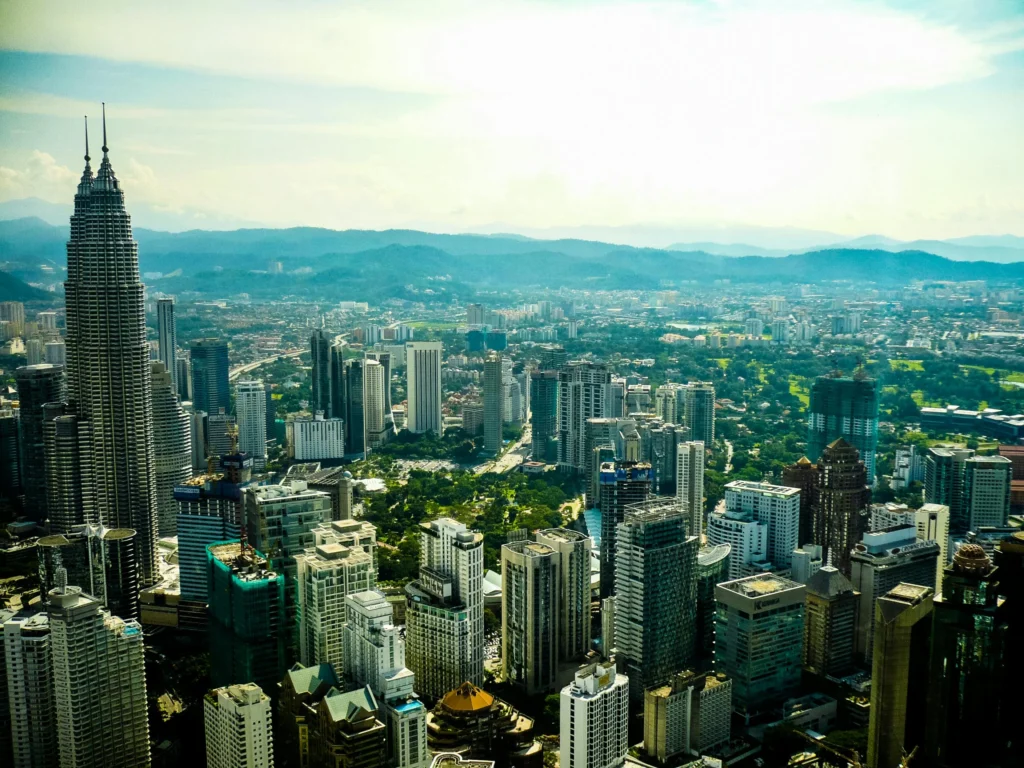
To bridge the operational gap ahead of the official September launch, authorities have been testing backend upgrades and deploying interim digital platforms at selected entry points to manage data migration securely. The government is heavily prioritizing high operational readiness, noting that during the first quarter of the year alone, more than 4.6 million international travelers cleared immigration barriers at Kuala Lumpur International Airport (KLIA) Terminals 1 and 2.
By injecting substantial financial resources into the MyNIISe integration, the state is completely revamping the processing infrastructure across 125 international gateways, including all key aviation hubs, seaports, and overland checkpoints. Holidaymakers arriving at prominent tourist entry points—such as Penang International Airport, Langkawi International Airport, Kuching International Airport, and Kota Kinabalu International Airport—will soon experience a highly uniform, automated clearance framework.
Enhancing Airport Clearance and Visitor Mobility
The deployment of advanced Malaysia immigration biometrics directly complements the country’s aggressive tourism promotional campaigns, such as the upcoming Visit Malaysia Year. Tourism board statistics reveal a major spike in arrival data, particularly from booming outbound markets like India. Thousands of leisure seekers, business executives, students, and wellness tourists journey from Indian metropolises to hotspots like Kuala Lumpur and Penang every single month, often navigating peak-season airport congestion.
The arrival of the five-second MyNIISe verification standard aims to eliminate these persistent transit pain points, transforming how inbound vacationers transition from the aircraft cabin to their final holiday destinations. For international passengers, the benefits of the fully automated system include:
Considerably faster airport exit protocols immediately following long-haul flights.
Reduced floor-space crowding around traditional manual immigration counters.
Widespread availability of cutting-edge automated e-gates equipped with biometric scanners.
A completely integrated, touchless, and highly secure digital travel architecture.
While the system prioritizes maximum convenience for short-haul sightseers and corporate guests, Home Ministry officials have explicitly stressed that automated velocity will not compromise national security. The advanced database framework links passport validation, biometric records, and visa profiles in real-time, allowing security personnel to enforce systematic risk profiling and intelligence-led screening to target high-risk flyers while legitimate vacationers pass through unhindered.
Navigating the Future Contactless Arrival Procedures
To guarantee a flawless transition when the nationwide biometrics infrastructure goes completely live later this year, the Immigration Department is progressively updating its traveler-facing guidelines. A comprehensive mobile application has already entered phased testing channels, designed to allow foreign nationals to complete digital registrations and manage document data securely prior to boarding their flights.
As the deployment timeline nears completion, incoming vacationers are encouraged to align with modern border standards. Travelers should verify that their machine-readable passports are in pristine physical condition, as warped covers or scratched data pages can disrupt automated biometric validation.
Additionally, passengers should continue to pre-submit their digital arrival records online through official government portals. By keeping return tickets and accommodation data organized, visitors ensure they are fully prepared for the updated digital screening checkpoints. As nations worldwide shift toward smart borders, Malaysia’s forward-thinking investment ensures that exploring the natural wonders and diverse cultural landscapes of the country remains a frictionless, world-class experience.
For more travel news like this, keep reading Global Travel Wire