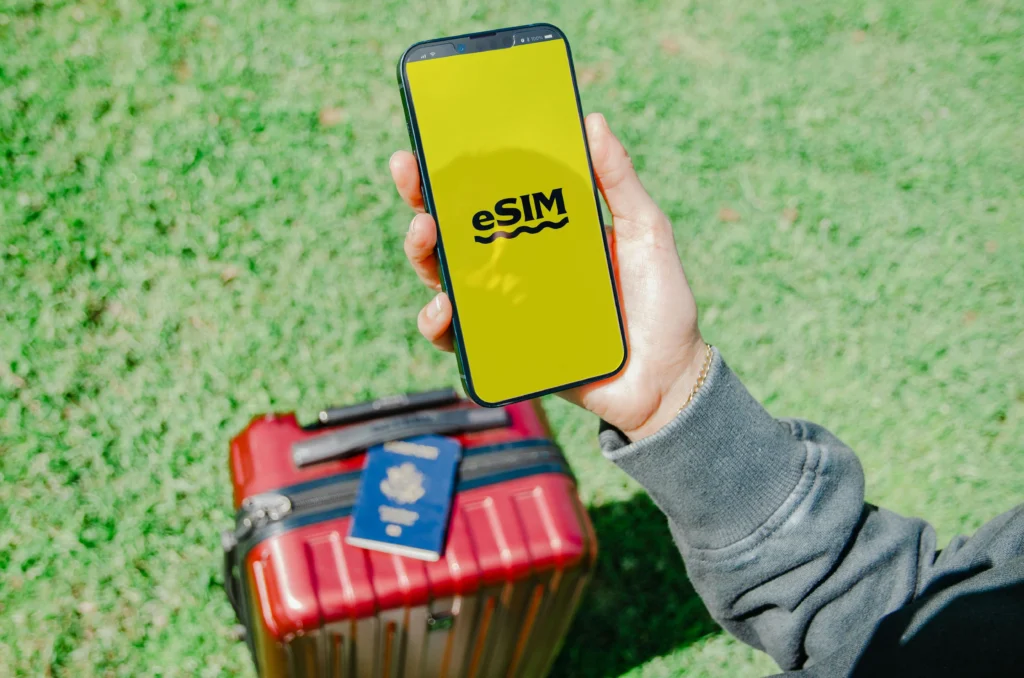
The landscape of international tourism and corporate travel is undergoing a massive technological shift, rooted firmly in the consumer demand for continuous, instant communication. Official communications infrastructure data indicates that the global travel embedded SIM (eSIM) sector is experiencing a monumental surge, rapidly replacing traditional physical SIM cards as the definitive standard for international wandering. According to comprehensive telecom industrial reviews, the travel eSIM market is entering a multi-year compounding growth phase, driven heavily by the global rise of digital nomads, remote corporate professionals, and leisure sightseers seeking affordable cross-border data solutions.
By eliminating the manual hassle of sourcing local plastic SIM cards upon arrival at international airport terminals, this cloud-based technology allows travelers to download and activate cellular profiles completely over-the-air. As international tourist arrivals reach record highs, national tourism boards and digital infrastructure ministries are highlighting seamless data access as a vital component of the modern guest experience, making advanced telecom infrastructure a key driver of contemporary destination choice.
North American Innovation Leads the Tech Transition
North America currently commands the largest regional footprint in the digital roaming marketplace, holding a substantial 32 percent share of global operations. This dominance is heavily supported by advanced 5G network deployments, high smartphone penetration rates, and a massive volume of international outbound business and leisure travel originating from the United States and Canada.
Government telecommunications registries highlight a wave of sophisticated service launches designed to streamline cross-border connectivity. Major providers have introduced single-installation global data solutions capable of maintaining continuous coverage across more than 165 countries simultaneously, effectively removing the need for country-specific digital profiles.
Furthermore, capital injection into the travel tech ecosystem has accelerated, with dedicated venture funds allocating over $100 million specifically to nurture digital-first mobile virtual network operators (MVNOs) and travel connectivity startups. Strategic mergers are also embedding cellular connectivity capabilities directly into online travel agency platforms, allowing international vacationers to bundle their flight and hotel bookings with instant, automated data plans that activate automatically the moment their aircraft lands.
Asia-Pacific Emerges as the Fastest-Growing Transit Hub
While North America holds infrastructure maturity, the Asia-Pacific region is officially projected to register the fastest growth rate in the travel connectivity sector over the coming decade. Driven by a massive resurgence in inbound regional tourism, countries like Japan, Australia, India, and China are aggressively integrating digital telecom solutions into their national hospitality frameworks.
In Japan, major wireless infrastructure corporations have partnered with digital distribution networks to create highly integrated travel platforms for foreign visitors. These innovative systems link app-based data activation directly with national digital tax refund services, allowing international holidaymakers to manage their holiday connectivity and shopping incentives through a unified digital interface.
Additionally, regional transportation groups have introduced unlimited 5G travel data packages tailored specifically for overseas tourists utilizing regional rail and bus networks. Backed by extensive nationwide cellular infrastructure, these initiatives ensure that travelers exploring remote cultural villages enjoy the same high-speed connection stability as those navigating busy metropolitan centers.
Hardware Innovation and Individual Travelers Shape the Marketplace
A detailed structural analysis of the industry reveals that the hardware segment remains a primary pillar, commanding a 62 percent market share. This is fueled by the rapid manufacturing integration of embedded SIM chips directly into mainstream consumer devices, including smartphones, tablets, laptops, and advanced wearables. Smartphones alone represent 48 percent of total device utilization, functioning as an indispensable travel companion for real-time translation, digital payment processing, and geographic navigation.
Concurrently, individual leisure tourists represent the dominant end-user demographic, accounting for 65 percent of the consumer base. This segment’s preferences are clear: modern sightseers favor digital provisioning platforms over traditional operator roaming due to clear upfront pricing, the flexibility of short-duration data packages, and the total elimination of unexpected post-vacation roaming charges. Corporate travel managers, making up the remaining 35 percent of the market, are also steadily transitioning their mobile fleets to digital-first architectures to streamline expense tracking and ensure continuous productivity for remote personnel operating abroad.
Shaping the Future of Green and Smart Eco-Tourism
As international tourism bodies place an amplified emphasis on environmental sustainability, the widespread adoption of digital profiles represents an eco-friendly milestone for the travel industry. By transitioning away from physical plastic cards, microscopic chip packaging, and global distribution logistics, the telecom sector is successfully eliminating tons of plastic waste annually, directly supporting global eco-tourism objectives.
Looking toward the horizon, the synchronization of artificial intelligence with remote SIM provisioning will further optimize the international travel experience. Future updates will leverage predictive analytics to automatically switch devices to the strongest, most cost-effective local network as a traveler crosses international borders, guaranteeing an uninterrupted digital experience. Through close cooperation between global network operators, smartphone manufacturers, and international tourism boards, the world is building a highly connected, data-rich travel ecosystem where exploring the globe is completely free from communication barriers.
For more travel news like this, keep reading Global Travel Wire