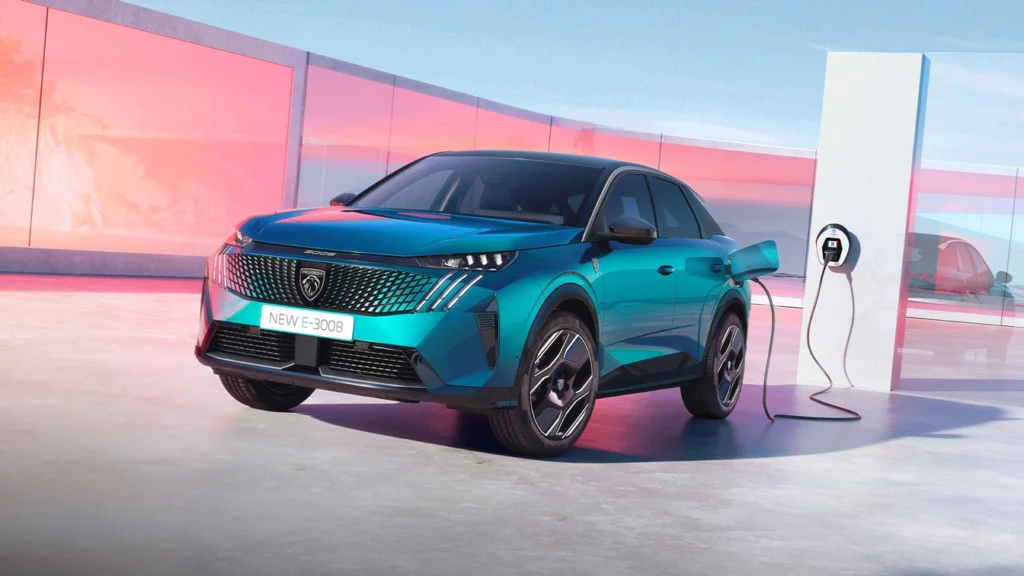
Stellantis is accelerating a major transformation of Europe’s electric vehicle industry through expanded partnerships with Chinese automakers, creating new business corridors, manufacturing routes and sustainable mobility opportunities that could reshape future travel across Europe and beyond. The global automotive giant is increasingly relying on Chinese electric vehicle expertise and production alliances to revitalize underused European factories, strengthen electric vehicle competitiveness and expand international mobility networks.
The strategy reflects a broader shift underway in the global transport economy as Western automakers deepen ties with China’s rapidly advancing electric vehicle sector. Industry analysts say these partnerships are no longer focused solely on manufacturing efficiency. Instead, they are influencing tourism mobility, business travel, logistics flows and the future of sustainable transportation across multiple continents.
As electric vehicle adoption expands globally, the evolving relationship between Stellantis and Chinese partners such as Leapmotor and Dongfeng Motor is becoming one of the automotive industry’s most closely watched developments.
Stellantis Revives European Factories Through Chinese EV Alliances
Across Europe, several Stellantis manufacturing facilities have faced declining production volumes following slower post-pandemic demand recovery and the industry’s difficult transition toward electrification. To reactivate idle capacity and strengthen its electric vehicle portfolio, Stellantis has turned toward strategic cooperation with Chinese EV manufacturers.
One of the company’s most significant moves involves Leapmotor, a Chinese electric vehicle producer now expanding aggressively into European markets through Stellantis-backed distribution and manufacturing systems. Stellantis holds a majority stake in Leapmotor’s international venture, allowing the Chinese brand to access European consumers through established dealership and logistics networks.
Manufacturing plans in Spain are already preparing facilities capable of producing Opel-branded electric SUVs alongside Chinese-designed EV platforms. The shift highlights how European production lines are increasingly becoming integrated into global cross-border mobility systems.
For the travel industry, these developments could influence future rental car fleets, sustainable urban transportation options and electric road-trip infrastructure across Europe.
Chinese Electric Vehicles Expand Across European Roads
The partnership between Stellantis and Leapmotor is also helping Chinese-designed electric vehicles establish a stronger presence on European roads while reducing exposure to rising European Union tariffs on imported Chinese EVs. By shifting production closer to key markets, Stellantis can localize manufacturing and align more effectively with European trade regulations.
This localization strategy is becoming increasingly important as Europe accelerates electric mobility adoption and governments introduce stricter environmental targets tied to transport emissions and sustainable tourism initiatives.
Travelers across Europe are expected to encounter a growing number of Chinese-influenced electric vehicles operating in urban mobility services, airport transportation systems, corporate fleets and tourism-related mobility networks.
The development also reflects how automotive globalization is reshaping the identity of vehicle manufacturing itself. Cars designed in China, assembled in Spain and sold across Europe now represent the new reality of interconnected industrial mobility.
Wuhan Emerges as Global EV Production Hub
Stellantis is simultaneously deepening its relationship with China’s state-owned Dongfeng Motor through an expanded joint venture centered in Wuhan. Beginning in 2027, the partnership plans to manufacture Peugeot and Jeep electric vehicles for both domestic Chinese markets and international export destinations, including Europe.
The project reportedly involves investment exceeding 8 billion yuan and positions Wuhan as a critical international production hub within the future electric mobility economy.
For global transportation and tourism industries, the expansion illustrates how Asia-based manufacturing centers are becoming increasingly integrated into international vehicle supply chains that support passenger mobility across Europe, North America and Asia-Pacific.
Industry experts believe these developments could eventually influence everything from tourism transportation fleets and ride-sharing systems to long-distance electric highway travel across major international destinations.
Trade Policies and Tariffs Reshape Automotive Mobility
Trade regulations and geopolitical tensions are playing a major role in shaping Stellantis’s evolving strategy. European Union tariffs on Chinese electric vehicles have encouraged the company to shift toward local European production of Chinese-designed models rather than relying entirely on imports.
At the same time, North America remains a more complex market. Tariff barriers in the United States continue limiting direct Chinese EV expansion, complicating efforts to replicate European partnership models across American manufacturing operations.
Canada has emerged as a possible alternative location for future production cooperation, particularly involving underused automotive facilities. However, labor organizations have expressed concern that assembly-focused partnerships relying heavily on imported components may not provide the same long-term economic benefits as deeper domestic manufacturing investment.
The debate highlights how global mobility industries increasingly intersect with national economic priorities, labor markets and political strategy.
Sustainable Mobility and Travel Networks Continue Expanding
The growing collaboration between Western automakers and Chinese EV companies reflects a larger global transition toward sustainable transportation infrastructure. Chinese manufacturers have rapidly gained competitive advantages in battery technology, production efficiency and large-scale electric vehicle deployment, pressuring traditional automotive companies to adapt more quickly.
For travelers, the result may be a new generation of electric transportation options operating across highways, cities and tourism destinations worldwide. Electric vehicles developed through multinational cooperation are expected to become increasingly common within airport rental fleets, hotel transport services, urban transit systems and intercity travel networks.
Tourism boards and transportation planners across Europe are also prioritizing sustainable mobility as part of broader environmental and climate goals tied to future tourism development.
The Future of Mobility Becomes Increasingly Globalized
Stellantis’s expanding partnerships with Chinese automakers underline a major transformation underway in the global transportation economy. Vehicles are no longer defined solely by national manufacturing identity but increasingly represent multinational cooperation involving design, technology, production and distribution across continents.
As electric mobility continues reshaping transportation infrastructure, these alliances are expected to influence not only the automotive industry but also tourism, business travel and urban mobility systems worldwide.
For consumers and travelers alike, the future of mobility may soon involve vehicles designed in China, assembled in Europe and operating seamlessly across international travel corridors in an increasingly interconnected global transportation landscape.
For more travel news like this, keep reading Global Travel Wire