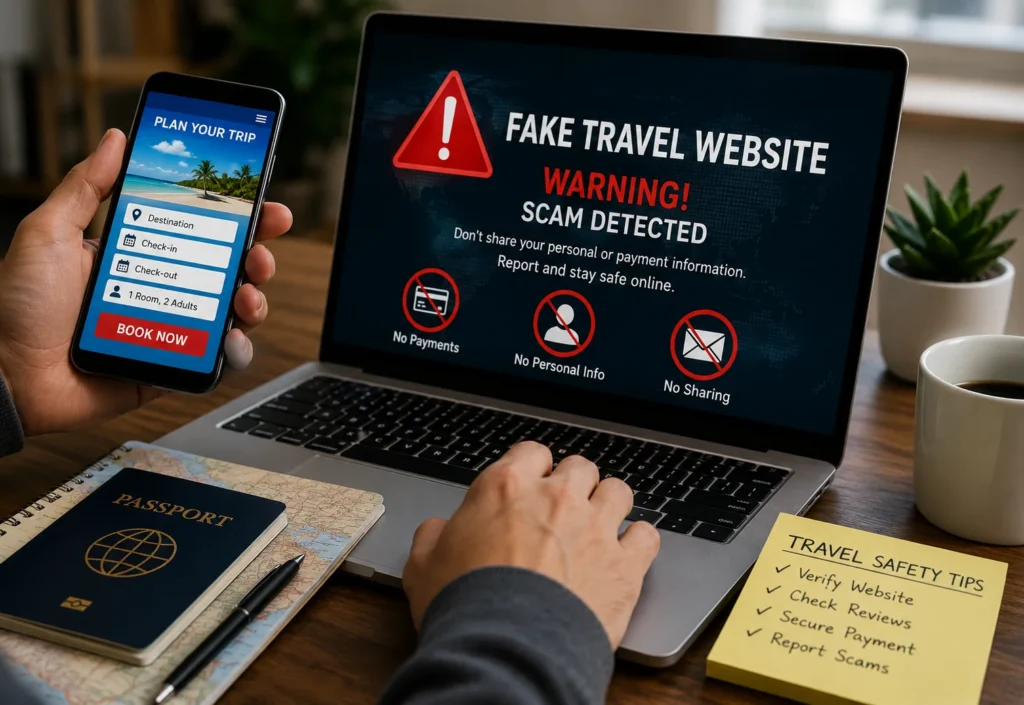
As international travel activity remains heavily sustained, cybercriminals have aggressively adjusted their strategies to exploit high-volume holiday bookings. A sharp rise in fraudulent digital activity has emerged across regional networks, with identity security specialists reporting a staggering 76% year-on-year surge in visa and passport-related document fraud. These sophisticated operations systematically target vulnerable consumers by impersonating official government agencies, heavily disrupting travel itineraries before vacations even cross state or national borders.
According to public alerts from identity security agencies, these digital operations rely heavily on spoofed domains that closely copy legitimate administrative hubs. By paying a high premium to secure top placement within sponsored web engine search results, these deceptive domains easily mislead users who are searching for official entry waivers, consular services, or passport renewal portals. Once a user enters the platform, the backend systems harvest sensitive biometric records, personal identification data, and financial credentials, exposing travelers to extreme identity theft and subsequent financial depletion.
Digital Underworld Drives Severe Financial Disruptions
The widespread impact of these digital traps is fully visible in recent enforcement metrics. The National Anti-Scam Centre (NASC) issued a public warning detailing the massive financial damage caused by deceptive web environments. Official quarterly data published by Scamwatch reveals that fraudulent operations initiated through online contact channels—including cloned portals, malicious search advertisements, social media campaigns, and compromised mobile platforms—accounted for approximately half of all recorded consumer losses.
During the first three months of 2026, Scamwatch reports documented a massive $38.3 million lost exclusively to these online contact methods. In response to this high volume of criminal activity, the National Anti-Scam Centre successfully coordinated the takedown of 5,834 individual scam websites during the same three-month window, alongside referring hundreds of fraudulent digital advertisements and social media profiles to global platform operators for immediate removal. Despite these aggressive interception efforts, new deceptive domains continue to appear, underscoring the vital need for travelers to practice strict digital travel safety habits.
Exploitative Tactics Target Extended Travel Processes
The operational methods used by these illicit syndicates extend far beyond the initial phase of credit card theft. Fraudulent platforms are intentionally designed to delay the discovery of the scam, often keeping victims engaged for weeks under the pretense of administrative processing delays. In many documented cases, international travelers have found themselves forced to repeatedly push back their flight dates and rearrange accommodation bookings while waiting for physical travel documents that do not exist.
Furthermore, criminals behind these copycat portals frequently call victims late at night under the guise of official embassy or consular personnel. Using high-pressure tactics, they demand additional high-resolution copies of birth certificates, driver’s licenses, and current identification papers to clear supposed “processing errors.” It is often only when desperate travelers physically present themselves at an official embassy or consulate office that they discover they have been communicating exclusively with fraudsters, completely upending their long-planned holiday schedules and family visits.
Official Verification Protocols Established by Public Authorities
To counter the growing volume of deceptive platforms, federal immigration departments and consular networks have established direct authentication protocols. Public safety officials advise all citizens and international visitors to implement a strict three-tier protection framework before committing any financial or personal data online:
Stop: Take an intentional pause before providing any sensitive identity data or payment information to a web interface. Deceptive platforms routinely create an artificial sense of urgency to force travelers into making rapid, unverified financial transactions.
Check: Cross-reference the exact structure of the website domain. True sovereign government websites consistently utilize specific, protected domains, such as the standard (.gov.au) designation for Australian public services or (.gov.uk) for British administrative hubs. Official passport applications must only be filed through verified state channels or authorized public post offices.
Protect: Travelers should systematically consult official platforms, such as the Australian Government’s Smartraveller portal, to verify precise exit, entry, and visa requirements for any target destination. Official government profiles maintain direct, secure web links to legitimate visa processing entities for each country worldwide.
Immediate Mitigation Steps for Impacted Individuals
If a traveler realizes they have accidentally provided data or sent funds to an unverified portal, immediate defensive measures must be taken. The National Anti-Scam Centre states that the first point of contact must be the traveler’s financial institution to stop pending transfers, freeze compromised cards, and request formal chargeback investigations.
Following immediate bank notification, the incident should be officially logged through federal digital tracking channels, including ReportCyber and the main Scamwatch reporting database, regardless of whether a direct financial loss occurred. These individual reports provide the critical telemetry that federal task forces require to map criminal infrastructure, track active money laundering networks, and successfully execute rapid domain takedowns. By following these strict validation rules, global travelers can successfully protect their private information, secure their travel budgets, and ensure their holiday plans remain completely uncompromised.
For more travel news like this, keep reading Global Travel Wire