The structural dynamics governing the international transport network are experiencing a period of intense operational vetting as municipal host cities prepare to handle unprecedented passenger movements. According to formal consular circulars published by national bureaus of consular affairs, network planning divisions are balancing high-capacity passenger demands against strict boundary security frameworks. This intersection is particularly visible for international business professionals and commercial entities operating within the global B2B travel distribution ecosystem, where unexpected individual border adjustments highlight the complex administrative rules governing short-term visitor entries.
Official nonimmigrant visa processing guidelines distributed via federal diplomatic channels confirm that securing authenticated event credentials or holding active match tickets does not alter or supersede standard entry requirements. Under established immigration codes, particularly Section 214(b) of the Immigration and Nationality Act, every applicant seeking short-term entry is legally presumed to hold immigrant intent. The absolute burden of proof remains entirely on the individual to demonstrate deep socioeconomic, residential, and corporate ties to their home country, ensuring a verified intent to exit the host zone upon the conclusion of their stated holiday itinerary.
Deconstructing Corporate Complexity: Blockchain Operations and Consular Assessment
A significant dimension of the modern visitor screening process involves assessing the occupational profiles and financial architectures of independent global travelers. In an increasingly digitalized commercial market, the rise of remote web-based corporations, cross-border cryptographic platforms, and decentralized digital assets has introduced highly complex verification parameters for consular review teams.
Public border protection briefs indicate that traditional markers of travel compliance—such as holding an expansive history of crossing international frontiers, active status within the Schengen information network, or previous valid visas to the United Kingdom—no longer serve as a singular guarantee for entry approval. During standard in-person evaluations, processing officers must look past standard liquid banking balances to verify the physical source, regulatory standing, and legal registration path of an applicant’s primary business interests.
Entities registered inside secondary European operational jurisdictions, such as localized digital asset frameworks or virtual corporate hubs in the Baltic zones, face extensive review. If a consular investigator cannot definitively reconcile a remote business module with long-term, stable ties to the applicant’s primary country of permanent residence, standard regulatory rules compel a protective documentation refusal, protecting domestic financial networks from unresolved corporate parameters.
The Operational Framework of Priority Appointment Systems
To manage the heavy influx of international spectator bookings without causing a total collapse of standard consular scheduling queues, global football authorities and host nation state departments have jointly deployed targeted scheduling infrastructure. The primary operational channel driving this mitigation strategy is the FIFA Priority Appointment Scheduling System, known globally as the FIFA PASS framework.
According to technical specifications published by the central organizing committee, this voluntary, opt-in mechanism acts as a parallel digital bridge alongside standard visa applications. The system allows verified, direct-purchase ticket holders to bypass standard multi-month scheduling backlogs, with approximately 80 percent of authenticated users successfully securing an interview allocation within a compressed 60-day window.
However, organizational developers stress that the priority network functions exclusively as an appointment expediter. It does not alter the underlying legal criteria of the interview, exercise any influence over the decision-making panel, or shield applicants from deep background evaluations. Furthermore, under established federal proclamation rules, specific national security restrictions remain fully active at all ports of entry, meaning fans originating from territories subject to active travel bans remain ineligible for entry privileges, irrespective of their tournament ticket status.
Downstream Impacts on Travel Management and Corporate Flight Schedulers
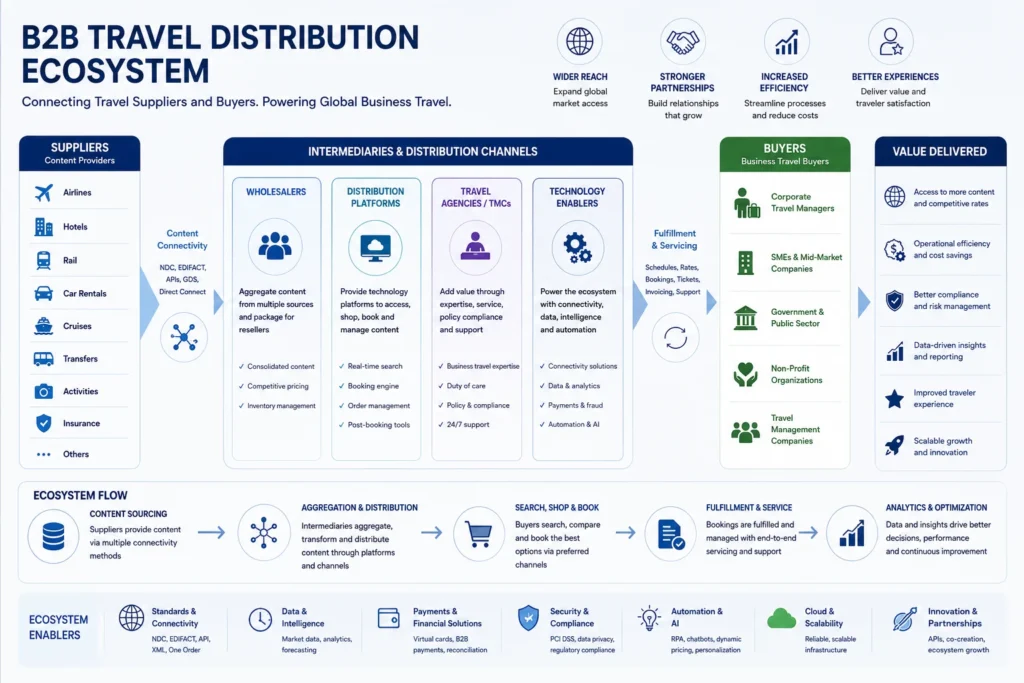
For corporate destination management companies and wholesalers anchoring the B2B travel distribution ecosystem, these strict administrative barriers present substantial logistical risks. When high-value commercial travelers or leisure clients experience short-notice entry refusals, the resulting cancellations create immediate friction across downstream hospitality supply chains.
Aviation data outlines that unexpected entry blocks trigger costly booking modifications, last-minute aircraft seat reallocations, and severe financial losses on non-refundable ground arrangements. Because consular decisions are legally protected under the doctrine of consular nonreviewability, these outcomes cannot be appealed or modified by travel management groups. Consequently, corporate tour operators are systematically restructuring their booking models, requiring international travelers to secure valid entry permissions before completing high-tariff hospitality purchases or locking in complex multi-city flight itineraries.
Actionable Structural Guidelines for Cross-Border Commuters
As regional airport terminals and consular hubs maximize operations to navigate this historic high-volume travel phase, international visitors must implement precise, highly organized documentation habits to safeguard their itineraries:
Apply Exclusively Within Your Home Territory: Complete all registration and interview steps within your specific country of nationality or permanent residence, adhering to recent state department mandates that restrict third-country processing.
Align Digital Application Data Precisely: Ensure every line of text entered across online biometric forms matches your registered corporate data and passport bio-pages exactly, eliminating inconsistencies that trigger administrative holds.
Provide Physical Proof of Local Ties: Carry concrete, verifiable evidence of physical real estate holdings, active local employment contracts, and deep familial obligations to clearly demonstrate your intent to return home.
Maintain Independent Data Redundancy: Store high-resolution digital copies of your confirmed return transit tickets, accommodation vouchers, and official event credentials within a secured cloud network for quick retrieval during border inspections.
For more travel news like this, keep reading Global Travel Wire