Indian Railways is preparing for a major acceleration of long-distance passenger travel, with hundreds of Mail, Express and Superfast trains expected to operate at up to 130 kmph on suitable routes. The initiative could improve journey times, punctuality and passenger comfort across the national rail network, creating a smoother travel experience for millions of people moving between major cities, regional hubs and tourism destinations.
The proposed expansion is expected to focus on approximately 350 to 400 services using modern Linke Hofmann Busch, or LHB, coaches. These trains would gain speed where track conditions, signaling systems and operational requirements permit. The plan would not create an entirely new category of train. Instead, it would improve the performance of familiar long-distance services used by domestic travelers, families, business passengers and visitors exploring India by rail.
Upgraded Routes Open the Door to Faster Journeys
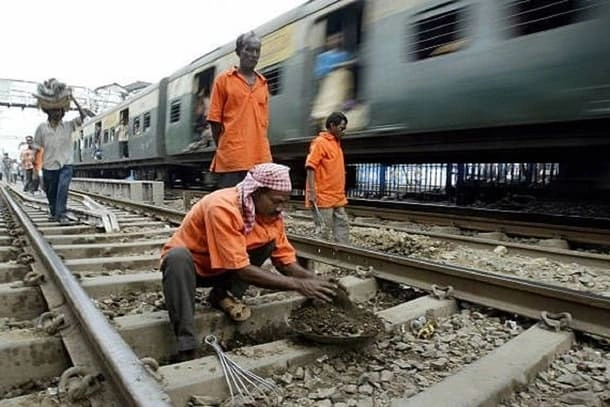
The move builds on infrastructure work already completed across several sections of the network. Indian Railways has strengthened tracks, modernized signaling, expanded electronic interlocking and advanced electrification to support safer and more efficient operations. Railway announcements have already demonstrated how upgraded corridors can allow LHB-operated services to run at 130 kmph.
A timetable review is expected to play a central role. Faster maximum speeds only create meaningful benefits when schedules reflect route conditions, station stops, network congestion and operational priorities. As authorities examine suitable sections, passengers could see practical journey-time reductions on selected long-distance routes without waiting for new trains to be launched.
The initiative could be especially important for travelers planning multi-city itineraries. Rail remains a vital part of the visitor experience in India, linking metropolitan gateways with heritage cities, pilgrimage destinations, coastal regions, hill-country access points and smaller urban centers. More reliable schedules can make it easier to coordinate hotel check-ins, attraction visits, onward transport and regional connections.
LHB Coaches Support a Safer Rail Experience
Modern LHB coaches are expected to remain at the center of the speed enhancement program. Designed for improved ride quality and safer operation, these coaches already serve a growing share of long-distance rail passengers. Their wider deployment has helped bring conventional trains closer to the standards associated with premium services.
For travelers, the value of the program extends beyond headline speed. A faster and more punctual railway can reduce time spent in transit, provide greater predictability during busy travel periods and improve confidence in overnight and intercity journeys. Even moderate timetable improvements could make rail more attractive for passengers comparing trains with flights, buses or private road travel.
Premium services such as Rajdhani, Shatabdi and Vande Bharat have demonstrated the demand for faster intercity mobility. Extending higher permitted speeds to more conventional Mail and Express trains could broaden access to improved rail travel while preserving the wide route coverage that makes these services essential to the national transport system.
Tourism Destinations Could Gain Wider Access
The impact could extend to the tourism economy. Faster connections can encourage weekend travel, support short-break demand and make secondary destinations easier to include in longer itineraries. Hotels, restaurants, local transport providers and attractions may benefit when visitors can reach destinations more conveniently and plan trips with greater certainty.
Railway stations also serve as important gateways for local economies. When journey times improve, cities beyond the largest aviation hubs can become more competitive for domestic tourism, meetings, events and family travel. The benefits may be particularly noticeable on routes where passengers depend heavily on overnight trains or long daytime services.
A Broader Modernization Push
The proposed speed increase fits into Indian Railways’ wider modernization agenda. The network has continued to advance electrification, station redevelopment, modern train introduction and major freight-corridor development. Together, these investments are designed to improve capacity, safety and operational efficiency across passenger and freight services.
Implementation will depend on route readiness, infrastructure standards and final scheduling decisions. However, the direction is clear: conventional long-distance rail travel is moving toward a faster and more reliable future. By enabling more Mail and Express trains to reach 130 kmph on suitable sections, Indian Railways could reshape how millions of passengers travel across the country while strengthening access to destinations and improving the overall visitor journey.
For more travel news like this, keep reading Global Travel Wire