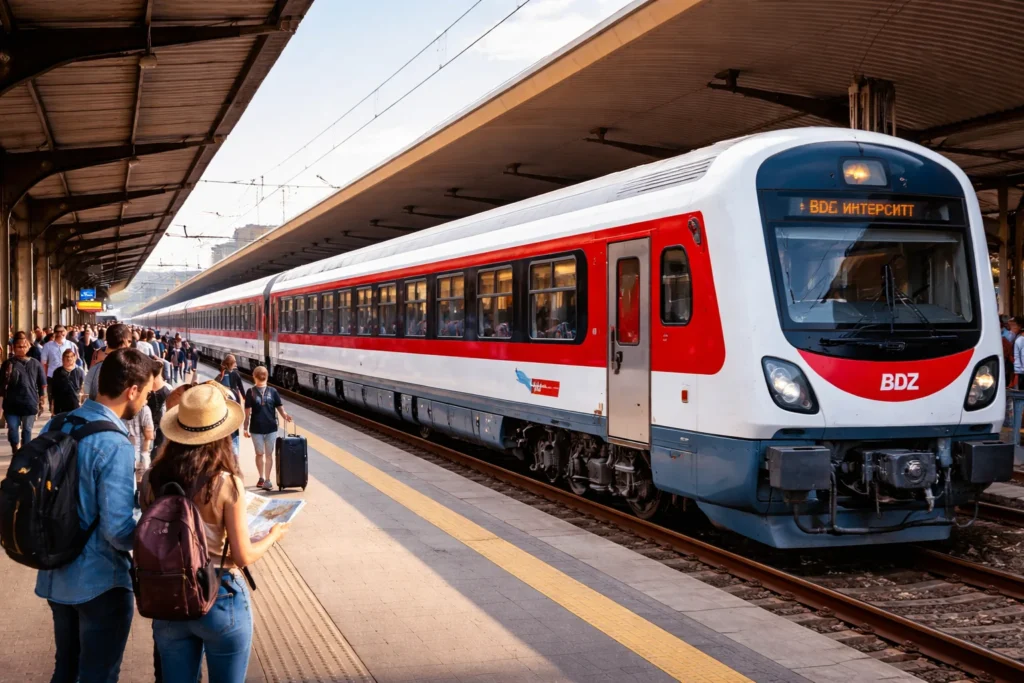
Bulgaria is taking a significant step toward strengthening its tourism infrastructure with a new investment in intercity rail services, aimed at improving passenger comfort and connectivity across the country. Supported by a financing agreement with a European rail funding institution, Bulgarian State Railways is advancing its fleet modernisation programme, aligning with national transport strategies and tourism development goals.
The agreement provides funding of up to €22 million, with an initial tranche already released to support the acquisition of 35 intercity passenger coaches. According to official transport authorities, this investment is part of a broader government-backed effort to upgrade rail services and make train travel a more attractive option for both residents and international visitors.
The newly acquired coaches, sourced from Germany’s national railway system, have undergone extensive refurbishment and modernisation. Each unit is equipped with climate control systems, upgraded interiors, and digital passenger information displays. These enhancements are designed to improve onboard comfort and ensure a more convenient travel experience, which is essential for promoting Bulgaria rail tourism.
Officials from the Ministry of Transport have highlighted that improving rolling stock quality is a key priority in enhancing the overall perception of rail travel. Comfortable seating, reliable climate systems, and clear passenger information contribute to a more enjoyable journey, encouraging tourists to explore multiple destinations within the country.
Each coach offers seating for up to 80 passengers, significantly increasing capacity on key intercity routes. This expansion supports higher passenger volumes, particularly during peak travel seasons when tourism demand is at its highest. By accommodating more travellers efficiently, the railway network can better serve popular destinations while reducing congestion.
The modernisation initiative is closely aligned with Bulgaria’s national tourism strategy, which emphasises improved accessibility and sustainable mobility. Rail transport is widely recognised by government agencies as an environmentally friendly alternative to road travel, contributing to reduced emissions and supporting the country’s climate commitments.
Enhanced rail connectivity plays a crucial role in linking Bulgaria’s diverse tourism regions. From historic cities and cultural landmarks to coastal resorts and mountain retreats, improved intercity services enable visitors to travel more easily and efficiently. This connectivity is expected to boost regional tourism by encouraging longer stays and multi-destination itineraries.
Transport authorities have also noted that modern rail services can strengthen Bulgaria’s position within the European travel network. By offering reliable and comfortable intercity connections, the country becomes more appealing to international tourists seeking seamless travel experiences across borders. This aligns with broader European mobility initiatives aimed at promoting rail as a key mode of transport.
The 10-year repayment structure of the financing agreement reflects a long-term commitment to sustainable infrastructure development. Government officials emphasise that such investments are essential for maintaining high service standards and ensuring the continued growth of the tourism sector. By spreading costs over time, the programme supports ongoing improvements without placing immediate financial strain on public resources.
In addition to enhancing passenger comfort, the new coaches are expected to improve operational efficiency. Modernised rolling stock requires less maintenance and offers greater reliability, reducing the likelihood of service disruptions. For tourists, this translates into more dependable travel schedules and a smoother overall experience.
Tourism boards have consistently highlighted the importance of transport quality in shaping visitor perceptions. A well-functioning rail network not only facilitates movement but also serves as a gateway to exploring the country’s cultural and natural attractions. Investments in modern coaches contribute to creating a positive first impression for visitors arriving by train.
The integration of updated passenger information systems further enhances the travel experience by providing real-time updates and clear guidance. This is particularly beneficial for international tourists who may be unfamiliar with local transport networks. Easy access to information helps reduce travel stress and allows visitors to navigate routes with confidence.
Bulgaria’s commitment to rail modernisation also reflects a broader shift toward sustainable tourism practices. By encouraging the use of trains over private vehicles, the country supports environmentally responsible travel while reducing traffic congestion in popular destinations. This approach aligns with official policies aimed at balancing tourism growth with environmental protection.
As the new intercity coaches are gradually introduced into service, travellers can expect noticeable improvements in comfort, capacity, and reliability. These upgrades are expected to enhance the overall appeal of rail travel, making it a preferred choice for exploring Bulgaria’s rich cultural heritage and scenic landscapes.
With continued investment in infrastructure and rolling stock, Bulgaria rail tourism is poised for steady growth. The modernisation of the railway network not only benefits passengers but also contributes to the country’s economic development by supporting the tourism industry. As transport systems evolve, Bulgaria is positioning itself as a destination that offers both accessibility and sustainability.
The introduction of upgraded intercity coaches marks an important milestone in the country’s journey toward modern, efficient, and tourist-friendly rail services. By prioritising comfort, connectivity, and environmental responsibility, Bulgaria is creating a travel experience that meets the expectations of today’s global travellers while preserving the unique character of its destinations.