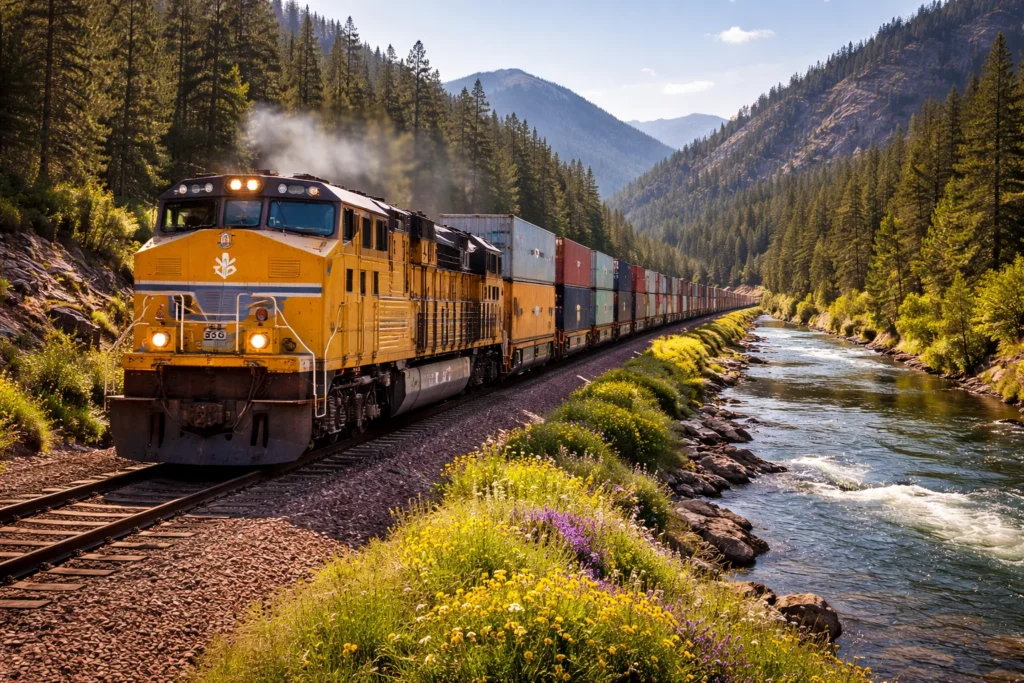
The future of rail tourism and travel infrastructure in the United States received a strong signal after Union Pacific and Rocky Mountain Steel Mills agreed to a seven-year contract for domestic rail production. The long-term agreement highlights the importance of reliable railway supply chains as passenger mobility, freight efficiency, and sustainable transport continue to shape modern tourism.
Although the contract centers on industrial rail supply, its broader relevance extends directly into tourism. Strong rail networks depend on durable track systems, modern infrastructure, and long-term investment. These foundations support scenic train routes, urban mobility, intercity travel, and tourism-led regional development.
As travelers increasingly seek convenient and environmentally conscious transport options, agreements like this help strengthen the systems that make future rail journeys possible.
Why Rail Infrastructure Matters to Tourism
Tourism often focuses on hotels, attractions, and airlines, but transport infrastructure is equally important. Visitors need safe, efficient, and reliable ways to move between destinations. Railways play a major role by connecting cities, airports, national parks, heritage towns, and business hubs.
When track networks are upgraded and maintained with high-quality materials, services become smoother, safer, and more dependable. This improves the visitor experience and encourages greater use of trains for leisure and business travel.
Reliable rail systems can also reduce pressure on roads and airports while helping destinations attract more travelers.
For many regions, transport quality directly influences tourism competitiveness.
A Seven-Year Agreement with Long-Term Impact
The newly announced seven-year supply agreement demonstrates confidence in long-term rail demand. Multi-year contracts are important because they allow infrastructure planning, investment stability, and production certainty.
For rail operators, consistent access to domestically produced steel rails helps support maintenance schedules and expansion projects. For manufacturers, long-term orders create confidence to modernize plants and improve output.
This stability benefits travelers as well. Infrastructure projects often take years to plan and deliver, so dependable supply partnerships can help keep upgrades on track.
Long-term thinking is essential in transport because railways are built to serve generations, not just short-term demand cycles.
Domestic Manufacturing Strengthens Transport Resilience
A key part of the agreement is the focus on domestic production. Strong local supply chains have become increasingly important across global transport industries, especially after recent years highlighted the risks of international disruption.
Producing rail materials closer to where they are needed can reduce delays, improve logistics efficiency, and support faster project delivery.
For tourism, resilient transport systems matter because travelers depend on reliable operations. Unexpected delays in infrastructure projects can slow route openings, fleet expansion, or service improvements.
By strengthening domestic manufacturing, railway systems may be better prepared to maintain performance and invest in future growth.
New Technology Can Improve Rail Performance
The steel mill is expected to produce longer premium rails, which can reduce the number of welds needed on track systems. This may sound technical, but it can have meaningful benefits for rail travel.
Fewer welds can help improve ride quality, lower maintenance needs, and enhance long-term track durability. For passengers, that may contribute to smoother journeys and more reliable services.
Across tourism markets, traveler satisfaction often depends on the quality of the overall journey, not only the destination itself.
Comfortable, dependable rail experiences can encourage more people to choose trains for vacations, weekend breaks, and regional exploration.
Sustainable Transport Gains Momentum
Another important feature of the investment is the use of renewable energy through a dedicated solar facility supporting production. Sustainability is becoming a major priority across tourism and transport, with destinations and travelers seeking lower-impact travel options.
Rail already holds strong appeal as an efficient mode of transport, particularly for medium-distance journeys. When infrastructure materials are also produced with cleaner energy sources, the wider environmental case for rail becomes even stronger.
This aligns with global tourism trends that favor greener mobility, low-emission travel planning, and responsible destination development.
Travelers increasingly notice how they move, not just where they go.
Rail Tourism Opportunities Across the United States
The United States has significant potential for rail tourism growth. Scenic routes, heritage railways, urban transit systems, and intercity corridors all play a role in visitor mobility.
Well-maintained rail infrastructure can support journeys to mountain regions, national parks, coastal cities, cultural centers, and sporting destinations. It can also strengthen airport access and downtown connectivity in major visitor markets.
As cities invest in tourism growth, rail can become an increasingly valuable tool for spreading visitors beyond congested areas and encouraging longer regional trips.
Infrastructure readiness is often the first step toward unlocking these opportunities.
Benefits for Business and Event Travel
Rail systems are equally important for business tourism. Conferences, trade shows, and corporate travel depend on dependable transport between airports, hotels, convention centers, and regional cities.
Efficient rail links can help destinations attract meetings and events by reducing travel time and improving convenience for delegates.
This creates wider economic value through hotel stays, dining, entertainment, and local services.
Strong infrastructure therefore supports both leisure and business travel segments, making railway investment valuable across the tourism economy.
Confidence in the Future of Rail
The agreement also sends a broader message of confidence in the long-term role of rail transport in America. Companies do not commit to multi-year supply partnerships without expecting ongoing demand and future network needs.
That demand may come from freight growth, passenger mobility, urban development, and tourism expansion.
As public and private sectors continue discussing transport modernization, rail remains one of the most practical and scalable solutions for many travel markets.
Its ability to move people and goods efficiently gives it lasting strategic value.
What Travelers Can Expect Ahead
For travelers, deals like this may not make headlines in the same way as new train launches or route openings, but they matter deeply behind the scenes.
Better tracks can support smoother rides, stronger reliability, and future service growth. Domestic production can improve resilience. Cleaner manufacturing can align transport with sustainability goals.
All of these factors contribute to a better travel ecosystem.
A Positive Signal for Tourism Infrastructure
The Union Pacific and Rocky Mountain Steel agreement is more than an industrial contract. It is a reminder that great travel experiences depend on strong foundations.
Tracks, stations, fleets, and supply chains all shape how people move between destinations.
As tourism continues to evolve toward sustainability, convenience, and regional discovery, rail infrastructure will remain a critical driver of growth.
For the United States, continued investment in rail systems could help open the door to a stronger era of rail tourism, smarter mobility, and more connected destinations.