The global tourism recovery is increasingly being shaped by technology, and few companies sit closer to that transformation than Amadeus. As airlines, hotels, and travel agencies accelerate digital modernization, travel technology is becoming one of the strongest forces behind smoother journeys, smarter bookings, and better visitor experiences worldwide.
The renewed momentum in international travel has placed digital platforms at the center of industry growth. From airline reservations and hotel management to data analytics and distribution systems, tourism businesses are relying on advanced technology to manage rising demand and changing traveler expectations.
For the wider travel sector, this signals a powerful shift: the next stage of tourism growth will not be driven only by destinations and airlines, but also by the digital systems that connect them.
Why Travel Tech Matters More Than Ever
Modern tourism depends on seamless coordination. A single international trip may involve flights, hotel reservations, transfers, insurance, airport systems, loyalty programs, and customer service channels. Without strong technology platforms, these moving parts become harder to manage.
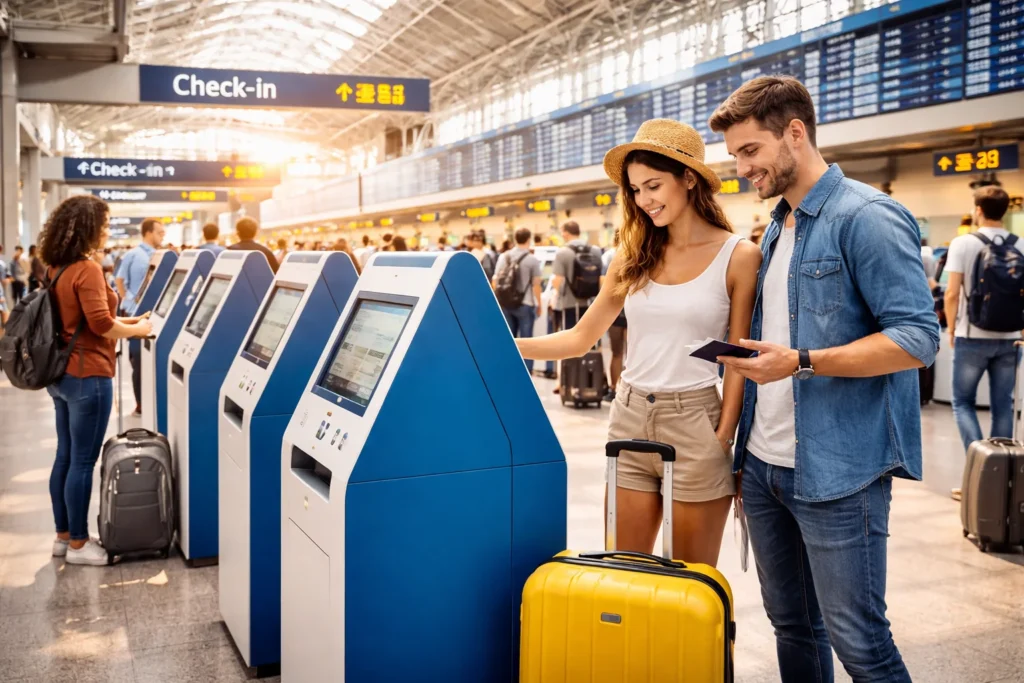
Travel technology helps simplify the journey for both travelers and businesses. It allows instant bookings, real-time inventory updates, mobile check-ins, dynamic pricing, and personalized offers.
For travelers, this means faster planning and fewer friction points. For tourism businesses, it improves efficiency, increases revenue opportunities, and strengthens customer satisfaction.
As global passenger volumes continue rising, the importance of dependable travel tech is only increasing.
A Digital Backbone for Airlines and Hotels
Amadeus is widely recognized for supporting airlines, hospitality companies, and travel sellers through large-scale booking and operational systems. Its platforms help airlines manage reservations, passenger services, scheduling, and revenue tools, while hotel technology supports property management, distribution, and guest insights.
This broad role matters because airlines and hotels are two of tourism’s most essential sectors. When they modernize successfully, the overall travel experience improves.
For example, better airline systems can reduce disruptions and simplify check-in. Smarter hotel systems can improve room allocation, guest communication, and pricing strategies.
The stronger the digital backbone behind these sectors, the smoother tourism can operate at scale.
Global Travel Recovery Supports Demand
The rebound in tourism has created strong conditions for travel technology growth. As more people return to international holidays, business trips, family travel, and long-haul journeys, the volume of bookings and transactions rises.
Every reservation, seat change, hotel night, or itinerary update requires technology support.
This creates natural demand for digital systems that can handle scale while maintaining speed and reliability.
The recovery is especially significant because it is happening across multiple markets at once. Leisure demand remains strong, business travel is recovering, and new travelers are entering the market from emerging economies.
That combination increases the need for flexible and scalable technology solutions.
Airlines Focus on Efficiency and Revenue
Airlines are under constant pressure to maximize efficiency while delivering better customer experiences. Fuel costs, staffing challenges, and operational complexity mean digital tools are increasingly essential.
Technology can help airlines optimize schedules, manage disruptions, personalize offers, and improve yield management. Better data also supports smarter route planning and pricing decisions.
For tourism, stronger airline performance benefits the entire ecosystem. More efficient carriers can expand networks, maintain service quality, and support destination access.
As airlines continue modernizing, travel tech providers remain central partners in that journey.
Hotels Embrace Smarter Guest Experiences
The hospitality sector is also evolving quickly. Travelers increasingly expect mobile check-in, personalized communication, loyalty rewards, and smooth digital experiences before, during, and after a stay.
Hotels are responding by investing in smarter systems that manage operations while improving guest engagement.
Data-driven tools can help hotels understand booking patterns, forecast demand, and tailor promotions to the right audiences. This can raise occupancy and improve profitability.
For guests, the result is often a more convenient and personalized stay.
As accommodation providers compete for travelers, technology has become a major differentiator.
Personalization Is Reshaping Tourism
One of the strongest trends in global tourism is personalization. Travelers no longer want generic experiences. They increasingly expect recommendations and services matched to their preferences, budget, and travel style.
Technology makes this possible by analyzing booking behavior, loyalty data, destination interests, and timing patterns.
This can lead to more relevant flight offers, smarter hotel packages, targeted upgrades, and customized travel suggestions.
For tourism businesses, personalization can increase conversion rates and customer loyalty. For travelers, it creates journeys that feel more intuitive and rewarding.
This shift is likely to remain a major driver of travel tech investment.
Sustainable Tourism Needs Better Data
Sustainability is now a strategic priority across tourism, and technology plays a major role in achieving it.
Airlines and hotels need better data to improve energy use, reduce waste, optimize capacity, and monitor environmental performance. Travel platforms can also help travelers compare options and make more informed choices.
Digital tools support smarter operations, which can lower costs while improving sustainability outcomes.
As destinations and tourism companies work toward climate goals, data-led decision-making will become increasingly important.
Why Investors and Markets Are Watching
Travel technology attracts attention because it combines exposure to tourism growth with the scalability of software. Unlike physical assets such as aircraft or hotels, digital platforms can often grow efficiently as transaction volumes rise.
This creates interest from markets looking for businesses linked to long-term travel demand and digital transformation.
For tourism stakeholders, the larger takeaway is that technology is no longer a support function. It is now a strategic engine of competitiveness.
Companies that invest wisely in digital systems may outperform peers in service quality, efficiency, and resilience.
What Comes Next for Global Tourism
The future of tourism will likely be defined by the intersection of travel demand and intelligent technology. Faster booking systems, AI-driven personalization, seamless payments, integrated loyalty ecosystems, and smarter operations are all becoming standard expectations.
Travelers want convenience. Businesses need efficiency. Destinations seek sustainable growth.
Travel tech sits at the center of all three goals.
As the global tourism recovery continues, digital leaders such as Amadeus represent a wider industry reality: the most successful travel experiences of the future will be powered as much by technology as by the destinations themselves.
For more travel news like this, keep reading Global Travel Wire