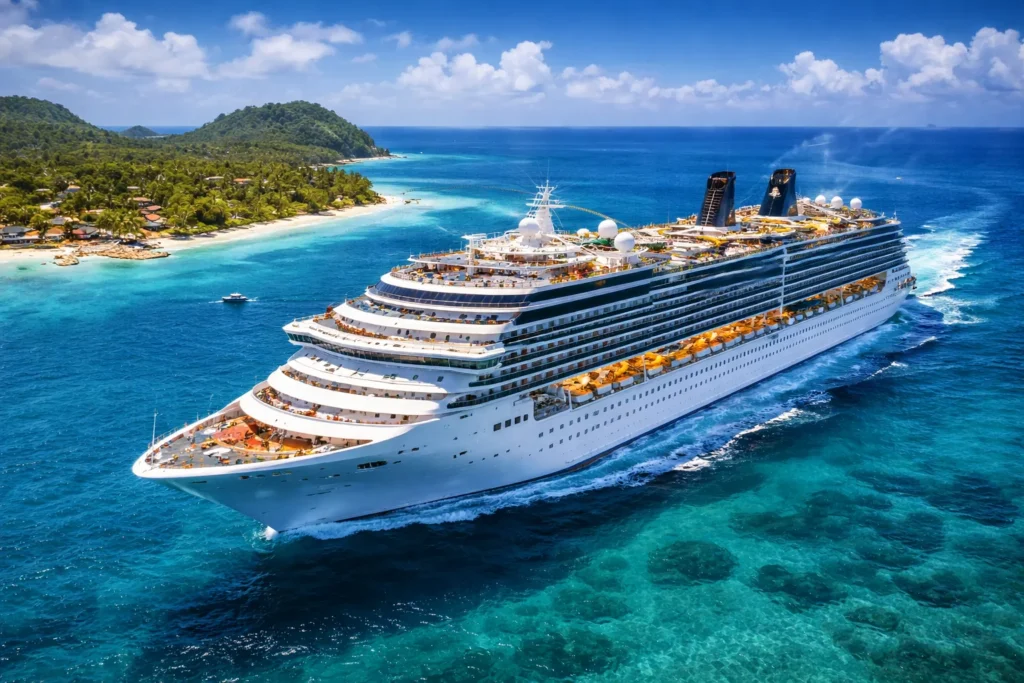
The global cruise industry has crossed a major milestone with passenger numbers surpassing 37 million, signaling strong momentum for international tourism despite rising fuel costs and geopolitical uncertainty. The achievement reflects continued traveler confidence in cruise holidays and the growing popularity of sea-based vacations across multiple regions.
Industry leaders from some of the world’s largest cruise groups recently highlighted both the opportunities and challenges shaping the sector. While record passenger demand points to a robust future, operators are also navigating issues such as energy prices, route adjustments, and wider global events that can influence travel patterns.
For the tourism industry, the latest passenger milestone demonstrates that cruise travel remains one of the most resilient and dynamic segments of global tourism.
Cruise Holidays Continue to Win Travelers
Cruise vacations have expanded far beyond their traditional audience. Once seen primarily as a niche holiday option, cruises now attract families, couples, solo travelers, retirees, and younger experience-seeking guests.
Modern cruise ships offer a wide range of experiences including:
- Multiple dining venues
- Live entertainment
- Wellness and spa facilities
- Family attractions
- Adventure activities
- Cultural shore excursions
- Luxury suites and premium services
This variety has helped the sector appeal to travelers with different budgets and interests. As a result, cruise tourism continues to grow across mainstream, premium, and luxury categories.
The record of more than 37 million passengers shows how strongly the market has rebounded and evolved.
Why Cruise Tourism Matters Globally
Cruise tourism contributes significantly to local and national economies. Every sailing supports jobs and spending across ports, transport services, hotels, attractions, food suppliers, and travel agencies.
When ships call at destinations, passengers often spend on tours, shopping, dining, and local experiences. This creates valuable economic benefits for coastal cities, islands, and regional tourism communities.
The industry also supports employment at sea and on land, including:
- Hospitality staff
- Marine crews
- Port workers
- Tour operators
- Logistics providers
- Entertainment professionals
- Travel planners
As cruise passenger volumes rise, many destinations are investing in terminals, visitor infrastructure, and sustainability planning to maximize long-term benefits.
Fuel Prices Remain a Key Challenge
Despite strong demand, cruise operators continue to watch global fuel markets closely. Energy costs are one of the most significant operational expenses for ships, especially on long-haul itineraries and large vessels.
Changes in oil prices can affect route planning, scheduling, and overall cost management. Cruise companies often use strategies such as fuel-efficient navigation, itinerary optimization, and modern ship technology to reduce consumption.
Many newer vessels are also being designed with improved environmental performance, including cleaner fuels, advanced engines, shore power capability, and waste reduction systems.
The focus on efficiency is likely to remain central as the industry balances growth with cost control and sustainability goals.
Geopolitical Events Can Influence Routes
Global tourism is often shaped by geopolitical developments, and cruise travel is no exception. Tensions in certain regions can lead operators to review itineraries, adjust port calls, or prioritize alternative destinations to maintain guest confidence and operational continuity.
Cruise lines regularly monitor international conditions and work with maritime authorities, governments, and destination partners when making decisions about routes.
The sector’s flexibility is one of its strengths. Ships can often redeploy to different regions where demand remains strong, allowing operators to adapt more quickly than fixed land-based assets.
This ability to shift capacity helps protect both business performance and traveler choice.
Caribbean, Mediterranean and Asia Drive Demand
Several regions continue to lead global cruise growth. The Caribbean remains one of the world’s most popular cruise markets due to warm weather, island variety, and strong port infrastructure.
The Mediterranean also attracts high demand through its combination of culture, heritage cities, beaches, and multi-country itineraries. Meanwhile, Asia and the Middle East are gaining attention as emerging cruise markets supported by infrastructure investment and growing outbound travel demand.
Australia, Alaska, Northern Europe, and expedition cruising destinations are also performing strongly as travelers seek scenic and adventure-led experiences.
This broad geographic appeal has helped cruise tourism become a truly global travel product.
Sustainability Becomes More Important
As passenger numbers rise, sustainability is becoming a key priority for the cruise sector. Travelers, destinations, and governments increasingly expect tourism growth to be environmentally responsible.
Cruise operators are investing in:
- Cleaner marine fuels
- Energy-efficient ship design
- Reduced single-use plastics
- Advanced wastewater systems
- Shore power connections
- Sustainable sourcing practices
Many ports are also upgrading facilities to support greener operations. Responsible growth will be essential to maintaining public trust and ensuring cruise tourism continues to expand successfully.
Why Travelers Keep Choosing Cruises
The continued popularity of cruises is driven by convenience and value. Guests can visit multiple destinations in one trip while enjoying accommodation, dining, entertainment, and transport in a single package.
This appeals to travelers who want simplified planning and diverse experiences without frequent hotel changes or complex logistics.
Cruises are also evolving with more niche options such as wellness voyages, culinary cruises, expedition journeys, family-focused sailings, and adults-only experiences. These tailored products help the industry attract repeat guests and new customer segments.
Positive Outlook for Tourism
The milestone of 37 million passengers sends a strong message about the health of international travel demand. Even with fuel market pressures and geopolitical uncertainty, consumers continue prioritizing holidays and memorable experiences.
For destinations, higher cruise volumes can support recovery, create jobs, and encourage investment in tourism infrastructure. For travelers, it means more ships, more itineraries, and more diverse vacation choices.
The ability of cruise companies to innovate, adapt routes, and manage costs will remain critical in the years ahead.
Looking Ahead
Global cruise tourism is entering a new phase of scale and sophistication. Passenger growth beyond 37 million highlights not only recovery but a broader transformation in how people choose to travel.
While challenges such as energy prices and international tensions remain important considerations, the industry’s resilience continues to stand out. With expanding destinations, modern fleets, and rising consumer demand, cruise travel is set to remain a powerful force in worldwide tourism growth.
For more travel news like this, keep reading Global Travel Wire