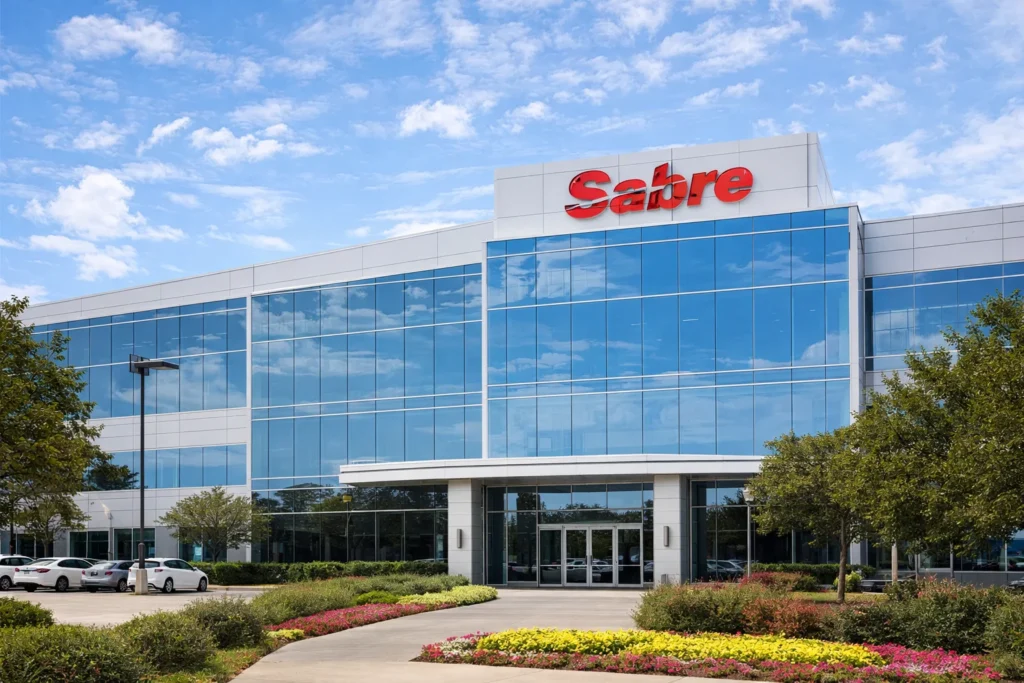
Sabre Corp is drawing renewed attention as global tourism demand continues to rise, with its travel technology platform playing a central role in airline reservations, hotel distribution, and travel booking systems worldwide. While many travelers may not see the company directly, its software powers millions of travel transactions behind the scenes, helping connect airlines, hotels, agencies, and corporate travel buyers across international markets.
As leisure travel rebounds and business travel steadily returns, Sabre’s recovery reflects a wider shift in the tourism industry toward smarter digital infrastructure, real-time booking systems, and data-driven guest experiences. For the global travel sector, the company’s progress matters because technology has become one of the most important foundations of modern tourism growth.
From flight search to hotel reservations and corporate trip management, digital travel platforms now shape how journeys are planned, sold, and experienced.
Why Travel Technology Matters More Than Ever
Tourism today depends on speed, convenience, and instant access to information. Travelers expect to compare flights, reserve hotels, choose extras, and manage itineraries within minutes. That convenience is only possible through advanced booking technology.
Sabre operates in this critical space by connecting suppliers such as airlines and hotels with travel sellers including agencies, booking platforms, and corporate travel managers.
This kind of infrastructure is essential because it allows:
- Real-time flight availability
- Dynamic hotel pricing
- Instant booking confirmation
- Multi-channel travel sales
- Corporate trip management
- Personalized travel offers
Without strong technology networks, modern travel demand would be far harder to manage efficiently.
Global Tourism Recovery Supports Demand
The recovery in tourism across many regions has created stronger demand for reservation systems and travel platforms. As airlines restore routes and hotels welcome higher occupancy, more bookings flow through digital systems that process transactions at scale.
This trend benefits travel technology providers because their growth is closely linked to the volume of trips being planned and purchased.
For the tourism industry, it also highlights an important lesson: recovery is not only about planes, hotels, and attractions. It is equally about the technology that connects every part of the traveler journey.
Airlines Depend on Smart Booking Systems
Airlines operate in a highly competitive environment where pricing, seat inventory, schedules, and customer communication must be updated continuously. Advanced reservation systems help carriers manage these tasks efficiently.
Modern platforms can support:
- Revenue management
- Schedule changes
- Ancillary sales
- Loyalty programs
- Mobile check-in integration
- Disruption management
As air travel continues to normalize, airlines increasingly rely on technology partners that can improve efficiency while enhancing customer experience.
This is especially relevant in markets where travelers compare dozens of options before making a booking.
Hotels Benefit from Strong Distribution Networks
Hotel groups and independent properties also depend on digital distribution to reach global guests. Reservation technology allows hotels to sell rooms across brand websites, travel agencies, corporate channels, and mobile apps simultaneously.
For tourism destinations, stronger hotel technology can increase occupancy, improve visibility in global markets, and attract travelers who prefer seamless online booking.
Hotels now compete not only on rooms and service but also on booking convenience, personalization, and digital communication before arrival.
As travel becomes more competitive, properties with better technology often gain an advantage.
Corporate Travel Is Returning
Business travel remains an important segment of the global tourism economy, supporting airlines, hotels, events, and city tourism. While recovery has been gradual in some markets, companies continue to invest in meetings, conferences, and client travel.
Corporate travel platforms help organizations manage budgets, approvals, traveler safety, and reporting. These tools are increasingly valuable as companies seek efficient and flexible ways to manage employee movement.
Cities that rely on convention and business tourism can benefit when corporate travel technology makes trips easier to organize and control.
Artificial Intelligence and Personalization
The next phase of travel growth is expected to be driven by artificial intelligence and smarter data use. Travelers now expect recommendations tailored to their preferences, faster search results, and smoother disruption handling.
Technology platforms are increasingly using AI for:
- Personalized itineraries
- Predictive pricing
- Better search relevance
- Demand forecasting
- Customer support automation
- Dynamic packaging
These innovations can improve traveler satisfaction while helping suppliers increase revenue and efficiency.
For the tourism industry, smarter technology means better experiences at every stage of the journey.
Why This Matters for Destinations
Strong travel technology does not only help companies. It also benefits destinations by making them easier to discover and book.
When airlines can efficiently sell routes and hotels can distribute inventory globally, destinations gain broader visibility and stronger visitor access. Smaller cities and emerging markets may particularly benefit when digital platforms connect them with international demand.
In a competitive tourism environment, destinations with seamless booking access often perform better than those with friction or limited online presence.
Challenges Remain
Despite positive momentum, travel technology companies still operate in a cyclical environment. Booking demand can be affected by economic slowdowns, fuel prices, geopolitical uncertainty, or changing business travel patterns.
The sector must also manage cybersecurity risks, rapid innovation cycles, and rising expectations from travelers who expect flawless digital experiences.
Success will depend on continued investment in reliability, innovation, and trusted partnerships across the travel ecosystem.
A Positive Signal for Tourism
The recovery of companies like Sabre is a positive sign for the wider travel industry because it shows demand is returning across multiple segments. More bookings, stronger hotel activity, and improving airline schedules all create momentum for tourism growth.
When travel technology platforms perform well, it often reflects confidence among both travelers and suppliers.
That makes digital booking companies an important indicator of where global tourism is heading next.
Looking Ahead
As travel enters a new phase of expansion, technology will remain at the center of how journeys are bought and experienced. Sabre’s recovery story reflects broader changes in tourism, where digital systems, automation, and smarter data are becoming as important as airports and hotels.
For travelers, this means easier booking, more personalized trips, and smoother travel experiences. For the tourism industry, it signals that the future of growth will be powered as much by software as by destinations themselves.
For more travel news like this, keep reading Global Travel Wire