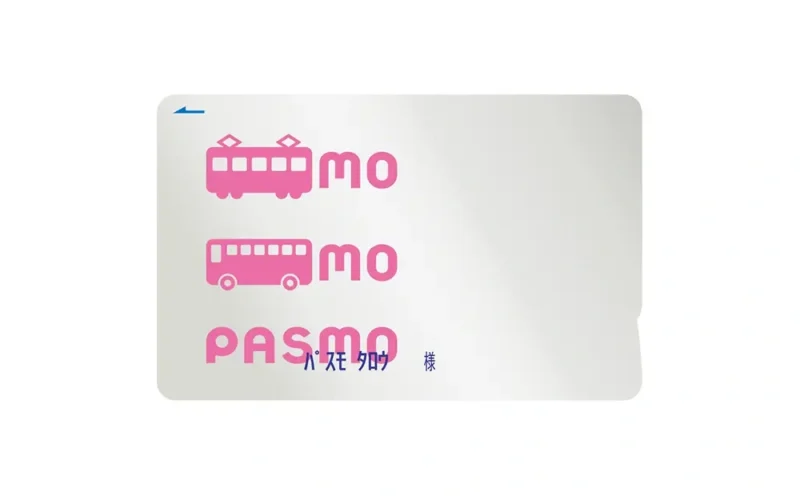
Japan is set to make travel easier for international visitors with the launch of the Tourist Pasmo Card in May 2026, a new prepaid IC card designed for seamless cashless journeys across the country’s public transport networks. The card will give tourists a simple way to pay for trains, buses and subways without navigating multiple ticket systems or relying heavily on cash, supporting Japan’s wider push toward a more convenient and digitally connected visitor experience.
The new product replaces the earlier Pasmo Passport, which was discontinued in 2024. With nationwide transport usability, a 28-day validity period and easy airport availability, Tourist Pasmo is expected to become a valuable travel tool for overseas visitors arriving in one of the world’s most efficient rail markets.
Easier Arrival for Foreign Tourists
Tourist Pasmo will be sold at key gateways including Narita Airport and Haneda Airport, allowing travelers to secure transport access shortly after landing. That immediate availability can significantly improve the arrival experience, especially for first-time visitors who may be unfamiliar with station ticket machines, route maps or language barriers.
For long-haul travelers arriving after extended flights, reducing friction at the airport is increasingly important. Fast access to public transport can help visitors reach hotels sooner, begin sightseeing faster and feel more confident using Japan’s transit system from day one.
How the Card Works
The Tourist Pasmo Card is a prepaid and rechargeable smart card that can be topped up as needed during a trip. It does not require a deposit, making it more accessible than some traditional transport cards that include refundable fees.
The card will be valid for 28 days, matching the typical duration of many leisure holidays and multi-city itineraries. Remaining balances at the end of the validity period will not be refunded, an important detail for travelers planning how much to load onto the card.
By combining flexibility with contactless convenience, the card reduces the need to buy single tickets repeatedly during a journey.
Major Boost for Tourism Mobility
Japan’s tourism success is closely tied to its transport network. Fast, reliable trains and urban transit systems make it possible for visitors to explore multiple cities in one trip, from Tokyo and Osaka to Kyoto, Yokohama and regional destinations.
A tourist-focused payment card strengthens that mobility by simplifying the travel process. Instead of studying fare charts or purchasing separate tickets for each ride, travelers can tap and go across many services.
That ease of movement often encourages broader travel patterns, helping spread visitor spending beyond a single city and supporting regional tourism economies.
Cashless Travel Matches Global Expectations
International travelers increasingly expect digital and contactless payment options throughout their journeys. Airports, hotels, attractions and urban transport systems worldwide are moving toward cash-light experiences that prioritize speed and convenience.
Japan has historically balanced advanced technology with continued cash usage in some sectors, but the Tourist Pasmo launch reflects growing momentum toward modern payment habits. The card aligns public transport with traveler expectations shaped by global metro systems and mobile-first lifestyles.
For younger travelers in particular, frictionless payment options can strongly influence destination satisfaction.
Tourist Pasmo vs Welcome Suica
Tourist Pasmo enters a market where visitors may already know Welcome Suica, the tourist version of JR East’s Suica card. Both products are designed to make travel easier through prepaid, contactless use on transport systems.
Together, these cards increase choice for visitors and strengthen the overall accessibility of Japan’s transport ecosystem. More options can reduce queues, distribute demand across sales points and make onboarding easier during peak travel seasons.
Souvenir Value Adds Cultural Appeal
Beyond functionality, Tourist Pasmo also features a design using kanji associated with travel and tourism. That visual identity gives the card souvenir value, allowing travelers to keep it as a reminder of their trip after returning home.
Travel products that combine usefulness with cultural storytelling often create stronger emotional connections and can become part of the visitor experience itself.
Benefits for Airlines, Hotels and Destinations
Simpler transport tools can deliver ripple effects across the tourism economy. Visitors who move around more confidently are more likely to take day trips, visit additional attractions, dine in different neighborhoods and extend itineraries.
That can benefit hotels through multi-city stays, attractions through higher attendance and airlines through stronger inbound demand driven by an easier destination experience.
Looking Ahead to 2026
The launch of Tourist Pasmo marks another step in Japan’s strategy to welcome growing international visitor numbers with smarter infrastructure and easier travel systems. By making public transport more accessible, cashless and visitor-friendly, Japan is enhancing one of its greatest tourism strengths.
For travelers, it means faster journeys and less hassle. For Japan, it reinforces the country’s reputation as a destination where efficiency, hospitality and innovation travel hand in hand.
For more travel news like this, keep reading Global Travel Wire