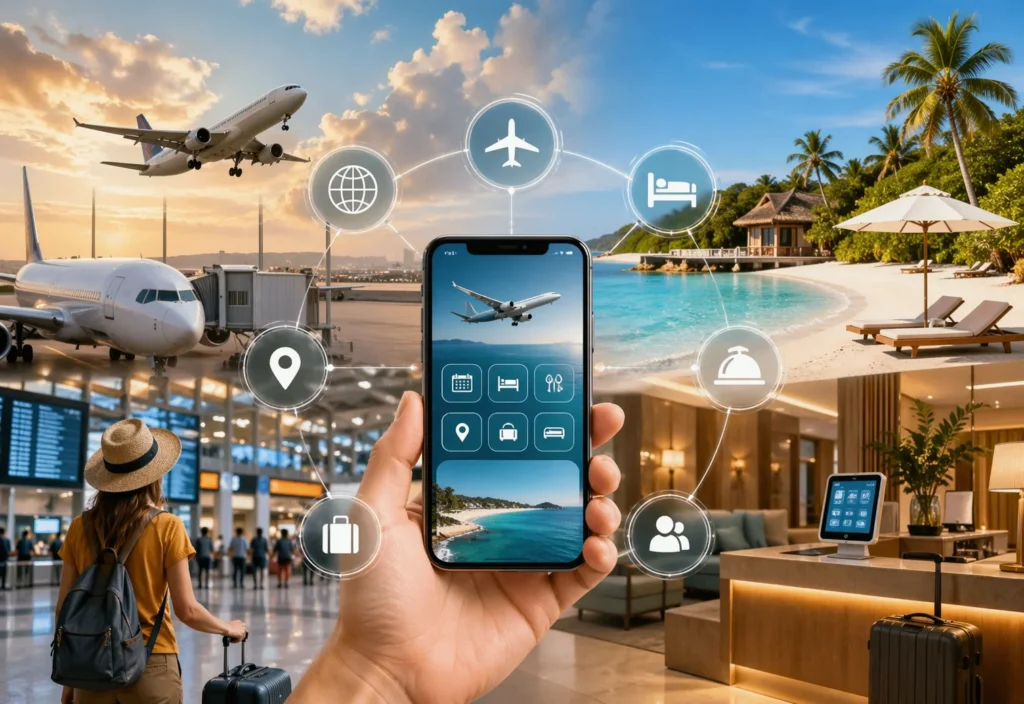
The global tourism industry is entering a new digital era as airlines, tour operators, hospitality brands and travel platforms unveil fresh technology upgrades designed to simplify bookings, improve guest experiences and increase operational efficiency. From conversational trip planning to smarter hotel systems and advanced supplier tools, the latest developments highlight how innovation is becoming central to tourism growth in 2026.
Travel demand continues to rise in many destinations, supported by tourism recovery strategies, digital transformation plans and public-private investments in visitor infrastructure. Official tourism agencies worldwide have emphasized technology as a key pillar for future competitiveness, and the newest product launches show how rapidly the sector is evolving.
Airlines Embrace AI Travel Booking Experiences
One of the biggest trends in tourism this year is the growing use of artificial intelligence in airline retailing. Virgin Atlantic has introduced a new ChatGPT-powered travel experience that allows passengers to search for flights using natural language. Instead of navigating multiple pages, travelers can simply describe their plans, compare available choices and continue their booking journey through the airline’s digital channels.
This type of conversational booking reflects a wider move across aviation toward easier, faster trip planning. Airlines are increasingly using AI to personalize offers, present flexible fares and improve customer support. Industry bodies and civil aviation authorities have repeatedly highlighted digital modernization as essential for future passenger growth.
Air Europa is also strengthening its direct digital strategy by encouraging travel agencies to use modern booking channels that provide more dynamic offers and order management tools. The airline expects a significant share of agency bookings to shift toward direct technology platforms, showing how distribution models are changing across the sector.
Tours and Activities Platforms Expand Supplier Tools
Experiences remain one of the fastest-growing segments in tourism, and technology providers are investing heavily in tools for operators, guides and attraction businesses.
GetYourGuide has introduced a new suite of supplier tools for thousands of activity partners worldwide. These upgrades include performance dashboards, revenue insights, conversion tracking and AI-supported recommendations to help operators improve listings and respond faster to customer demand.
For tourism businesses, better data can lead to stronger pricing strategies, more effective marketing and higher guest satisfaction. Tourism boards in many destinations have identified experiences and local activities as major economic drivers, particularly for regional communities that benefit from visitor spending.
Civitatis has also strengthened its leadership team as it expands internationally, especially in Latin America. Growth in guided tours, cultural experiences and local excursions continues to create opportunities for digital platforms that connect travelers with trusted suppliers.
Hotels Turn to Automation and Smart Operations
The accommodation sector is also moving quickly toward intelligent automation. Property managers and hotel owners are looking for ways to reduce manual tasks while improving service standards.
Guesty has launched new AI tools that automate guest communication, detect issues in real time and convert messages into assignable tasks. This can help accommodation providers respond more quickly to maintenance requests, check-in concerns or guest questions.
Meanwhile, Eviivo has introduced a smart lock management system that centralizes access control with bookings and payments. Operators can automate door codes, monitor devices and manage entry across multiple properties from one dashboard.
These solutions align with wider hospitality trends supported by tourism ministries and destination development agencies that encourage contactless services, seamless arrivals and stronger digital infrastructure. Smart check-in systems and automated guest support are increasingly valuable for short-term rentals, boutique hotels and serviced apartments.
Business Travel and Distribution Platforms Modernize
Corporate travel remains an important contributor to tourism economies, especially in gateway cities and convention destinations. Several travel technology companies are now enhancing the business travel booking experience.
Navan has appointed new leadership focused on commercial innovation and hotel booking improvements. Its early priorities include lodging collections and negotiated corporate hotel rates, helping companies manage travel spend while improving traveler choice.
Travelport has extended its long-term partnership with Webjet, with continued access to modern airline content and new automation features. This signals ongoing demand for technology that connects travelers with more fares, ancillaries and tailored offers in one place.
As governments continue promoting business events, conferences and trade travel, efficient booking tools will remain essential to attracting high-value visitors.
Richer Content Helps Travelers Choose Better
Today’s travelers expect more than schedules and prices. They want visual content, clear comparisons and confidence before booking.
ATPCO says momentum is building for immersive flight-shopping tools that allow customers to view richer airline content during the booking process. More than 100 airlines are now contributing visual assets to help explain onboard products and services.
This type of digital merchandising can influence traveler decisions, especially for long-haul and premium journeys where comfort, seating and cabin experience matter. National tourism strategies often emphasize air connectivity, and richer digital retailing can support stronger route performance by improving conversion rates.
Payments and Cross-Border Tourism Get Easier
Tourism is global, and payments remain a critical part of the visitor journey. Travel package providers are now improving how they manage multiple currencies, supplier payouts and international transactions.
New payment integrations launched by travel technology firms aim to reduce checkout friction and simplify cross-border operations for multi-day tours and packaged holidays. For travelers, smoother payment systems can reduce abandoned bookings and build trust during purchase.
For destinations seeking more international arrivals, reliable payment infrastructure can play a major role in attracting global customers.
What This Means for Tourism in 2026
The latest wave of launches confirms that technology is no longer a support function in tourism—it is now central to growth, competitiveness and customer satisfaction. AI travel booking, smart hospitality tools, modern distribution systems and richer digital content are helping businesses meet rising traveler expectations.
As tourism authorities continue investing in innovation, the industry is likely to see even more automation, personalization and seamless booking experiences in the months ahead. For travelers, that means easier planning and better journeys. For businesses, it means stronger efficiency and new revenue opportunities in an increasingly digital travel marketplace.
For more travel news like this, keep reading Global Travel Wire