International travel has never been easier to access. Flights, hotels, attractions and destination guides are available instantly through apps, websites and social media platforms. Millions of travellers now build holidays independently, believing digital tools give them more freedom, lower costs and complete control.
Yet across global tourism markets, many travellers are discovering that self-managed trips often create more stress than savings. Rising travel complexity, changing regulations, hidden costs and unrealistic itineraries are pushing holidaymakers toward smarter planning models that combine digital convenience with professional expertise.
As tourism authorities continue reporting strong growth in outbound and inbound travel, the focus is shifting from simply booking a trip to creating smoother, higher-value travel experiences.
The Hidden Costs Behind DIY Travel Planning
Many travellers begin by searching for the cheapest flight or lowest hotel rate. While headline prices may appear attractive, the final cost of a self-planned holiday is often much higher than expected.
Extra baggage fees, airport transfers, taxes, foreign exchange charges, insurance costs and local transport expenses can quickly increase the budget. In many destinations, seasonal price changes and dynamic hotel rates also mean that what seems affordable at first may become expensive later.
Official tourism boards frequently advise visitors to check total trip costs, entry requirements and transport options before confirming bookings. This broader approach helps travellers understand real value rather than choosing only the lowest advertised price.
For budget-conscious tourists, saving money today is no longer just about finding cheap deals. It is about avoiding expensive mistakes.
Information Overload Is Creating Decision Fatigue
The internet offers endless travel choices, but too many options can become a problem. A simple search for beaches, city tours or family hotels can generate thousands of results, reviews and recommendations.
Instead of making planning easier, this abundance of information often leads to decision fatigue. Travellers spend hours comparing similar hotels, reading conflicting reviews or trying to identify the “best” attraction without knowing what matches their interests.
Tourism boards worldwide increasingly promote curated visitor guides and official destination platforms to reduce confusion. These trusted resources help travellers focus on quality experiences rather than wasting time navigating endless opinions.
In today’s tourism environment, convenience has become just as valuable as choice.
Unrealistic Itineraries Reduce Holiday Enjoyment
Another growing issue with DIY travel planning is overpacking itineraries. AI tools, blogs and social media posts can make it seem possible to visit multiple cities and attractions in a short time.
On paper, these schedules look efficient. In reality, traffic delays, airport transfers, queues, weather changes and travel fatigue often reduce what can realistically be achieved in a day.
Many travellers return home feeling exhausted rather than refreshed because their holiday became a race against time.
Destination management organizations often encourage slower, more meaningful travel experiences that allow visitors to explore culture, cuisine and local life at a comfortable pace. This trend supports both visitor satisfaction and sustainable tourism goals.
The message is clear: more activities do not always create a better trip.
Regulations and Entry Rules Keep Changing
International travel regulations have become more detailed in recent years. Even destinations with visa-free or visa-on-arrival access may require proof of return travel, travel insurance, accommodation details or specific entry procedures.
Travellers who rely only on outdated online advice risk delays, denied boarding or unexpected airport issues.
Official government immigration websites and tourism ministries remain the most reliable sources for entry information. However, many tourists do not check these resources carefully or misunderstand the latest requirements.
As global travel rebounds, accurate preparation has become one of the most important parts of any international journey.
No Backup Support When Problems Happen
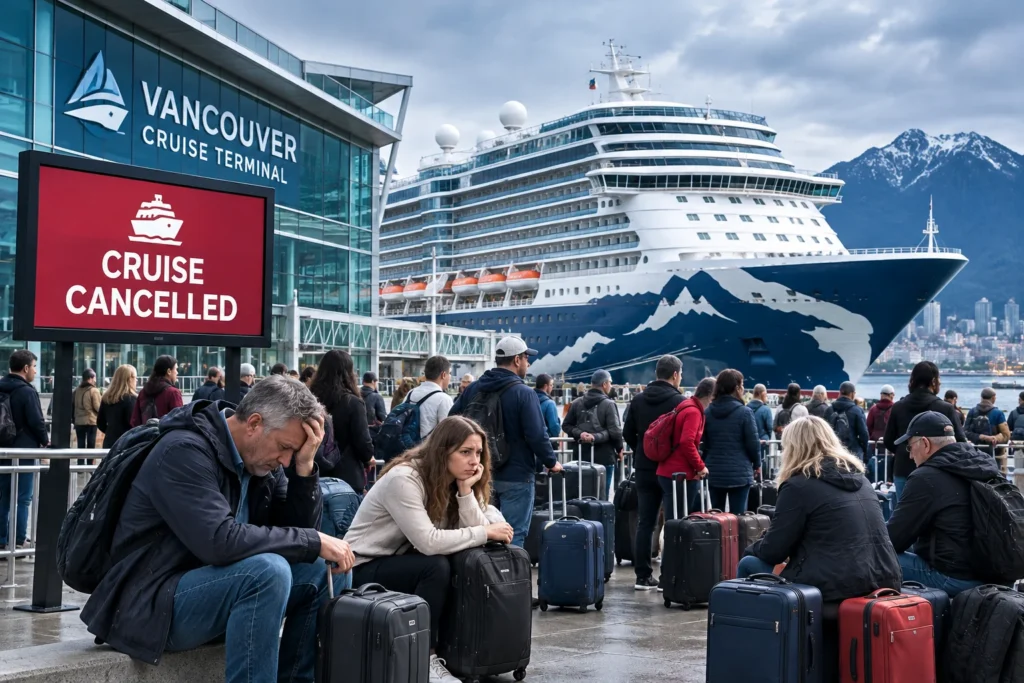
Travel rarely goes exactly as planned. Flights can be delayed, hotels can overbook rooms, weather can disrupt tours and luggage can be misplaced.
When travellers organize everything independently, they are responsible for solving every issue alone. This can be stressful, especially in unfamiliar destinations or where language barriers exist.
Having expert support, a local partner or a managed itinerary can make a major difference when rebooking transport, arranging alternatives or handling emergencies quickly.
Tourism agencies in many destinations now emphasize visitor assistance services, multilingual support and digital help centers because responsive service plays a major role in destination reputation.
A great holiday is measured not only by what goes right, but by how smoothly problems are resolved.
Travellers Are Seeking Authentic Experiences
One of the biggest drawbacks of purely DIY travel is missing local insight. Search engines usually highlight famous landmarks and popular attractions, but they do not always reveal hidden cultural gems, seasonal festivals, neighborhood food spots or lesser-known scenic areas.
Modern travellers increasingly want authentic experiences instead of crowded photo stops. They are looking for local cuisine, meaningful encounters, nature escapes and unique activities that reflect the destination’s true identity.
National tourism boards have responded by promoting community tourism, heritage trails, rural escapes and immersive experiences. These offerings often require better planning than standard tourist routes.
The future of tourism is moving beyond checklists toward connection and authenticity.
The Rise of Smarter Hybrid Travel Planning
Rather than choosing between complete DIY travel or fully managed tours, many travellers now prefer a hybrid model.
This approach combines independent freedom with expert guidance. Travellers may use curated itineraries, official destination resources and professional recommendations while still customizing parts of their holiday.
Popular hybrid planning strategies include:
- Using expert-built routes as a starting point
- Booking trusted local experiences in advance
- Comparing prices while focusing on value
- Leaving free time for spontaneous exploration
- Checking official government travel updates before departure
This balanced method gives travellers flexibility without unnecessary stress.
What It Means for Tourism in 2026
The global tourism sector is becoming more experience-driven, technology-enabled and service-focused. Travellers still want control, but they also want reliability, personalization and peace of mind.
DIY travel planning is not disappearing, but it is evolving. Holidaymakers are learning that successful trips depend on smart decisions, realistic schedules and trusted information.
For destinations, travel brands and tourism providers, this creates a clear opportunity: offer easier planning tools, better local insight and stronger support throughout the journey.
Because travel should feel like discovery and relaxation—not a second full-time job.