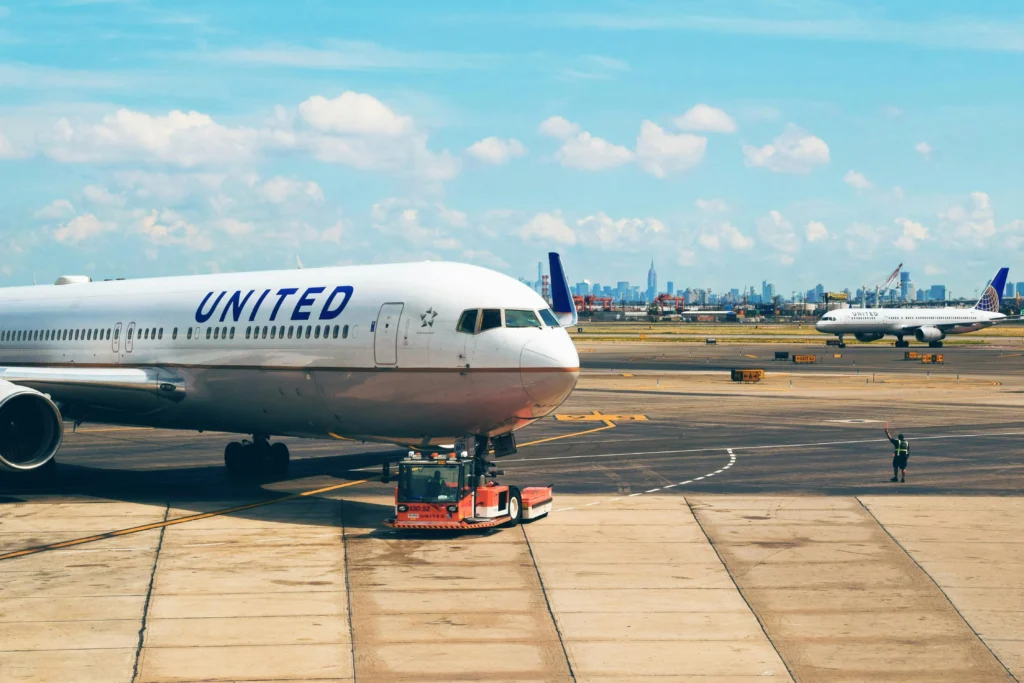
Rumours of a possible merger between United Airlines and American Airlines have triggered wide discussion across the travel industry, with both carriers issuing official responses that quickly drew attention from tourism markets, aviation analysts, and frequent flyers.
Although no merger talks are moving forward, the public statements from the two major US airlines have highlighted an important issue for tourism: how airline competition, route networks, and customer experience shape the future of travel.
American Airlines confirmed that it is not interested in any merger discussions with United Airlines. The company stated that such a combination would be negative for competition and consumers, while emphasizing its commitment to long-term strategic goals.
United Airlines later responded with additional context. Chief Executive Scott Kirby said he had approached American Airlines about exploring a combination, believing the two carriers could create stronger customer benefits and broader growth opportunities. However, he confirmed that American declined to engage, effectively ending the possibility.
Why Airline Mergers Matter to Tourism
Large airline mergers can significantly influence tourism because airlines are the backbone of domestic and international travel. Their networks determine which cities receive direct flights, how often routes operate, and how easily tourists can move between destinations.
In the United States, major carriers connect global visitors to popular cities, national parks, beaches, cruise ports, business centres, and cultural destinations. Any major structural change involving two of the country’s biggest airlines would naturally attract global attention.
Even though this merger will not proceed, the conversation has renewed focus on how airlines compete to win travelers through better service, larger networks, and improved loyalty programs.
Competition and Consumer Choice in Focus
American Airlines stressed that competition remains essential for consumers. In tourism terms, competition often helps keep fares attractive, increases service options, and encourages innovation.
When several airlines compete on key routes, travelers may benefit from flexible schedules, varied cabin products, promotional fares, and stronger customer service standards. Competition can also support smaller cities by motivating carriers to grow beyond major hubs.
For holidaymakers and business travelers, more choice usually means easier planning and better value. This is why competition policy plays a major role in aviation decisions worldwide.
United’s Vision of Growth
United Airlines described the proposed combination as an opportunity centered on expansion rather than cost cutting. According to the airline’s statement, the idea was to build a larger network, improve customer experience, and create a globally competitive US carrier.
That message is significant for tourism because growth-focused airline strategies often involve more routes, upgraded aircraft, new airport investments, and broader destination access.
United also highlighted the value of product enhancements such as onboard entertainment, connectivity, larger storage bins, and premium cabin innovation. These service improvements matter to modern travelers who increasingly compare airlines based on comfort and convenience, not only ticket price.
Potential Impact on US Destinations
If a merger of this scale had occurred, it could have reshaped travel flows across the United States. Larger combined networks often create new opportunities for connecting traffic and route planning.
Tourism-heavy destinations such as Orlando, Las Vegas, New York, Miami, Los Angeles, Chicago, and Honolulu depend heavily on airline capacity. More seats and better connections can increase visitor numbers, support hotels, attractions, and restaurants, and strengthen local economies.
At the same time, regulators typically examine whether mergers could reduce competition on important routes or limit options for consumers. That balance between growth and fair competition remains central in aviation policy.
International Tourism Connections
The discussion also touched on long-haul travel and global competitiveness. International visitors often choose airlines based on network reach, partnerships, loyalty rewards, and seamless connections.
A stronger long-haul network can help attract tourists from Europe, Asia, Latin America, and the Middle East by offering easier access to US cities and vacation destinations.
Inbound tourism is a major contributor to the US economy, supporting employment across hospitality, retail, entertainment, and transport sectors. Any airline strategy that increases international capacity can have broader tourism benefits.
Although the merger is off the table, both airlines are expected to continue competing aggressively in the international market through new routes, fleet upgrades, and alliance partnerships.
Jobs and Economic Ripple Effects
Airlines are major employers, supporting pilots, cabin crew, engineers, airport workers, customer service teams, and many indirect jobs. Tourism destinations also rely on aviation activity to generate demand across local businesses.
United argued that growth in airline scale can create employment and stimulate manufacturing demand through aircraft orders and supply chains. While this specific proposal will not move ahead, the broader point remains relevant: airline expansion often creates economic momentum well beyond airports.
Every new route can support hotels, taxis, event venues, restaurants, and visitor attractions. Strong air access remains one of the most powerful drivers of tourism growth.
What Travelers Can Expect Now
With merger speculation ended, travelers are more likely to see continued competition rather than consolidation between the two carriers. That can mean separate investments in customer experience, loyalty programs, schedules, and route development.
Passengers may benefit as airlines compete to attract premium travelers, budget-conscious tourists, and international visitors. Expect ongoing focus on cabin upgrades, digital services, airport lounges, and network expansion.
For tourists, this competitive environment can create better travel options whether flying domestically within the United States or connecting internationally.
Outlook for US Tourism Aviation
The United Airlines and American Airlines merger rumours may have ended quickly, but they revealed how closely aviation strategy and tourism growth are connected. Airlines are not just transport providers—they are key enablers of destination success.
As both carriers continue pursuing independent growth plans, US tourism stands to benefit from ongoing investment, stronger competition, and evolving travel experiences. Whether through new routes, better aircraft, or improved service, the race to win passengers is likely to remain good news for travelers.