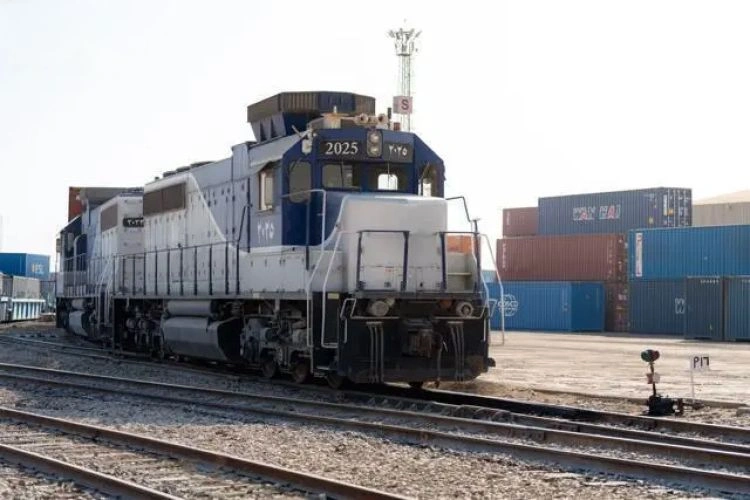
Saudi Arabia has launched five new rail freight routes in a major push to modernize cargo transport, strengthen supply chains and expand its role as a regional logistics powerhouse. The new corridors, introduced by Saudi Arabia Railways and confirmed through official state channels, are designed to connect key Gulf ports with inland logistics centers, industrial zones, Red Sea gateways and border markets while reducing transport costs and speeding up cargo flows across the Kingdom.
The expansion marks a significant milestone in Saudi Arabia’s National Transport and Logistics Strategy and wider Vision 2030 agenda, both of which aim to position the Kingdom as a global hub for trade, infrastructure and multimodal transport.
Five New Routes Reshape Freight Movement
The new rail routes create an integrated network linking Arabian Gulf ports such as Dammam, King Fahd Industrial Port and Jubail with Riyadh, northern regions and onward connections to Red Sea ports and neighboring countries. By combining rail with road distribution systems, Saudi Arabia is building a more efficient logistics chain that can move freight faster and more reliably.
For exporters and importers, stronger rail connectivity can reduce dependency on long-haul trucking while improving scheduling and delivery consistency. This is particularly valuable for time-sensitive cargo and large industrial shipments.
Why It Matters for Gulf Trade
Saudi Arabia sits at the crossroads of Asia, Europe and Africa, making it strategically important for global commerce. Better rail freight capacity strengthens the Kingdom’s ability to act as a bridge between eastern manufacturing centers and western consumer markets.
As supply chains continue to diversify worldwide, countries with fast and dependable logistics infrastructure are gaining a competitive advantage. The new routes could help Saudi Arabia capture more transit trade, attract international investment and support regional economic integration across the Gulf.
Stronger Links Between Ports and Industry
The rail network connects major ports with freight yards and logistics hubs in locations including Riyadh, Dammam, Jubail, Ras Al-Khair, Al-Kharj, Hail and Qurayyat. This creates direct links between seaports, production centers and inland markets, helping goods move with fewer bottlenecks.
For industries such as petrochemicals, mining and manufacturing, efficient transport is essential. Faster cargo movement can shorten supply chains, lower costs and improve export competitiveness in global markets.
Lower Costs and Faster Deliveries
Rail freight is often more cost-effective than road transport for high-volume cargo over long distances. By shifting more shipments to rail, Saudi Arabia aims to improve freight economics for businesses operating across the Kingdom.
Reduced transit times can also improve inventory management. Companies may be able to hold less stock, respond faster to customer demand and plan production more efficiently when transport networks become more predictable.
Sustainability and Road Safety Benefits
One of the most important long-term advantages of the project is the expected reduction in truck traffic on highways. Moving cargo by rail can ease road congestion, lower highway maintenance pressure and improve safety by reducing heavy vehicle volumes on major routes.
Rail also offers environmental benefits. Fewer truck journeys can help reduce emissions and support national sustainability goals as governments and businesses seek cleaner logistics solutions.
Vision 2030 in Action
The launch of these five routes demonstrates how infrastructure investment is being used to diversify Saudi Arabia’s economy beyond oil. Logistics, transport and trade services are increasingly important growth pillars under Vision 2030, alongside tourism, manufacturing and technology.
Modern rail systems are central to that strategy because they improve domestic productivity while making the country more attractive to global investors and multinational supply chain operators.
Wider Impact Beyond Freight
Although the new routes focus on cargo, stronger rail ecosystems often generate wider economic benefits. Improved transport corridors can stimulate warehousing, industrial development, commercial real estate and job creation in surrounding regions.
They can also strengthen resilience during global supply disruptions by giving businesses more routing options and better inland access.
A New Era for Saudi Logistics
Saudi Arabia’s five new rail freight routes represent more than a transport upgrade. They signal a structural shift in how goods will move across the Kingdom and beyond. With stronger port links, lower costs, faster cargo flows and greener logistics, the country is accelerating its emergence as one of the Middle East’s most important trade and supply chain hubs.
For more travel news like this, keep reading Global Travel Wire