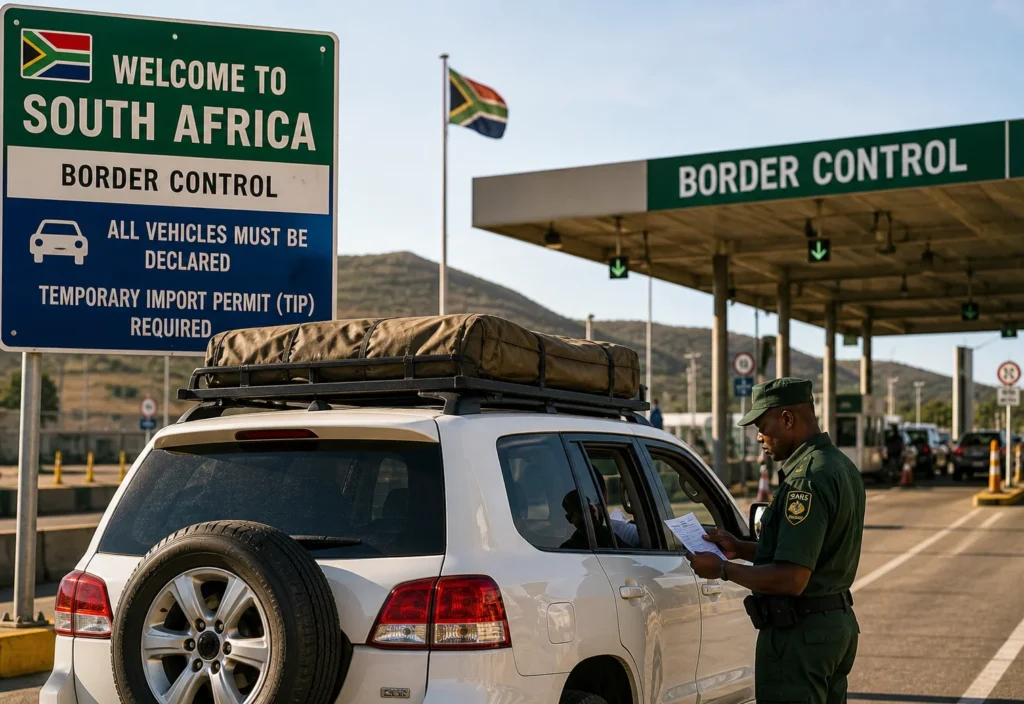
South Africa is set to introduce a major change in its border entry procedures, impacting thousands of international road travelers and self-drive tourists. Beginning June 1, 2026, the South African Revenue Service will require all foreign-registered vehicles entering the country to complete a mandatory digital declaration process.
This new regulation marks a significant shift in how cross-border tourism operates in Southern Africa. Previously, travelers from neighboring countries often experienced simplified entry procedures, but the updated system introduces a standardized process aligned with global customs practices. Tourism authorities view this as part of a broader effort to modernize border management while supporting the region’s growing self-drive tourism sector.
Under the new rule, all vehicles registered outside South Africa must obtain a Temporary Import Permit before crossing the border. This permit is issued through the Travel Management System, a digital platform designed to streamline customs documentation. Travelers are encouraged to complete the process online prior to arrival to avoid delays at border posts.
The implementation applies not only to international tourists but also to visitors from countries within the Southern African Customs Union, including Botswana, Namibia, Lesotho, and Eswatini. This unified approach ensures that all incoming vehicles are documented consistently, improving transparency and security.
Tourism officials highlight that road travel is a key component of regional tourism, particularly for visitors exploring multiple countries on extended itineraries. Self-drive safaris, cross-border road trips, and overland journeys are popular among international travelers seeking immersive experiences. The new system aims to support these travel patterns while ensuring compliance with customs regulations.
The digital declaration process requires travelers to submit vehicle details, travel plans, and personal information through the Travel Management System. Once approved, a Temporary Import Permit is generated, allowing the vehicle to remain in the country for a specified period without incurring import duties. This document must be carried at all times and presented during inspections by border authorities or traffic officials.
Authorities emphasize that early registration is essential for a smooth travel experience. Completing the declaration at least two to three days before arrival allows sufficient time for processing and reduces the likelihood of delays. While manual assistance will be available at border posts, travelers using the digital system are expected to experience faster clearance.
For tourists using rental vehicles, clarity on documentation responsibilities is crucial. Travel operators and vehicle rental companies may assist with pre-registration, but travelers should confirm whether they are required to complete the declaration themselves. Ensuring that all documents are in order before departure can prevent complications at border crossings.
The introduction of this system reflects a global trend toward smart border management. Governments worldwide are adopting digital platforms to enhance efficiency, improve data collection, and strengthen security measures. South Africa’s approach aligns with these practices, positioning the country as a modern and organized destination for international travelers.
From a tourism perspective, the new regulation is expected to bring long-term benefits. Standardized procedures can reduce administrative confusion, create predictable entry processes, and improve overall travel experiences. By ensuring that all vehicles are properly documented, authorities can also enhance road safety and regulatory compliance.
Travel planners and tourism boards advise visitors to incorporate the new requirement into their itineraries. Allowing extra time for border crossings, particularly during peak travel periods, can help avoid disruptions. Daytime arrivals are recommended, especially for travelers unfamiliar with the new system, as additional support services are more readily available.
Despite the added step, officials stress that the Temporary Import Permit does not typically involve additional costs for tourists, provided the vehicle is exported within the permitted timeframe. This ensures that the regulation remains traveler-friendly while meeting customs objectives.
The broader tourism industry in Southern Africa is expected to adapt quickly to the new system. Cross-border travel remains a key attraction in the region, offering diverse landscapes, wildlife experiences, and cultural encounters. Improved documentation processes can support the continued growth of this segment by making travel more organized and transparent.
Tourism authorities also highlight the importance of digital readiness among travelers. Access to smartphones, internet connectivity, and familiarity with online systems will play a role in ensuring smooth compliance. However, provisions for manual processing ensure that all travelers, regardless of digital access, can meet the requirements.
As the June 2026 implementation date approaches, awareness campaigns are being conducted to inform travelers and tourism operators about the new rules. Clear communication and guidance will be essential in ensuring a seamless transition to the updated system.
For international visitors planning road trips through Southern Africa, the message is clear: preparation is key. By completing the required declarations in advance and carrying the necessary documentation, travelers can continue to enjoy the region’s renowned self-drive experiences without interruption.
South Africa’s move toward digital border management represents an important step in modernizing its tourism infrastructure. By balancing security, efficiency, and traveler convenience, the country is reinforcing its position as a leading destination for road tourism in Africa.
As global travel continues to evolve, such initiatives highlight the growing importance of technology in shaping tourism experiences. For travelers, adapting to these changes ensures not only compliance but also a smoother and more enjoyable journey across one of the world’s most diverse and scenic regions.
For more travel news like this, keep reading Global Travel Wire