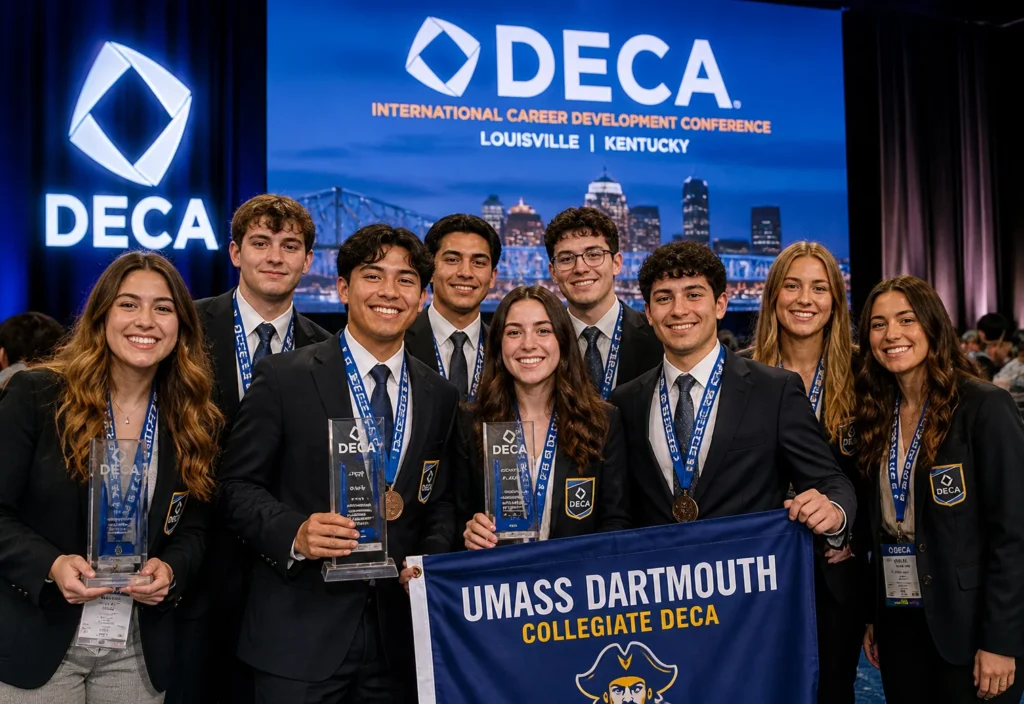
A major international student event held in Louisville is drawing attention to the growing impact of academic conferences on tourism, as participants from across the world gathered for the prestigious DECA International Career Development Conference in 2026. The event not only highlighted student excellence but also reinforced the role of education-driven travel in boosting local tourism economies.
Among the standout performers were students from University of Massachusetts Dartmouth, whose Collegiate DECA chapter achieved top honors in multiple categories. Their success reflects the increasing importance of global academic events that combine competition, networking, and cultural exchange.
Tourism authorities in the United States have identified large-scale academic and professional conferences as a key segment of the travel industry. Events like the DECA International Career Development Conference attract thousands of participants, including students, educators, and industry professionals, contributing significantly to local hospitality sectors such as hotels, restaurants, and transportation services.
The 2026 conference brought together more than a thousand students from various countries, showcasing the global appeal of educational tourism. Participants competed in disciplines such as marketing, finance, hospitality, and entrepreneurship, applying their academic knowledge to real-world business scenarios. These activities not only enhance learning but also encourage travel, making such events a vital part of the tourism ecosystem.
UMass Dartmouth students delivered exceptional performances, securing top positions in competitive categories. Their achievements highlight the value of experiential learning and international exposure, which are central to modern education systems. For host cities, these events create opportunities to showcase local culture, infrastructure, and attractions to a global audience.
Louisville, known for its vibrant cultural scene and convention facilities, benefited from the influx of international visitors attending the conference. Tourism boards often collaborate with event organizers to ensure that participants experience the destination beyond the conference venue. Guided tours, local experiences, and cultural programs are commonly integrated into such events to enhance visitor engagement.
Educational conferences like DECA’s flagship event are increasingly recognized as drivers of sustainable tourism. Unlike seasonal leisure travel, conference tourism provides year-round economic activity, supporting local businesses and creating employment opportunities. Government tourism strategies often emphasize attracting such events to diversify tourism revenue streams.
In addition to competition, the conference offered extensive networking and professional development opportunities. Students engaged in workshops, seminars, and interactive sessions designed to prepare them for future careers. These activities contribute to the overall travel experience, making educational tourism both productive and enriching.
For many participants, attending an international conference is also an opportunity to explore new destinations. Travel associated with academic events often includes extended stays, allowing visitors to experience local attractions and cultural landmarks. This trend aligns with broader tourism goals of increasing visitor spending and promoting longer stays.
The success of the UMass Dartmouth team reflects the growing competitiveness of collegiate programs worldwide. Their achievements demonstrate how academic institutions are preparing students for global careers while also contributing to international travel trends. Such participation strengthens cultural exchange and fosters global connections among young professionals.
Tourism officials note that events like the DECA International Career Development Conference play a significant role in positioning cities as hubs for innovation and knowledge exchange. By hosting international conferences, destinations can enhance their global visibility and attract future events, creating a cycle of continuous tourism growth.
The conference also underscores the importance of infrastructure in supporting large-scale events. Convention centers, transportation networks, and accommodation facilities must meet high standards to accommodate international visitors. Cities that invest in such infrastructure are better positioned to compete in the global meetings and events market.
For students, the experience goes beyond competition. Exposure to diverse perspectives, collaboration with peers from different देशों, and engagement with industry experts contribute to personal and professional growth. These elements make educational travel a valuable component of the tourism industry.
The United States continues to be a leading destination for conference tourism, supported by its extensive network of universities and event facilities. Government tourism initiatives often highlight the country’s ability to host large-scale events, attracting participants from around the world.
As global travel continues to evolve, the role of education and conference tourism is expected to grow. Events that combine learning, networking, and cultural exploration offer unique value to travelers, making them an important segment of the industry.
The achievements of UMass Dartmouth students at the 2026 DECA conference not only celebrate academic excellence but also highlight the broader impact of such events on tourism. By bringing together participants from diverse backgrounds, these conferences foster global connections and contribute to the development of future leaders.
Looking ahead, destinations that continue to invest in hosting international events are likely to benefit from increased tourism and global recognition. The success of the DECA conference in Louisville demonstrates how academic gatherings can create meaningful travel experiences while supporting local economies.
In an increasingly interconnected world, educational tourism is becoming a powerful force in shaping travel trends. Events like the DECA International Career Development Conference showcase how learning and travel can come together to create opportunities for growth, collaboration, and cultural exchange, benefiting both participants and host destinations alike.