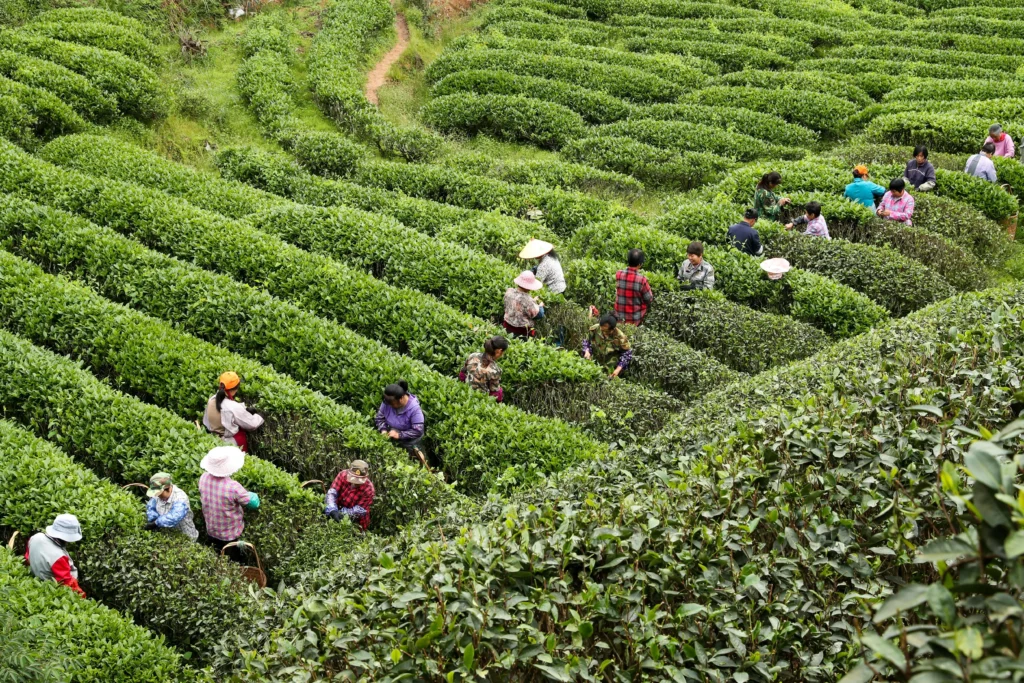
Deep within China’s Fujian Province, Wuyishan National Park is emerging as one of Asia’s most captivating hidden travel destinations, attracting visitors seeking authentic cultural experiences, dramatic mountain landscapes, ancient tea traditions, and spiritual wellness retreats.
Known for its mist-covered peaks, winding rivers, and centuries-old tea heritage, Wuyishan offers travelers a slower and more immersive alternative to China’s larger tourism hubs. The destination combines eco-tourism, cultural exploration, wellness travel, and outdoor adventure, making it increasingly attractive to international travelers searching for meaningful experiences connected to nature and tradition.
At the heart of the region lies Tongmu Village, internationally recognized as the birthplace of Lapsang Souchong, the world’s first black tea. Together, the village and surrounding Wuyi Mountains create a tourism experience deeply rooted in heritage, serenity, and environmental beauty.
Tongmu Village Preserves China’s Ancient Tea Heritage
Tea tourism has become one of Wuyishan’s defining attractions, drawing visitors eager to experience the origins of Lapsang Souchong and China’s historic tea culture firsthand.
Tongmu Village, located within the protected mountain region, has maintained traditional tea production techniques for generations. Local tea artisans continue handpicking and processing tea leaves using methods developed centuries ago, preserving one of the world’s most iconic tea-making traditions.
Travelers visiting the area can explore tea plantations, participate in guided tea tastings, and learn about the history and craftsmanship behind the smoky black tea that gained global popularity over the centuries.
Tea-focused tourism continues growing worldwide as travelers increasingly seek authentic agricultural and cultural experiences connected to local communities. Wuyishan’s tea heritage positions the region strongly within this expanding tourism segment.
The peaceful setting of Tongmu Village, surrounded by lush valleys and forested mountains, further enhances its appeal as a destination for slow travel and wellness-focused tourism.
Wuyi Mountains Offer Adventure and Eco-Tourism Experiences
Wuyishan National Park spans more than 60,000 hectares of protected natural landscapes, including karst cliffs, dense forests, winding rivers, and dramatic mountain formations that attract nature lovers and outdoor enthusiasts year-round.
The Wuyi Mountains, recognized for their ecological significance and biodiversity, offer extensive hiking trails leading to panoramic viewpoints, ancient temples, and scenic river valleys. Travelers can also explore the famous Nine-Bend River, where bamboo raft excursions provide immersive views of the region’s rugged terrain and peaceful waterways.
Eco-tourism has become increasingly important within China’s domestic and international tourism strategy as travelers seek environmentally responsible destinations offering nature-based experiences.
The park’s rich biodiversity also supports wildlife observation and photography tourism, with numerous rare bird species and protected flora thriving within the region’s preserved ecosystems.
Spiritual Tourism Adds to Wuyishan’s Appeal
Beyond its natural beauty, Wuyishan has long been associated with spiritual reflection and religious heritage. For centuries, Buddhist monks and Taoist practitioners have lived within the mountains, creating sacred sites that continue attracting visitors seeking tranquility and mindfulness.
Ancient temples hidden among the peaks offer opportunities for meditation, reflection, and cultural discovery. The region’s calm atmosphere and untouched natural surroundings make it especially appealing to travelers interested in wellness tourism and spiritual retreats.
Global demand for wellness-focused travel experiences has continued rising rapidly as travelers prioritize mental well-being, mindfulness, and nature immersion. Destinations like Wuyishan are increasingly benefiting from this trend by combining spirituality with eco-tourism and cultural authenticity.
Visitors frequently describe the region’s slower pace and serene environment as a welcome contrast to fast-moving urban travel experiences.
Cultural Landmarks Reflect Centuries of Chinese History
Wuyishan’s tourism appeal extends beyond tea and landscapes through its rich historical and cultural heritage. The region contains numerous ancient landmarks, temples, and cultural sites connected to China’s imperial history and traditional philosophies.
Travelers can visit attractions such as the Wuyi Mountain Buddhist Temple and Ziyang Palace, both of which reflect centuries of architectural craftsmanship and spiritual influence. Stone carvings, ancient structures, and preserved historical sites throughout the area provide insight into the region’s deep cultural roots.
Cultural tourism continues playing an increasingly important role in China’s tourism development strategy as travelers seek destinations offering historical depth alongside scenic attractions.
Local performances, tea ceremonies, and traditional cultural activities further enhance the immersive visitor experience while supporting preservation of regional traditions.
Slow Travel and Experiential Tourism Fuel Rising Interest
Industry observers note that destinations like Wuyishan are benefiting from broader changes in traveler behavior, particularly the growing popularity of slow travel and experiential tourism.
Modern travelers increasingly prioritize meaningful engagement with local culture, nature, food, and traditions rather than fast-paced sightseeing itineraries. Wuyishan’s combination of tea heritage, mountain scenery, spiritual experiences, and ecological preservation aligns closely with these evolving tourism preferences.
The destination also appeals to travelers seeking wellness-oriented journeys that combine physical activity, mindfulness, and cultural enrichment in less-commercialized environments.
Wuyishan Strengthens China’s Eco and Cultural Tourism Portfolio
As China continues promoting sustainable tourism and regional travel development, Wuyishan National Park is gaining recognition as one of the country’s most distinctive eco-cultural destinations.
Its blend of ancient tea traditions, protected landscapes, spiritual heritage, and authentic local experiences offers travelers a rare opportunity to connect with both nature and Chinese cultural history in a deeply immersive way.
From tasting freshly brewed Lapsang Souchong in Tongmu Village to hiking through mist-covered mountain trails and exploring centuries-old temples, Wuyishan delivers a tourism experience centered on authenticity, tranquility, and discovery.
With global travelers increasingly seeking destinations that offer cultural depth and natural beauty, Wuyishan National Park is poised to become one of China’s most sought-after hidden gems for experiential and sustainable tourism.
For more travel news like this, keep reading Global Travel Wire