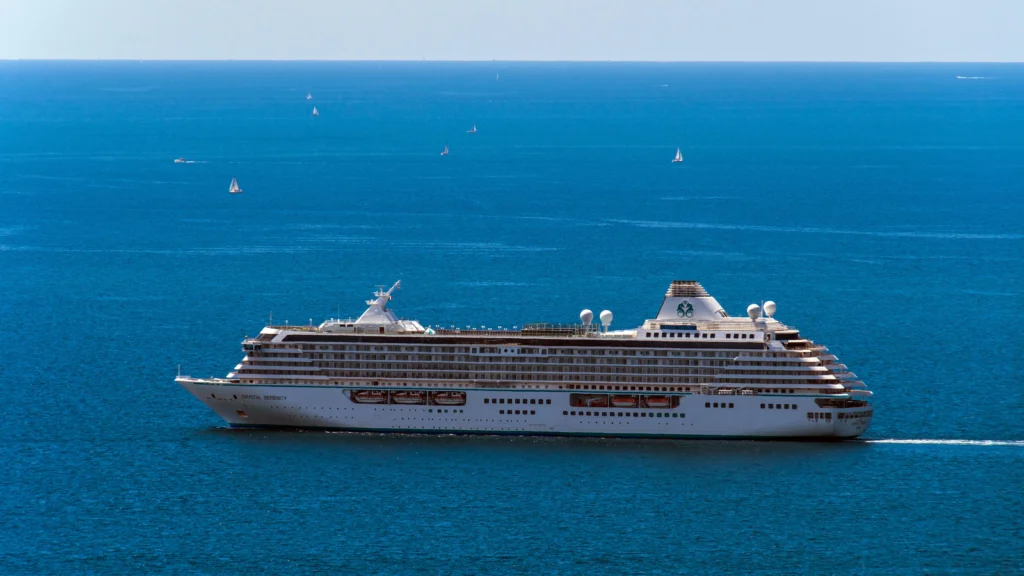
The World Health Organization (WHO) has issued urgent alerts to 12 countries following a hantavirus outbreak on board the South Atlantic expedition ship, MV Hondius. As of May 8, five infections have been confirmed, tragically resulting in three deaths. The international nature of cruise travel has raised concerns about the virus’s potential spread, prompting global efforts to enhance travel safety.
Twelve countries—including the United States, United Kingdom, Canada, Germany, Singapore, and New Zealand—have been asked to ramp up surveillance, monitoring, and contact tracing. This is due to passengers disembarking and returning home before the outbreak was identified. Authorities stress that travelers who recently took cruises in the South Atlantic should watch for symptoms like fever, fatigue, and muscle aches.
The outbreak is particularly concerning due to the Andes strain of hantavirus, which—unlike most strains that spread from rodents—has, in rare cases, been associated with person-to-person transmission. The virus’s long incubation—weeks before symptoms appear—makes contact tracing complex. In severe cases, the virus leads to hantavirus pulmonary syndrome, a potentially life-threatening respiratory condition.
While no travel bans have been implemented, the outbreak has prompted some adjustments. Travelers may face increased health screenings at ports, especially in regions where the ship docked. The cruise industry has responded by tightening sanitization protocols, although authorities like the CDC maintain that the risk to the general public remains minimal. Eco-tourism travelers to remote South American regions are urged to remain cautious.
With major global events on the horizon—like the 2026 World Cup—health officials will maintain heightened surveillance. Travelers are encouraged to stay informed, seek medical attention if symptoms develop, and follow official guidance to ensure safe travel.