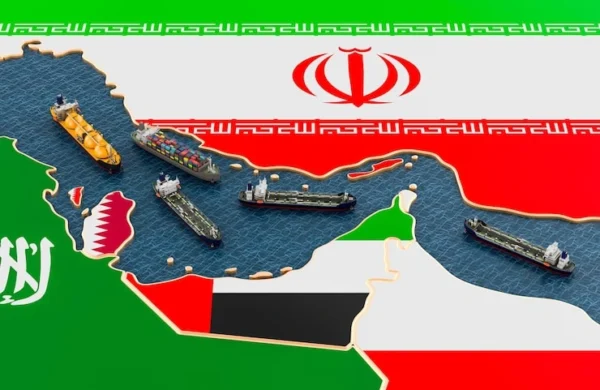
Germany, the United Kingdom, France, Sweden, Latvia, Czechia, Estonia and several other European nations are entering a turbulent summer tourism season as rising fuel prices, escalating transport costs and ongoing tensions surrounding the Strait of Hormuz drive widespread uncertainty across the travel industry.
The continuing Middle East conflict has significantly disrupted global energy markets, tightening oil supply routes and triggering sharp increases in aviation fuel and transportation expenses worldwide. The resulting surge in operational costs is already affecting airlines, rail operators, ferry companies and tourism providers throughout Europe, leading to higher airfares, adjusted schedules and mounting pressure on summer travel demand.
Travel businesses across Europe are now rapidly adapting pricing models, transportation schedules and tourism packages as consumers become increasingly cautious about spending and long-haul holiday planning.
Germany Faces Mounting Tourism and Transport Pressure
Germany, Europe’s largest economy and one of the continent’s most important tourism and aviation markets, is experiencing substantial increases in travel-related operating costs.
Airlines operating through major hubs including Frankfurt, Munich and Berlin are confronting higher fuel expenses, contributing to increased airfare pricing and operational adjustments. Package holiday providers and transport companies are also introducing fuel-related surcharges as energy costs continue rising.
Tourism operators warn that urban tourism destinations and business travel markets may experience shifts in visitor behavior as travelers seek more affordable alternatives and shorter itineraries.
German travelers are increasingly prioritizing flexible bookings and monitoring flight schedules closely amid concerns over delays and changing transportation conditions.
UK, France and Sweden Experience Rising Tourism Costs
The United Kingdom is also seeing significant tourism disruption linked to higher petrol and diesel prices affecting both domestic and international travel.
Road trips, countryside tourism and coastal holiday destinations are becoming more expensive for British travelers as accommodation providers and transport operators adjust prices to reflect rising energy costs. Airports in London and Manchester continue facing operational pressures linked to increased airline expenses.
France’s tourism sector is similarly responding to escalating fuel costs across aviation, rail and hospitality operations. Tourism centers including Paris, Lyon, Marseille and Nice are witnessing increases in package holiday pricing, transportation expenses and operational surcharges.
Sweden has experienced substantial impacts across transport-intensive tourism sectors. Ferry services, rental vehicle operators and guided tourism providers in Stockholm, Gothenburg and Malmö are all adjusting pricing structures while warning travelers to prepare for possible schedule disruptions.
Industry experts note that fuel-sensitive markets across Northern and Western Europe remain especially vulnerable due to heavy dependence on aviation and maritime tourism connectivity.
Eastern and Baltic Europe Also Confront Tourism Volatility
Countries including Latvia, Estonia and Czechia are also experiencing growing pressure within tourism and transportation sectors.
Latvia has reportedly seen some of the sharpest relative increases in tourism-related transportation costs within the European Union. Riga and coastal tourism areas are adjusting pricing for excursions, ferry services and guided tours as operators attempt to offset rising fuel expenses.
Estonia’s tourism sector is similarly navigating operational cost increases affecting ferry services, maritime tourism and local transport infrastructure, particularly around Tallinn and nearby coastal regions.
In Czechia, tourism providers in Prague and other major visitor centers are increasing prices for sightseeing tours, group transportation and public tourism services as diesel and fuel-related costs continue rising.
The growing pressure across Central and Eastern Europe highlights how energy market volatility is impacting both large and smaller tourism economies throughout the continent.
Southern Europe Faces Airfare and Ferry Cost Increases
Popular Mediterranean tourism destinations including Italy, Spain and Greece are also confronting mounting challenges tied to rising operational expenses.
Italy’s tourism industry has experienced increasing transportation and hospitality costs across destinations including Rome, Florence, Venice and Milan. Airlines, coaches and rail services have implemented fuel surcharges that are now influencing overall holiday pricing for both domestic and international visitors.
Spain’s tourism hotspots such as Barcelona, Madrid and Seville are seeing similar trends, while island destinations including the Balearics and Canary Islands remain particularly exposed due to heavy dependence on aviation and maritime connectivity.
Tourism operators throughout Southern Europe continue adjusting package pricing and excursion costs while promoting value-focused travel options aimed at maintaining demand despite rising expenses.
Airlines and Tour Operators Adapt to Fuel Market Volatility
Across Europe, airlines and tourism providers are implementing strategic adjustments to manage operational risks associated with surging energy costs.
Many carriers are revising flight schedules, reducing route frequencies and introducing fuel-related pricing changes to offset rising expenses. Ferry operators and coach companies are also making temporary timetable modifications while increasing transparency regarding potential surcharges.
Tour operators are increasingly promoting regional and intra-European travel as alternatives to expensive long-haul holidays, particularly for price-sensitive consumers concerned about airfare volatility.
Hospitality providers meanwhile are emphasizing flexible booking policies and value-driven packages in order to maintain traveler confidence during an increasingly unpredictable tourism season.
Travelers Become More Price Conscious in 2026
The rising cost environment is significantly changing traveler behavior across Europe and international source markets.
Tourists are increasingly shortening trips, delaying bookings and prioritizing destinations perceived as offering better value and greater operational reliability. Demand for flexible cancellation policies and transparent pricing structures has also increased sharply as travelers seek protection against possible disruptions.
Industry analysts expect price-sensitive travel behavior to remain one of the defining characteristics of the 2026 tourism season.
Digital monitoring of airline schedules, fuel prices and transportation updates is also becoming more common as travelers attempt to navigate rapidly changing conditions.
Strait of Hormuz Crisis Creates Broader Global Tourism Uncertainty
The ongoing instability affecting the Strait of Hormuz has reinforced how closely interconnected global tourism remains with energy markets and geopolitical developments.
Airlines worldwide continue monitoring fuel availability and pricing trends while governments and tourism authorities assess the broader economic impact on travel demand, hospitality performance and transportation infrastructure.
Although Europe’s tourism industry has demonstrated resilience during previous crises, the combination of elevated energy costs, operational complexity and consumer caution presents a significant challenge for the 2026 summer season.
Europe’s Tourism Industry Faces Critical Summer Season
Germany, Latvia, the United Kingdom, Sweden, France, Czechia, Estonia and many other European tourism markets are now navigating one of the most cost-sensitive travel environments in recent years.
Rising fuel prices, airline surcharges, transport disruptions and geopolitical uncertainty are collectively reshaping travel behavior across the continent. While tourism demand remains present, operators must adapt quickly to maintain competitiveness, reassure travelers and deliver value-driven experiences amid escalating operational pressures.
The coming months are expected to test the flexibility and resilience of Europe’s tourism and aviation sectors as destinations work to balance rising costs with continued demand for international travel.
For more travel news like this, keep reading Global Travel Wire