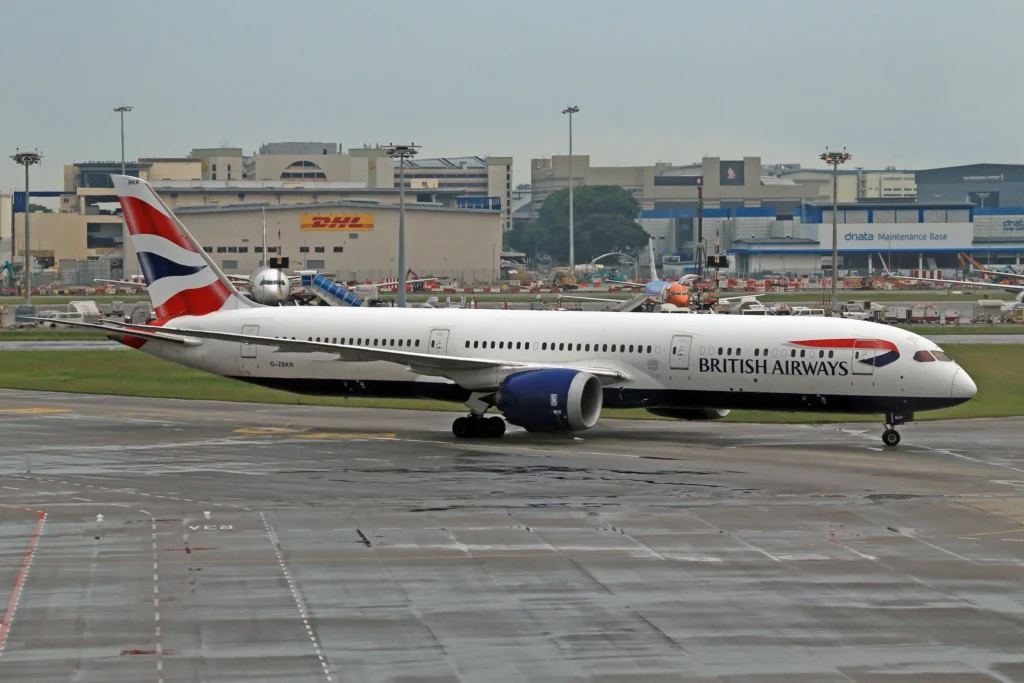
The intricate logistics of international aviation frequently necessitate creative operational solutions. In an interesting development for the commercial aviation sector, British Airways has opened recruitment for a highly specialized ground operations position based at Chicago O’Hare International Airport. The airline is seeking experienced aviators to fill the role of “ground taxi pilot,” offering an attractive annual base salary ranging from $90,000 to $100,000.
What makes this specific recruitment drive distinct within the industry is its strict operational parameters: the position involves absolutely no flight duties. Instead, the selected candidates will remain entirely on the ground, tasked with maneuvering some of the world’s largest commercial widebody aircraft across the complex taxiway network of one of the busiest global transit hubs.
Navigating the Airport Layout and Strategic Alliances
The decision by the United Kingdom’s flag carrier to establish a dedicated taxi crew stems from a unique operational configuration at Chicago O’Hare International Airport. Due to federal processing regulations, all incoming international British Airways flights must arrive at Terminal 5, which houses the airport’s comprehensive U.S. Customs and Border Protection facilities.
However, because of the robust transatlantic joint business agreement between British Airways and American Airlines, departing flights are scheduled out of Terminal 3. This arrangement allows seamless connectivity for thousands of transit passengers transferring between international routes and domestic networks.
To bridge this geographical gap between arrivals and departures, the aircraft must be physically relocated across the airfield. By employing a specialized ground crew to manage this transfer, the carrier ensures arriving flight crews do not exceed strict statutory duty time limitations, thereby safeguarding systemic on-time performance.
Operational Safety and Technical Demands on the Ground
While many global airports utilize heavy pushback tug vehicles and ground handling equipment to relocate aircraft between terminals, local conditions and efficiency considerations at Chicago O’Hare make it safer and more practical to move the aircraft under their own engine power.
According to the official job specifications published by the airline, successful applicants will assume full responsibility for the ground maneuvering of both Boeing 777 and Boeing 787 Dreamliner aircraft. Operating these massive commercial airliners amidst active taxiway traffic requires a precise understanding of specialized aviation protocols.
The official criteria for the position demand that candidates possess:
A valid Airline Transport Pilot (ATP) certificate or its verified equivalent.
Comprehensive, recent experience operating Boeing 777 or Boeing 787 platforms as a Captain or First Officer.
An impeccable, documented track record of aviation safety.
Thorough familiarity with the complex layout, active construction zones, and communication protocols unique to the Chicago airfield.
The role functions on a shift-based schedule, covering early mornings, late nights, and weekends to stay closely aligned with transatlantic flight arrival and departure windows.
A Strategic Opportunity for Semi-Retired Aviators
From a financial perspective, a base salary cap of $100,000 falls below the standard entry-level compensation packages for active first officers at major domestic commercial carriers in the United States, where first-year salaries frequently exceed $117,000. Consequently, industry experts indicate that this ground-based role is strategically tailored for a very specific demographic of professionals.
The position offers an ideal transition for semi-retired or recently transitioned airline pilots. In commercial aviation, statutory age limits and rigorous medical certifications govern the ability of pilots to command commercial flights in active airspace. However, these restrictive regulations do not apply to operating aircraft at low speeds on the ground.
This enables highly experienced veterans to leverage decades of heavy-aircraft familiarity and specialized airfield knowledge in a stable, low-stress environment without leaving the aviation ecosystem.
Optimizing Fleet Efficiency and Environmental Impact
Beyond solving immediate crew scheduling challenges, the implementation of dedicated ground taxi pilots contributes directly to organizational efficiency goals. Widebody aircraft like the Boeing 777 consume considerable fuel even while moving on the ground, making precise, efficient taxi routines financially and environmentally significant.
By utilizing specialists who are thoroughly versed in local ground control communication patterns and optimal routing, the airline aims to minimize unnecessary engine idle times and reduce ground-level emissions. This specialized focus helps streamline turnaround times, ensuring that aircraft are properly positioned, inspected, and ready for boarding well ahead of their scheduled transatlantic departures.
For more travel news like this, keep reading Global Travel Wire