Paris has returned to the center of Europe’s sleeper rail revival as the Paris–Berlin night train resumes service and new overnight connections reshape travel choices across the continent. The 2026 expansion strengthens the appeal of rail for city breaks, multi-country holidays and lower-impact journeys, while also highlighting the operational pressures facing one of Europe’s most closely watched tourism trends.
The renewed Paris–Berlin service gives travelers a direct overnight link between two major European capitals, with Brussels and Aachen also connected along the route. The return creates a practical alternative for visitors who want to avoid airport transfers, reduce daytime travel and arrive closer to city-center hotels, attractions and business districts.
At the same time, the sleeper rail market is widening beyond the French and German capitals. A new Brussels–Milan overnight service is scheduled to begin in September 2026, linking Belgium and Germany with Switzerland, Lake Como and Milan. From December, the timetable is set to expand with additional stops including Antwerp, Breda and Eindhoven, opening the route to more travelers across the Benelux region.
New Sleeper Routes Support City Break Demand
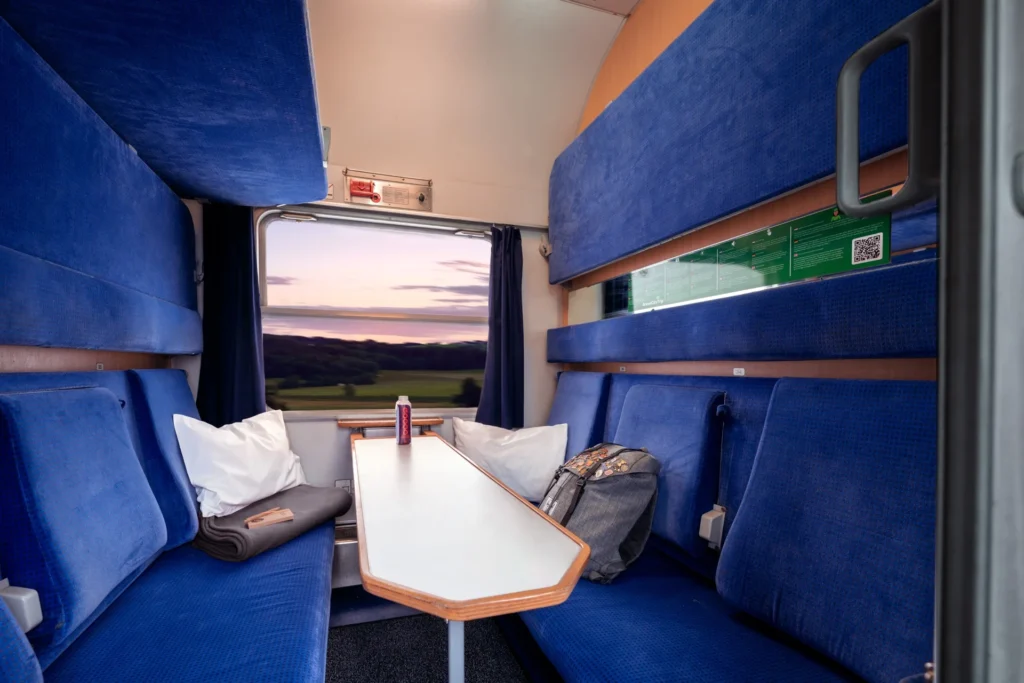
The changes arrive as European destinations compete for visitors seeking more flexible and experience-led journeys. Night trains combine transportation with accommodation, allowing passengers to board in the evening and wake up in a different city the next morning. For tourism businesses, this can support weekend demand, encourage multi-destination itineraries and generate spending around stations, restaurants, hotels and cultural attractions.
Paris, Berlin, Brussels and Milan are especially well positioned to benefit. Each city already attracts strong international demand, but improved overnight connections make it easier to link several destinations without adding flights. This creates fresh opportunities for rail-based holidays that include food tourism, museums, shopping, events and short stays.
The Brussels–Milan route could also strengthen access to destinations beyond major capitals. Stops serving Zürich, Lugano and Lake Como add new options for travelers planning scenic rail journeys, Alpine escapes and northern Italy itineraries. The service gives tourism operators another way to package city, lake and mountain experiences within a single trip.
Seasonal Rail Travel Expands Tourism Options
Elsewhere, overnight rail continues to support seasonal tourism. ÖBB’s summer EuroNight service connects Vienna and Graz with Split, offering direct access to Croatia’s Adriatic coast. The route is particularly relevant for leisure travelers heading to beaches, islands, cruises and coastal hotels during the peak holiday season.
Northern Europe is also attracting attention. Snälltåget has announced an overnight journey from Malmö through Stockholm to Narvik in late November 2026, with stops including Abisko and Björkliden. The limited seasonal service is designed around northern lights travel, giving visitors a rail-based route to Arctic landscapes and winter tourism experiences north of the Arctic Circle.
These developments show how sleeper trains can serve more than capital-city travel. They can also open access to nature, coastal destinations, winter attractions and regional hospitality businesses that benefit from longer stays and higher visitor spending.
Rail Growth Still Faces Major Challenges
Despite the renewed momentum, Europe’s night-train network remains under pressure. Rolling-stock availability, track works, cross-border coordination and timetable complexity continue to affect expansion. Overnight trains are particularly exposed to infrastructure disruption because maintenance often takes place during the same hours that sleeper services need access to rail corridors.
The sector also needs sustained investment in modern carriages. Travelers increasingly expect private compartments, comfortable sleeping options, reliable booking systems and clear connections. Operators that meet those expectations can attract customers who may otherwise choose short-haul flights or overnight hotel stays.
European transport policy continues to support stronger rail connectivity. Plans to improve cross-border services and accelerate rail development are intended to make train travel faster, more reliable and more competitive. For tourism, the impact could be significant as destinations seek practical ways to reduce emissions while maintaining visitor growth.
Europe Night Trains Gain Strategic Importance
The 2026 sleeper rail shake-up is not simply a transport story. It is becoming a tourism story with direct implications for destinations, hotels, attractions and traveler behavior.
Paris–Berlin has returned, Brussels–Milan is preparing to launch, Vienna–Split remains valuable for summer travel, and Arctic rail experiences are creating new reasons to explore Scandinavia. The network still faces serious constraints, but demand for overnight rail is pushing sleeper trains back into the heart of Europe’s tourism conversation.
For more travel news like this, keep reading Global Travel Wire