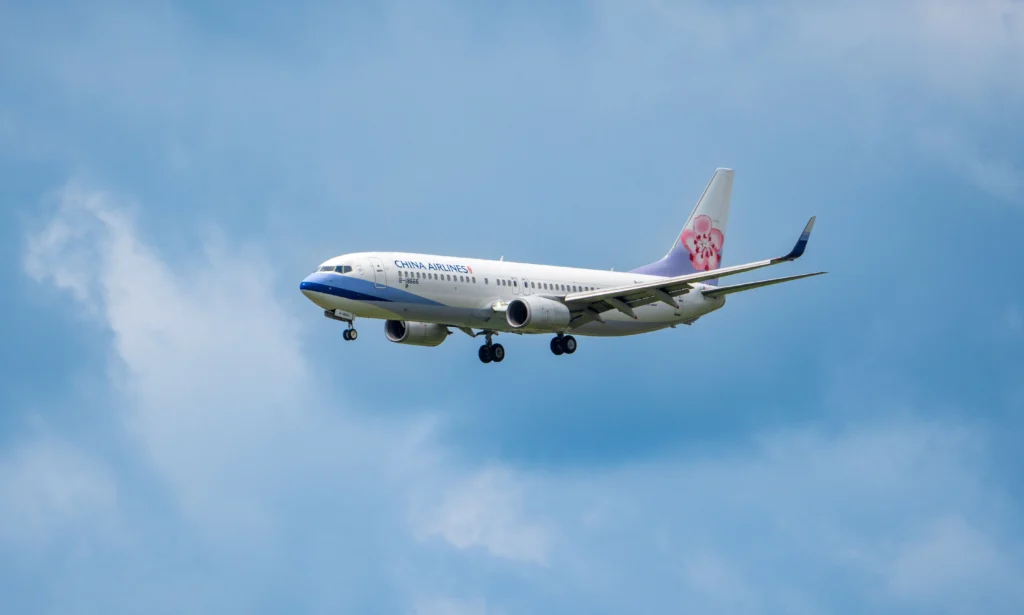
The commercial aviation sector in East Asia is executing a series of highly calculated adjustments as major air hubs adapt to evolving regional tracking parameters and high-density route optimization. According to recent performance metrics distributed by civil aviation administrations and regional transport ministries, multiple prominent domestic carriers are introducing strategic measures to realign operational flows. These widespread China flight schedule adjustments are structurally reconfiguring departure windows, passenger seat capacities, and fleet rotations across the nation’s key transport gateways.
Data monitored across key tracking networks indicates that civil aviation management groups are closely pacing air traffic to ensure maximum system resilience. Rather than maintaining rigid historical timetables under dense regional conditions, major airlines have proactively smoothed their schedules. Across eight primary transportation gateways, these necessary operational refinements have resulted in a total of 116 scheduled cancellations and 1,572 timed departures experiencing variable operational lag over a localized reporting cycle, allowing legacy operators to stabilize primary flight banks.
Analyzing Operational Routing Adjustments Across Key Eastern and Southern Strongholds
The coordinated implementation of these timetable variations is most apparent within high-volume commercial hubs, where multi-directional connecting routes intersect. By systematically shifting departure sequences, airport management boards are aiming to mitigate long-term gate congestion.
Guangzhou Baiyun International Airport, a primary aviation fortress for Southern China, managed a substantial volume of these controlled scheduling revisions. Operational tracking logs registered 566 departures experiencing standard flight-path padding alongside 26 planned cancellations. Legacy carriers like China Eastern Airlines and Hainan Airlines absorbed the majority of these adjustments to maintain secure aircraft rotations, while China Southern Airlines utilized its extensive regional footprint to systematically buffer its dense local flight banks.
Concurrently, prominent corporate and industrial hubs along the eastern coast integrated matching capacity boundaries. Shanghai Hongqiao International Airport handled 249 minor departure adjustments alongside 21 structural cancellations, requiring careful coordination among terminal operators, gate crews, and short-haul regional networks like Juneyao Airlines and Shanghai Airlines. Further inland, Hangzhou Xiaoshan International Airport absorbed a parallel baseline of 282 timing variations and 7 cancellations, primarily impacting localized commuter routing to adjacent regional business centers.
Regional Variations: Assessing Northern and Western Gateways
The broader strategy of balancing intense international arrivals against domestic capacity parameters extended predictably into the capital region and western logistical hubs. Civil aviation logs confirm that these tactical adjustments are synchronized across multiple geographic zones to ensure that localized bottleneck pressures do not compromise broader intercontinental corridors.
At Beijing Capital International Airport, operators established tighter, optimized flight structures. The capital facility implemented 149 minor schedule variations alongside 33 targeted cancellations, with flag carrier Air China managing the highest volume of controlled adjustments to protect its primary long-haul international networks. In the west, Chengdu Shuangliu International Airport managed a highly resilient baseline, logging 144 timed adjustments and 9 scrubbed routes, utilizing advanced ground-handling protocols to mitigate extended terminal overstays.
The scope of these day-to-day network fluctuations is further illustrated by official data tracking from several secondary regional gateways:
Changsha Huanghua International Airport: Logged 77 instances of timed schedule revisions alongside 8 controlled route cancellations, with China Eastern Airlines and 9 Air adapting regional commuter blocks.
Hefei Xinqiao International Airport: Recorded 59 flight departures experiencing standard timing modifications alongside 6 structural cancellations.
Hohhot Baita International Airport: Registered 46 timed adjustments and 6 cancellations, primarily managed through China Express Airlines’ regional network.
Frameworks for Consumer Protection and Passenger Rights
To preserve passenger confidence during periods of extensive scheduling adjustments, the Civil Aviation Administration of China (CAAC) enforces comprehensive consumer defense rules. These government mandates ensure that travelers remain fully insulated from financial losses stemming from uncontrollable operational or technical capacity constraints.
Under standard regulatory provisions, if an air carrier introduces a significant schedule change, implements an unexpected delay exceeding established time thresholds, or cancels a scheduled service entirely, the passenger retains explicit consumer remedies. Airlines are legally required to provide complimentary rebooking options onto the next available departure window or execute a full ticket refund with zero administrative penalties. For international or domestic transit travelers facing extended layovers due to misaligned connecting flights, carriers continue to provide necessary terminal welfare benefits, including meal vouchers, ground transfers, and overnight hotel accommodations through structured ground-handling programs.
Strategic Planning Guidelines for Modern Travelers
As international air networks transition toward highly monitored, flexible scheduling frameworks built around strict fleet utilization margins, global travelers must adopt highly organized transit habits. Travel authorities strongly advise checking real-time flight statuses via official carrier mobile applications before departing for any primary terminal, as digital platforms receive automated updates significantly faster than airport display boards.
Passengers coordinating complex itineraries between East Asian source markets and Western destinations should ensure that connecting windows feature generous time buffers to absorb potential ground delay programs. Furthermore, transport boards recommend securing comprehensive travel insurance policies featuring robust trip interruption clauses, ensuring absolute protection for verified hotel bookings and secondary travel deposits.
For more travel news like this, keep reading Global Travel Wire