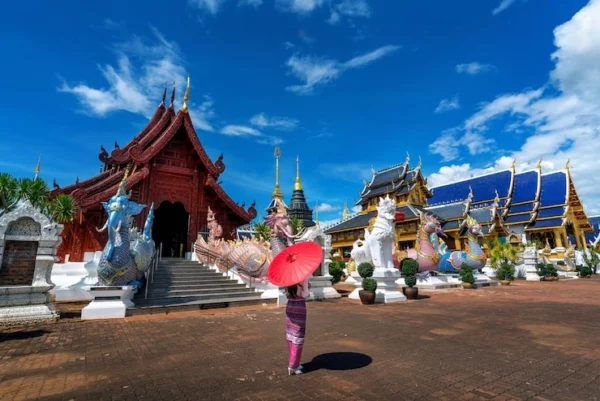
Southeast Asia’s tourism recovery faces a fresh test as the conflict involving Iran disrupts Middle East air corridors, raises aviation costs and reshapes long-haul connectivity into Asia. Thailand, Vietnam, Cambodia and other regional destinations remain open to visitors, but airlines, hotels and tourism businesses are entering the summer season with a more uncertain operating environment.
The immediate pressure is coming from aviation. Middle East hubs play a major role in connecting Europe, the Americas and Africa with Asia-Pacific destinations. When routes are suspended, reduced or redirected, travellers can face fewer flight choices, longer journeys and more expensive tickets. That can weaken demand for beach holidays, cultural trips, city breaks and multi-country itineraries across Southeast Asia.
Gulf Flight Disruption Reaches Asia-Pacific Routes
The disruption has been substantial. During the first seven days of March 2026, around 85% of flights arriving at or departing from Gulf airports were cancelled. By the end of that month, fewer than half of the flights originally scheduled from those airports were operating. Airlines also reduced close to one-quarter of planned May capacity to and from the Middle East compared with schedules prepared before the escalation.
The effects extend well beyond the conflict zone. In 2025, around one-third of passengers travelling to or from Asia-Pacific transited through the Middle East. This makes the region particularly sensitive to reduced capacity at major transfer hubs. While airlines outside the Middle East have added some seats, the replacement capacity has not fully offset the lost services.
For Southeast Asian tourism, the concern is practical. European travellers heading to Bangkok, Phuket, Hanoi, Ho Chi Minh City, Siem Reap or other regional gateways may need to change routes, accept longer connections or reconsider travel dates. Tour operators and hotels may also see shorter booking windows as travellers wait for clearer flight options.
Jet Fuel Prices Add Cost Pressure
Fuel costs are another growing challenge. The latest global average jet fuel price reached $159.85 per barrel, despite easing slightly from the previous week. Fuel is one of the largest airline operating expenses, so prolonged volatility can place pressure on fares, surcharges, route planning and flight frequency.
The risk is especially important for tourism-dependent destinations that rely on affordable long-haul access. Higher airfares can affect families, group tours and budget-conscious travellers first. Premium travel may also shift if passengers choose destinations with simpler routes or shorter travel times.
Potential jet fuel shortages have added another layer of uncertainty. By mid-April, aviation industry officials were already warning that cancellations linked to fuel availability were occurring in parts of Asia. Travellers should monitor airline updates closely, particularly when itineraries involve Middle East connections.
Thailand, Vietnam and Cambodia Watch Summer Demand
Thailand, Vietnam and Cambodia have spent recent years rebuilding international visitor demand and expanding destination appeal. Thailand’s beaches, cities and islands remain major regional draws. Vietnam continues to attract travellers with urban experiences, coastal resorts and heritage destinations. Cambodia depends heavily on cultural tourism linked to Angkor and the wider Siem Reap visitor economy.
The current disruption does not mean travel across Southeast Asia has stopped. However, it increases the risk of softer bookings, more cautious consumer behaviour and higher operating costs for tourism businesses. Hotels, restaurants, local transport operators, guides and attractions could feel the impact if long-haul arrivals weaken during the summer period.
Regional economies also face a broader challenge. The Middle East conflict has disrupted energy markets and increased inflation risks across Asia and the Pacific. More expensive transport, food and utilities can squeeze hospitality margins even when visitor numbers remain stable.
Travellers Need Flexible Plans
Visitors planning Southeast Asia trips should check flight schedules before departure, review transit-country requirements and confirm travel insurance coverage. Flexible bookings may offer additional protection when routes change at short notice.
Airlines and tourism authorities will also need to maintain clear communication. Reliable updates, targeted destination promotions and practical traveller guidance can help preserve confidence while air networks adjust.
Southeast Asia remains one of the world’s most attractive tourism regions. Yet the conflict involving Iran shows how quickly events far beyond the region can influence airline connectivity, visitor costs and hospitality revenue. The coming months will reveal whether rerouted capacity and resilient traveller demand can protect the region’s tourism recovery.
For more travel news like this, keep reading Global Travel Wire