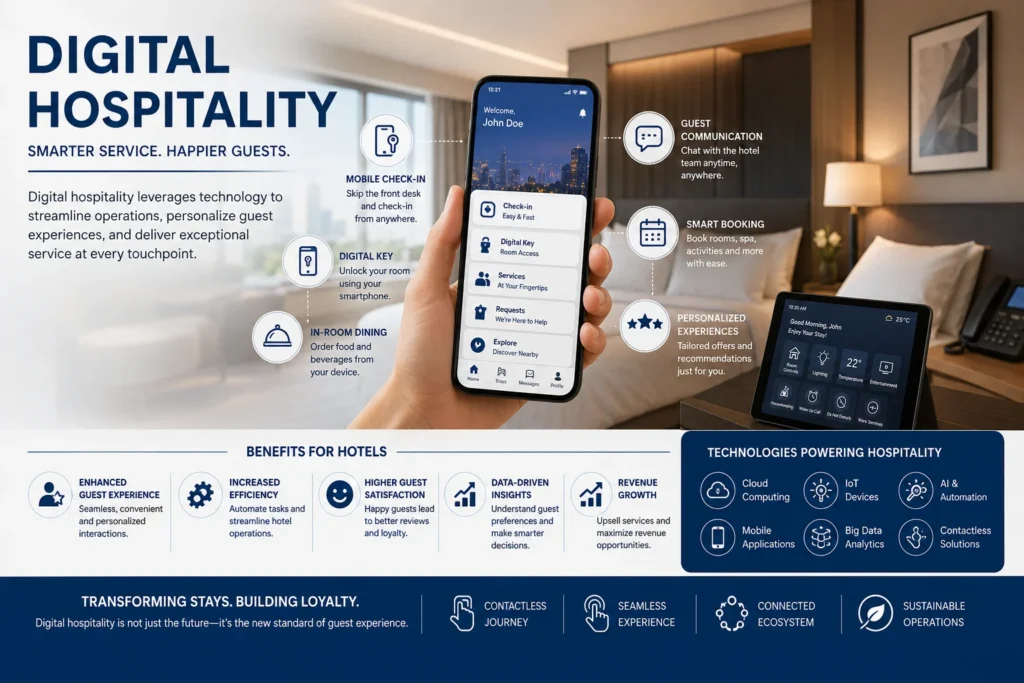
The international travel and hospitality sector is managing a profound technology-driven realignment as digital platforms transition from consumer-facing booking channels into core structural operating infrastructure. According to recent software deployment portfolios and institutional updates released by international civil aviation and lodging trade registries, South Korean travel-technology enterprise Yanolja has systematically accelerated its business-to-business (B2B) ecosystem strategy. This targeted rollout focuses on deploying advanced vertical artificial intelligence (AI) networks alongside a calculated physical infrastructure expansion across Europe’s primary Mediterranean travel markets.
Official public briefs published by the Seoul-based hospitality group indicate a deliberate shift toward capturing a larger share of the enterprise software market. Rather than relying solely on traditional transaction commission margins from its domestic online travel agency (OTA) branches, the company’s corporate data underscores a structural pivot toward higher-margin software-as-a-service (SaaS) frameworks. By anchoring its international operations inside integrated cloud ecosystems, the travel-tech provider currently manages over 80,000 active solution licenses across 170 countries, helping worldwide hotels and supply chains unify fragmented data architectures into automated, real-time operating pipelines.
Consolidating the Iberian Market: Inside the Go Global Spain Logistics Hub
A central component of this international growth strategy relies on establishing localized, high-capacity commercial hubs to directly service complex regional supply chains. By utilizing specialized corporate operations, the firm has reinforced its permanent cross-border footprint through the expansion of its dedicated Yanolja Go Global Spain corporate facility, strategically located in Mataró within the Barcelona metropolitan province.
Public records issued by regional destination management agencies outline how this localized Iberian hub operates as an integrated, multi-disciplinary service center for the South European market. The Mataró facility unifies four critical corporate dimensions—direct enterprise sales, day-to-day software operations, regional network optimization, and local product customization—under a single management structure.
By utilizing localized technical expertise, the facility provides comprehensive support to hospitality operators across Spain and Portugal, facilitating the rapid onboarding of property management software and channel orchestration tools. Hospitality business summaries indicate that establishing a physical, on-the-ground technical presence inside primary European source markets dramatically improves client retention metrics, safeguards recurring SaaS revenue streams, and enables on-site engineering teams to quickly deploy critical operational modifications tailored directly to Mediterranean travel trends.
The AI-Native Paradigm: Restructuring Global Hospitality Networks
Beyond regional physical expansion, the company’s forward-looking framework is anchored by a complete institutional shift toward becoming an AI-native travel enablement platform. Through its proprietary enterprise initiatives, known globally as the YanoljaNEXT framework, the organization is integrating artificial intelligence not merely as a superficial add-on feature, but as a foundational infrastructure layer designed to re-engineer standard hospitality logistics.
Technical infrastructure reports highlight that the global travel ecosystem remains heavily hindered by fragmented, siloed data pools scattered across legacy property management systems (PMS), independent central reservation networks, and localized point-of-sale terminals. To address these systemic bottlenecks, the platform utilizes advanced cloud-based artificial intelligence to dynamically map and analyze multi-property hotel operations from a centralized system of record.
This AI-driven data solution completely automates aircraft and lodging inventory updates across more than 170 global sales channels simultaneously, preventing standard industry challenges like overbookings and manual rate-adjustment delays. Furthermore, according to international travel platform indices, the deployment of intelligent revenue engines capable of automatically analyzing localized market demand trends, seasonal flight volumes, and local competitor pricing has demonstrated an ability to improve revenue per available room (RevPAR) metrics for global partners by a verified average of 18 percent.
Institutional M&A Strategies Driving Enterprise Platform Resilience
To further cement its position as a primary provider of global hospitality cloud solutions, the enterprise has actively accelerated its international merger and acquisition (M&A) pipeline. Public investment declarations verified earlier this year confirm that the group, via its specialized B2B arm Yanolja Cloud Solution (YCS), finalized the complete acquisition of InnKey, a prominent cloud-native enterprise hospitality platform celebrated for managing multi-property resort groups.
According to statements issued by the civil aviation and corporate development directorates, the integration of InnKey’s advanced enterprise architecture allows the parent entity to deliver a highly robust system capable of handling complex international accounting codes, multi-currency transactions, and strict data security protocols required by tier-one international hotel groups. By anchoring these corporate assets into its broader global network, the enterprise has rapidly expanded its target market across high-growth leisure corridors in South Asia and the Middle East, seamlessly scaling its platform to accommodate everything from boutique independent properties to multinational hotel franchises.
Practical Management Tips for Modern Destination Managers
As international hospitality platforms transition toward heavily monitored, automated operational models to control overhead costs, regional destination executives and lodging operators must adapt their technical frameworks. Implementing standard modern infrastructure precautions helps minimize operational friction:
Unify Fragmented Operating Systems: Systematically transition properties away from traditional offline databases toward cloud-native solutions that centralize front-desk operations, food and beverage logistics, and revenue management.
Prioritize Secure Real-Time Distribution: Integrate verified channel management software to ensure that room rates and availability sync instantly across international booking channels, protecting properties from scheduling lags.
Deploy Automated Guest Interactivity: Leverage specialized vertical AI platforms to manage standard traveler communications, digital check-in cycles, and mobile express checkouts, allowing human resources to focus exclusively on the physical guest experience.
Monitor Localized Revenue Analytics: Utilize automated dynamic pricing engines to capture immediate travel demand spikes driven by unexpected regional flight frequency changes or local event bookings.
By treating digital connectivity and enterprise cloud automation as basic operational utilities, modern hospitality groups can maximize overall commercial yield while insulating their business models from global supply chain volatility.
For more travel news like this, keep reading Global Travel Wire