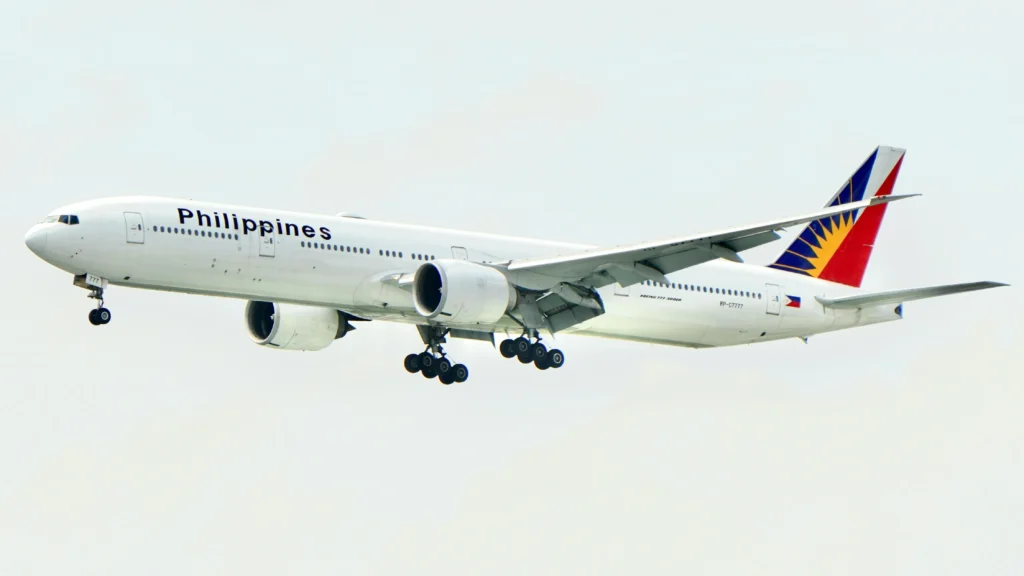
The structural layout of commercial aviation networks across the Asia-Pacific territory is entering a significant phase of consolidation and partnership refinement. According to official diplomatic statements and corporate briefs distributed during the 82nd International Air Transport Association (IATA) Annual General Meeting in Rio de Janeiro, Brazil, the national flag carrier of the Philippines has finalized a major structural transition. By formally accepting an invitation to enter the Oneworld coalition, the Manila-based network operator is concluding decades of strategic autonomy, a move that introduces major shifts in how global airline partnerships distribute traffic across rapid-growth Southeast Asian holiday corridors.
The landmark announcement was confirmed through the signing of a formal Memorandum of Understanding (MOU) witnessed by international transport ministries and global carrier executives. The agreement transitions Philippine Airlines (PAL) into a member-designate status, positioning the historical network as the 16th full member airline under the centralized global brand. This integration establishes PAL as only the second full-service carrier headquartered within Southeast Asia to align with this specific alliance group, filling a critical geographic infrastructure gap and transforming Manila’s Ninoy Aquino International Airport into a major interconnected gateway for international leisure and corporate commuters.
Analyzing Strategic Drivers and the Shift Away from Independent Operations
The decision to join a structured global network marks a definitive departure from PAL’s long-standing operational model. Founded in 1941 as Asia’s first commercial carrier, the airline historically favored an independent business stance, relying on a localized network of individual codeshare agreements and bilateral flight coordinates to capture foreign market share. However, as international aviation faces significant macroeconomic pressures—including volatile jet fuel pricing and escalating airport handling overheads—independent operations have become structurally challenging for carriers seeking long-term margin stability.
Aviation development panels note that the choice to integrate into the Oneworld architecture, rather than pursuing opportunities with competing systems like Star Alliance or SkyTeam, reflects a highly calculated match of long-haul fleet assets. The alliance maintains an incredibly dominant presence across the transpacific and transatlantic flight paths through key anchor partners like American Airlines, British Airways, Japan Airlines, and Qantas. By linking its schedules into these established networks, the Philippine carrier gains immediate commercial visibility inside lucrative long-haul corporate travel markets, establishing a much stronger competitive position against larger state-supported carriers running adjacent regional networks.
Expected Timeline and Infrastructure Realignment Tasks
While the formal invitation has been extended and signed on South American soil, the process of achieving full operational integration requires a meticulous, multi-phase technical alignment. Historically, onboarding a full-service network operator into a multi-carrier alliance requires an administrative transition timeline spanning approximately 12 to 24 months, positioning full system readiness for the 2027 calendar year.
During this structural transition window, engineering panels and digital network administrators must execute comprehensive software realignments. This includes integrating complex global distribution systems, syncing interline baggage tracking programs, and mapping passenger service software to ensure seamless airport transfers across diverse international fields. Furthermore, the carrier will add 31 unique destinations throughout the Philippine archipelago and regional Asian sectors to the shared alliance matrix, an infrastructure expansion that gives international holidaymakers direct, single-ticket access to pristine coastal resorts like Boracay, Palawan, and Cebu via verified alliance flight channels.
Reciprocal Loyalty Enhancements and Passenger Premium Standards
For the traveling public and frequent flyer communities, the consolidation of global airline partnerships delivers substantial, tangible improvements to standard service delivery tracking. Once the integration phase achieves full compliance, members of the airline’s proprietary Mabuhay Miles program will gain complete access to reciprocal mile-earning and redemption options across all 15 partner carriers.
Statistical briefs distributed by customer service committees highlight the extensive scale of these upcoming passenger benefits:
Premium Lounge Access: Top-tier loyalty members gain entry privileges to more than 700 premium airport lounges worldwide, including dedicated branded flagship facilities located in major international transit hubs like Amsterdam Schiphol and Seoul Incheon.
Streamlined Check-In Infrastructure: Eligible travelers receive priority boarding access, fast-track baggage handling privileges, and dedicated First Class and Business Class terminal check-in zones across all partner networks.
Coordinated Interline Transfers: Flight itineraries featuring multiple alliance carriers will utilize unified ticketing structures, protecting passengers from unexpected baggage re-check requirements during complex long-haul transits.
Actionable Mobility Guidelines for Connected Transpacific Travelers
As regional aviation authorities and corporate carrier networks align their reservation systems to incorporate this major alliance expansion, international travelers should employ disciplined travel planning habits to protect their upcoming holiday itineraries:
Observe Mileage Expiration Rules: Continue monitoring your local loyalty program account balances closely during the transitional integration phase, ensuring all earned points remain active prior to the rollout of alliance-wide redemption grids.
Build Generous Hub Connection Times: When coordinate itineraries that combine independent regional segments with long-haul international flights, maintain a minimum three-hour layover to accommodate minor schedule optimizations.
Verify Terminal and Gate Locations Digitally: Utilize official carrier mobile applications to track real-time terminal changes, as partner airlines often consolidate their ground handling operations under shared airport facilities to maximize efficiency.
Secure Comprehensive Disruption Insurance: Maintain premium travel insurance policies featuring robust flight-delay and luggage compensation terms to protect advance resort investments from unexpected logistical realignments.
For more travel news like this, keep reading Global Travel Wire