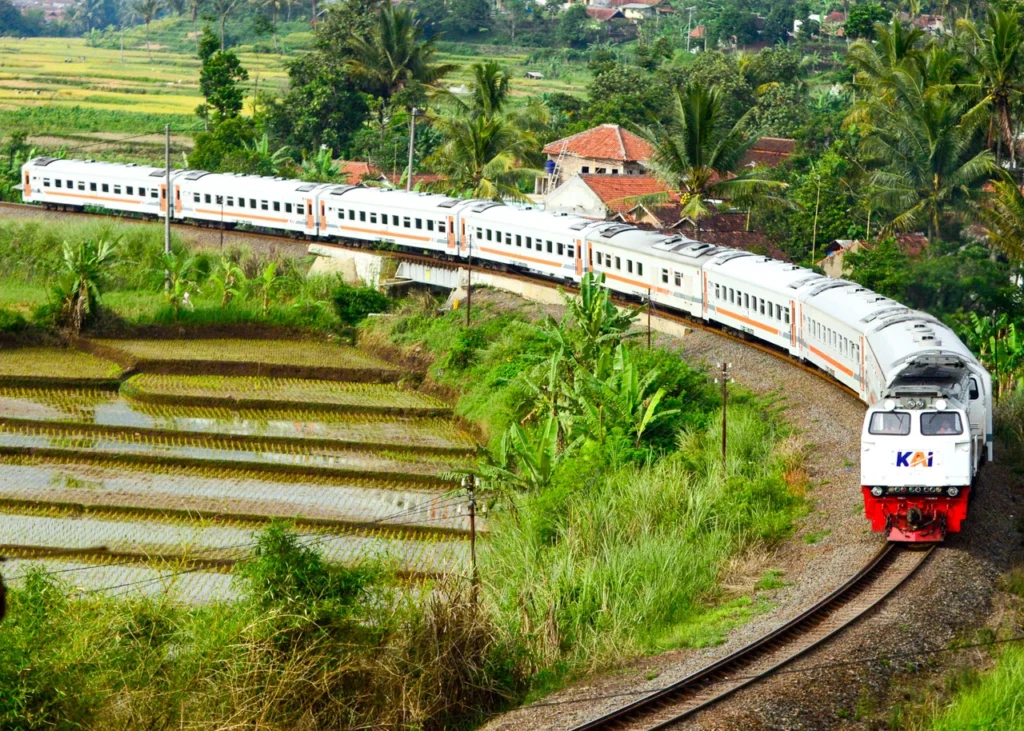
Indonesia is accelerating plans to expand its national railway network toward 10,524 kilometres by 2030, creating new opportunities for tourism growth, regional mobility and economic development across the world’s largest archipelagic nation.
The long-term railway strategy is designed to strengthen passenger travel, freight movement and urban transport while improving access beyond the country’s most established gateways. Rail infrastructure remains concentrated in Java and Sumatra, but future development is expected to widen connectivity across Sulawesi, Kalimantan, Papua and major metropolitan regions.
For travelers, the expansion could make domestic journeys easier to plan and support more diverse itineraries linking cities, airports, ports and regional attractions. For tourism businesses, improved rail access may help spread visitor demand beyond heavily traveled destinations and create new opportunities for hotels, restaurants, tour operators and local communities.
Rail Becomes a Key Part of Indonesia’s Travel Strategy
Indonesia’s geography makes transport planning especially complex. Flights remain essential for long-distance journeys between islands, ferries continue serving coastal communities and roads carry a large share of domestic traffic.
However, rail can strengthen the wider travel system by moving large numbers of passengers efficiently across high-demand corridors. Better train services can reduce road congestion, support airport transfers and improve connectivity between urban centers and tourism districts.
The 10,524-kilometre goal should be understood as a target rather than a completed operating network. Reaching that ambition will require sustained investment, project delivery and coordination across multiple regions.
The strongest near-term impact is likely to remain in Java, where population density, established rail use and tourism demand create favorable conditions for service improvements.
Java Remains the Center of Rail-Based Tourism
Java already supports some of Indonesia’s busiest passenger corridors. Major destinations including Jakarta, Bandung, Yogyakarta, Solo, Semarang and Surabaya are connected by rail, allowing travelers to combine urban tourism, heritage attractions, culinary experiences and business trips.
Improved rail capacity can strengthen short-break travel and multi-city itineraries. Visitors arriving in Jakarta may continue to Bandung or Central Java, while travelers exploring Yogyakarta can extend journeys toward Solo, Semarang or East Java.
The network also supports the hospitality sector. Hotels near stations can benefit from stronger passenger flows, while tour operators can create rail-focused travel packages that reduce dependence on domestic flights and private road transport.
Sumatra, Sulawesi and Kalimantan Gain Strategic Importance
Outside Java, rail expansion has the potential to support more balanced regional development.
Sumatra’s rail corridors can improve passenger mobility while supporting freight transport linked to ports, industry and agriculture. Better connections between cities and regional gateways may also create new tourism opportunities for destinations that currently receive fewer visitors.
Sulawesi represents another important growth area. Rail development can strengthen links between urban centers, ports and economic zones while improving travel access for residents and visitors.
Kalimantan could become a major long-term rail frontier as new growth areas attract investment and infrastructure development. Carefully planned transport connections may support business travel, nature tourism and regional mobility while protecting sensitive environmental areas.
Papua also features in the broader national planning vision, although its geography and development needs require tailored solutions. Any future rail projects will need to balance accessibility, sustainability and community priorities.
Airport and Port Connections Could Improve Visitor Journeys
Rail expansion will deliver greater value when it connects effectively with airports, ports, bus terminals and urban transit systems.
For international travelers, the quality of ground transport often shapes the first and final stages of a journey. Airport rail services can reduce transfer stress, while reliable city connections make it easier to reach hotels, attractions and business districts.
Port-linked rail services may also support tourism and logistics, particularly in destinations where ferry travel, cruise activity and maritime transport play an important role.
Digital ticketing, clear signage, predictable schedules and comfortable stations will remain essential as Indonesia builds a more integrated travel network.
Sustainable Rail Travel Supports Tourism Growth
Railways can help Indonesia develop lower-carbon travel options across busy domestic corridors. Trains can carry large numbers of passengers while reducing pressure on roads and supporting more efficient urban mobility.
This matters as travelers, companies and tourism operators increasingly consider sustainability when planning trips. Rail can complement aviation rather than replace it, creating more flexible journeys across a country where air travel will remain vital.
The wider economic benefits are significant. New rail corridors can support local businesses, improve freight efficiency and attract visitor spending to emerging destinations.
Indonesia’s 10,524-kilometre railway ambition is therefore more than an infrastructure target. It is a long-term tourism opportunity that could redraw domestic travel patterns, improve regional access and create a more connected visitor economy by 2030.
For more travel news like this, keep reading Global Travel Wire