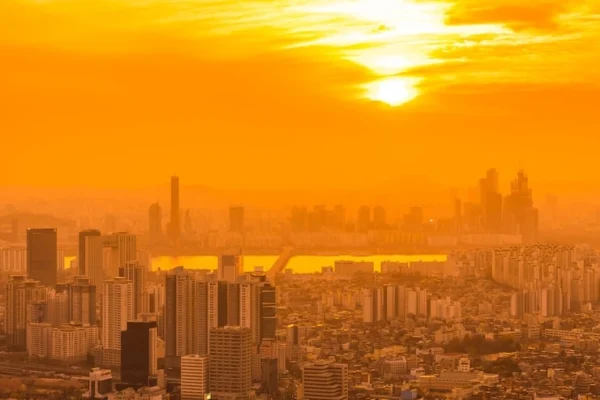
Europe is facing a severe tourism and transport emergency as exceptional heat spreads across France, Germany, Italy, Spain and the United Kingdom, disrupting rail services, straining airports and forcing travelers to reconsider outdoor plans across some of the continent’s busiest summer destinations.
France has emerged as one of the most heavily affected countries. National health authorities have reported an increase in daily deaths during the heatwave, although final mortality figures remain under assessment. Meteorological officials have described the episode as exceptional, with several national temperature records broken during the final week of June 2026.
The heat has affected far more than public health. Airlines, railway operators, hotels, attractions and tour companies are adapting operations as temperatures reach dangerous levels and nighttime conditions provide limited relief.
For travelers, the situation demands flexible itineraries, close monitoring of official alerts and greater caution during the hottest hours of the day.
France Records Exceptional Heat and Rising Health Pressure
France experienced some of the hottest days and nights ever measured nationally during the June heatwave.
Average temperatures across the country reached unprecedented levels, while several regions recorded daytime readings above 40°C. Public health authorities confirmed an increase in deaths beginning during the most intense phase of the heat, but cautioned that mortality data remained preliminary and had not yet been fully consolidated.
Hospitals and emergency services have reported growing pressure from heat-related illness, dehydration, exhaustion and complications affecting older people and those with existing medical conditions.
Tourists visiting Paris, Lyon, Marseille, Nice and other destinations have been advised to avoid strenuous outdoor activity during the afternoon and to seek air-conditioned or shaded spaces whenever possible.
Museums, indoor attractions and evening tours are likely to see heavier demand as visitors move sightseeing away from peak heat periods.
Rail Networks Introduce Emergency Restrictions
Rail systems across Europe are under significant strain because steel tracks and overhead power equipment are vulnerable to extreme temperatures.
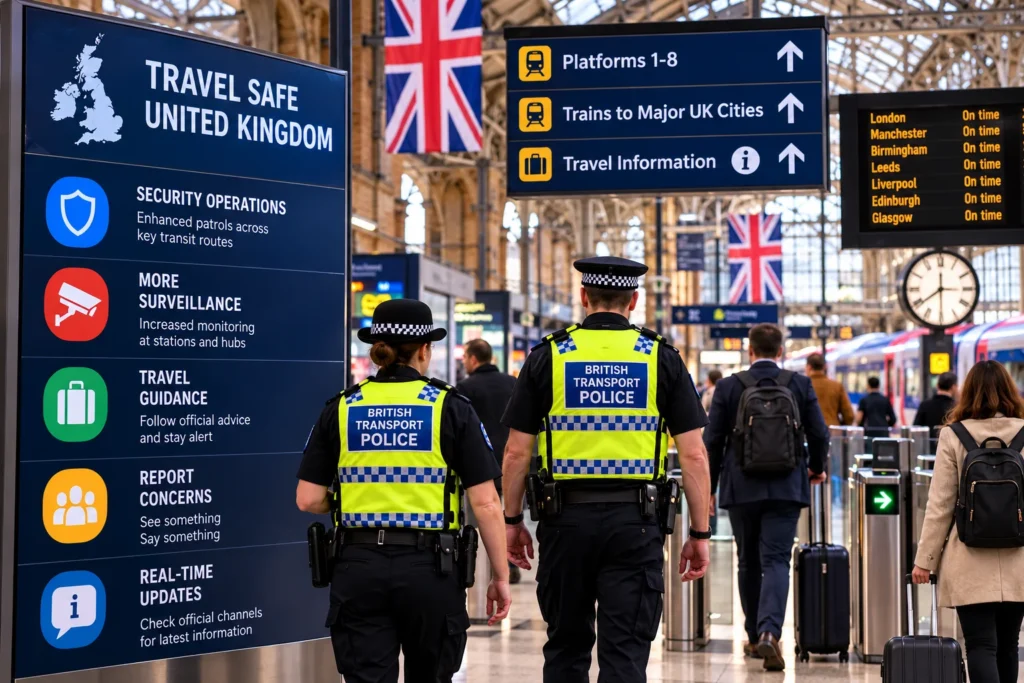
In the United Kingdom, rail passengers were advised to travel only when necessary in the most affected areas. Network operators introduced precautionary speed restrictions to reduce the risk of track buckling and damage to overhead lines.
Rail temperatures can rise far above surrounding air temperatures, increasing the possibility of infrastructure failure. Slower services help maintain safety but create widespread delays and missed connections.
Deutsche Bahn also introduced additional flexibility for passengers affected by the heatwave, including options to cancel or postpone selected long-distance journeys.
Travelers using high-speed and regional trains across France, Germany and Britain should check service updates shortly before departure and allow additional time for connections.
Airports Face Heat-Related Operational Pressure
European airports have remained open, but extreme temperatures are adding pressure to aircraft, airport workers and passenger-handling systems.
Hot air is less dense, which can affect aircraft takeoff performance and may require operational adjustments depending on runway length, aircraft type and payload. Airlines can respond by modifying fuel loads, baggage capacity or departure timing when necessary.
Ground employees working on aircraft stands also face high exposure, particularly during afternoon periods when paved surfaces absorb and radiate heat. This can slow baggage loading, aircraft servicing and other turnaround activities.
Passengers at major hubs including Paris, Madrid, Rome, Frankfurt and London may experience isolated delays, although claims that airports across Europe have completely collapsed are not supported by official operational information.
Travelers should monitor airline notifications and avoid arriving without confirming their flight status.
Tourism Activity Moves Away From Midday Hours
Extreme heat is reshaping visitor behavior across Europe’s most popular cities and coastal resorts.
Walking tours, outdoor excursions and heritage visits are increasingly being moved to early mornings or evenings. Tour operators are reducing the length of activities, adding water breaks and avoiding exposed locations during the hottest periods.
In cities such as Rome, Madrid, Paris and Seville, long queues at outdoor landmarks can create serious health risks. Travelers should carry water, use high-protection sunscreen and wear loose, light-colored clothing.
Beaches and coastal destinations are also experiencing heavier pressure as residents and tourists seek relief near the sea. However, heat exposure remains dangerous on open sand, particularly between midday and late afternoon.
Cruise passengers may also face adjusted shore excursions if local authorities or operators determine that outdoor activities have become unsafe.
Hotels and Attractions Respond to Higher Cooling Demand
Hospitality providers are increasing water availability, strengthening cooling systems and adjusting check-in and activity schedules.
Modern hotels generally provide reliable air conditioning, but older properties, historic buildings and smaller guesthouses may have limited cooling capacity. Travelers should confirm facilities before arrival, especially when booking accommodation in heritage districts.
Attractions without sufficient indoor shelter may shorten opening hours or temporarily limit access during extreme conditions.
Tourism authorities are encouraging visitors to plan slower itineraries, rest frequently and prioritize indoor cultural attractions during periods of maximum heat.
Europe’s Summer Travel Model Faces Long-Term Change
The heatwave is renewing debate over whether traditional July and August travel patterns remain sustainable in southern and central Europe.
As severe heat events become more frequent, tourism businesses may need to promote spring, autumn and evening travel more aggressively. Airlines, rail operators and hotels will also face growing pressure to strengthen climate resilience across infrastructure and operations.
For now, Europe remains open to visitors, but travel conditions are far from normal.
Passengers should expect delays, modified schedules and restrictions across vulnerable transport networks. The safest approach is to follow official heat alerts, avoid unnecessary movement during peak temperatures and remain prepared to adjust plans at short notice.
For more travel news like this, keep reading Global Travel Wire