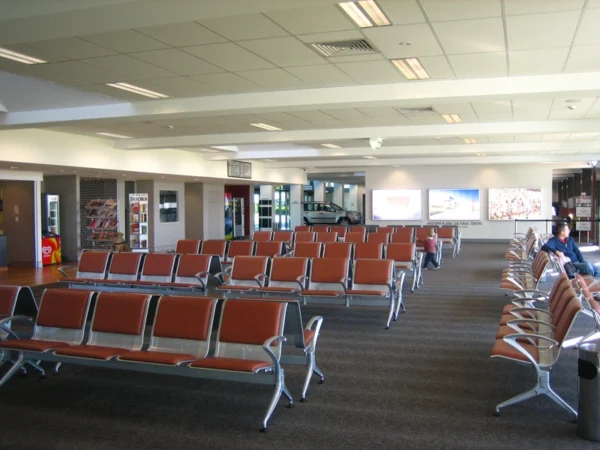
Dubbo Regional Airport in New South Wales was forced into emergency operations after authorities received a bomb threat concerning an incoming Qantas flight, prompting the evacuation of the terminal and a temporary suspension of flights at one of regional Australia’s most important aviation gateways.
The aircraft landed safely on Monday, June 29, 2026, and all 74 passengers and crew members disembarked without injury. Police and emergency services secured the airport while investigations were conducted into the threatening communication and any potential danger connected with the flight.
Authorities said there was no immediate threat to public safety during the response. Airport operations later resumed, although passengers faced delays as security processes were completed and travelers were rescreened.
The disruption demonstrated how rapidly a security alert can affect regional aviation, where limited aircraft stands, terminal capacity and alternative transport options can magnify the impact of even a temporary closure.
Threatening Call Activates Emergency Response
The emergency began after a threatening telephone call was received concerning an aircraft travelling to Dubbo.
Airport management, police, airline personnel and emergency services immediately activated precautionary procedures. The passenger terminal was evacuated, public access was restricted and the airport entered a temporary shutdown while the incoming aircraft was managed under controlled conditions.
The plane subsequently landed safely, allowing the 74 passengers and crew to leave the aircraft under the direction of the operating airline and authorities.
Police maintained a presence around the airport as the threat was assessed. The response focused on protecting passengers, airport employees and members of the public while preserving the area for investigation.
No explosive device or immediate hazard was publicly confirmed during the initial response.
Airport Operations Temporarily Suspended
The evacuation affected both departing and arriving passengers at Dubbo Regional Airport.
Flights were halted for several hours while emergency personnel examined the situation and authorities determined whether the airport could safely reopen. Travelers waiting inside the terminal were moved away from the controlled area, while people planning to travel were advised to monitor airline updates.
Operations resumed at approximately 12:40 p.m., with some residual delays expected as passengers passed through security screening again and disrupted services were reorganized.
Qantas confirmed that flights had restarted following the security incident. The airline acknowledged that the event had been unsettling and disruptive for customers while thanking passengers for following instructions issued by crew members and local authorities.
Regional Connectivity Faces Immediate Pressure
Dubbo Regional Airport is located approximately five kilometres northwest of the city and provides essential connections between the Central West and major Australian metropolitan areas.
The airport supports residents, business travelers, government services, healthcare journeys and tourists visiting western New South Wales. Its temporary closure can therefore affect more than conventional holiday travel.
Passengers may have limited same-day alternatives when regional flights are cancelled or delayed. Rebooking can become difficult when services operate at lower frequencies than flights between major capital cities.
Road travel between Dubbo and Sydney takes considerably longer than flying, making air services particularly important for travelers with medical appointments, business commitments or onward connections.
The incident also affected visitors travelling to major regional attractions, including Taronga Western Plains Zoo, Old Dubbo Gaol and the wider Great Western Plains tourism region.
Police Investigation Focuses on Threat Origin
New South Wales Police launched an investigation into the source and circumstances of the threatening call.
Investigators are expected to examine available communication records and other information relevant to determining who made the threat and whether it was connected to the aircraft, a passenger or airport operations.
Authorities had not publicly confirmed the identity of a suspect or announced an arrest during the initial phase of the investigation.
Bomb threats against aircraft and airports are treated seriously regardless of whether an explosive device is ultimately discovered. Even a hoax communication can force evacuations, interrupt flight schedules, divert emergency resources and create substantial financial and operational consequences.
The investigation is continuing, and further details are expected only when police determine that releasing information will not interfere with their enquiries.
Aviation Security Procedures Protect Passengers
Australia’s aviation security framework requires airports and airlines to respond quickly to potential threats.
Depending on the circumstances, authorities may isolate an aircraft, clear terminal buildings, establish security boundaries and conduct searches before approving the resumption of operations.
These procedures are designed to prioritise safety while allowing emergency agencies to evaluate the credibility of a threat without exposing travelers or employees to unnecessary risk.
The Dubbo response showed the importance of coordination between flight crews, airport management, police, emergency services and airline operations teams. Clear passenger communication is equally important because travelers must follow instructions quickly during evacuations.
Travelers Advised to Confirm Flight Status
Passengers travelling through Dubbo following the incident should check their flight status directly with their airline before leaving for the airport.
Residual disruption can continue after an airport reopens because aircraft, crews and passengers may no longer be positioned according to the original schedule. Security rescreening and terminal congestion can also extend processing times.
Travelers should allow additional time, retain booking notifications and follow official instructions at the airport.
The safe landing and evacuation prevented physical harm, while the reopening restored an essential regional transport link. However, the Dubbo Airport bomb threat remains a serious aviation security incident and a reminder that regional airports must maintain the same vigilance, coordination and emergency readiness expected across Australia’s largest aviation hubs.
For more travel news like this, keep reading Global Travel Wire