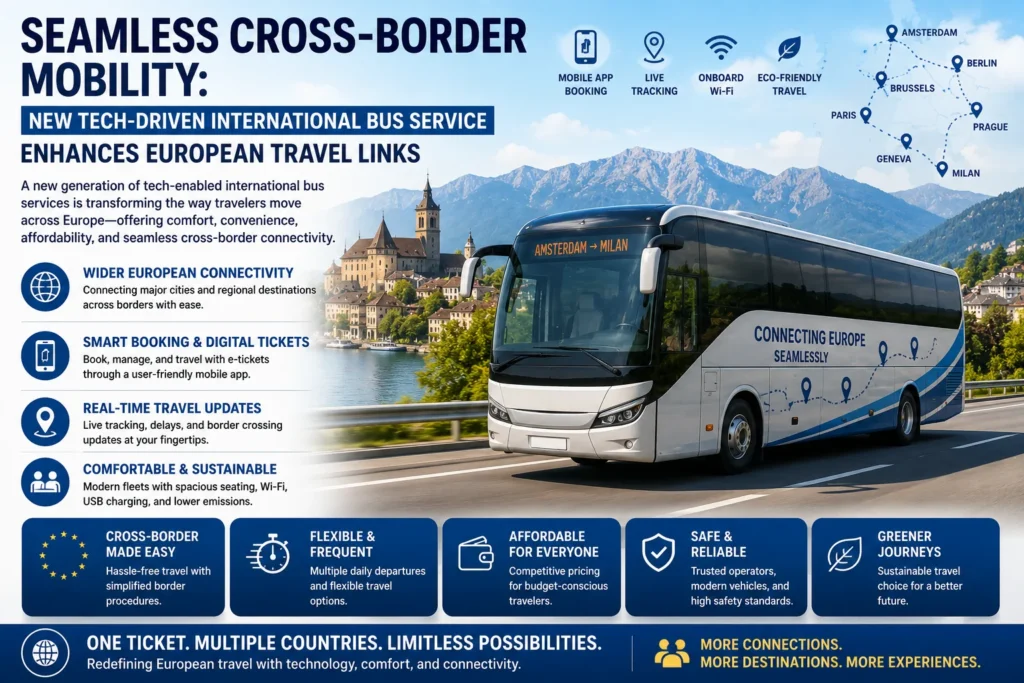
The landscape of international transit and digital infrastructure in Eastern Europe is entering a highly integrated phase with the launch of a premium cross-border transport network. Kyivstar Group, a prominent digital operator listed on the Nasdaq exchange, has officially announced that its core ride-sharing ecosystem, Uklon, is deploying a branded international bus service named Uklon Travel Bus. Designed to facilitate structured, reliable passenger transit across European corridors, the upcoming transportation service is scheduled to launch its inaugural pilot routes on July 20, 2026.
The expansion comes at a critical time for regional tourism and citizen mobility, as the prolonged absence of conventional commercial air travel has shifted the demand toward high-capacity, technology-enabled land transportation networks. By establishing direct, reliable connections to major European transportation hubs, the service intends to simplify international departures for travelers seeking seamless end-to-end itineraries. The initial operational framework introduces high-frequency lanes connecting Kyiv to Warsaw, Poland, and Odesa to Chisinau, Moldova.
Integrating Local Shared Mobility with Long-Haul Transit
The deployment represents a major milestone in the evolution of regional digital platforms. The service model successfully bridges the gap between urban ride-hailing services and long-distance intercity transportation. Passengers can plan complex cross-border itineraries entirely inside a single mobile interface, minimizing the administrative delays typically associated with booking multi-stage journeys across independent third-party booking channels.
Under the unified operational model, established transport operators provide the physical fleet infrastructure, while the technology firm centrally manages ticket allocations, strict vehicle quality guidelines, and comprehensive customer support networks. This collaborative design ensures that international passengers enjoy a predictable and comfortable environment throughout their journey. Tickets for the cross-border service are accessible natively through the specialized Travel portal in the mobile app and via the corporate website.
Advanced Amenities for Modern Intercontinental Transit
To meet the rising expectations of contemporary business and leisure travelers, the vehicle fleet is equipped with a modern suite of technical amenities engineered to reduce passenger fatigue on long-haul routes. Recognizing the vital role of consistent remote communication for digital nomads and families alike, all vehicles on the active international corridors provide continuous high-speed Starlink satellite internet connectivity.
Furthermore, the booking architecture features interactive seat selection tools, allowing passengers to customize their environment before boarding. Recognizing that many cross-border travelers are connecting to global transit networks, the pilot routes feature direct, drop-off paths to major international aviation infrastructure, specifically Warsaw Chopin Airport in Poland and Chisinau International Airport in Moldova. Fully integrated return options are also built into the digital portal to assist travelers planning round-trip vacations or business engagements.
A Multi-Service Ecosystem Driving Digital Economic Growth
The expansion highlights a broader trend toward digital consolidation, where single-purpose applications transform into multifaceted consumer ecosystems. Since its initial founding as a local tech startup in Kyiv in 2010, the platform has systematically scaled its footprint across twenty-seven domestic municipalities, the Bukovel tourist resort, and international test markets such as Tashkent, Uzbekistan. Today, the platform encompasses ride-hailing modules, dedicated delivery services, and digital advertising networks alongside its international travel systems.
Corporate leadership notes that expanding into branded long-haul transit strengthens overall customer loyalty and supports sustainable revenue diversification across the group’s digital operator strategy. By utilizing a platform that consumers already trust for daily short-distance transit, the airline-style long-distance bus network reduces entry barriers for international travelers, reinforcing the region’s broader integration into the wider European tourism and transport economy.
Supporting Long-Term Structural Transit Infrastructure
The long-term development strategy aims to build a modern, high-capacity mobility network capable of handling fluctuating consumer volumes without overstraining local municipal systems. As international transport boards focus heavily on updating regional travel corridors, leveraging robust software to handle logistics and passenger support helps prevent border station gridlock and reduces scheduling uncertainties.
By providing clear, predictable transit windows and reliable airport connections, the international bus service offers a practical template for next-generation land transport. As the cross-border lanes mature over the coming months, the continuous integration of data-driven route planning, secure payment systems, and passenger safety standards promises to maintain a secure and reliable link for millions of international travelers moving between major European hubs.
For more travel news like this, keep reading Global Travel Wire