The landscape of international tourism is witnessing a profound shift in how travelers choose to document their journeys. As global aviation networks, regional border controls, and municipal frameworks transition rapidly toward automated biometric gates, digital identity applications, and contactless check-ins, an entirely different movement is taking root on the ground. Modern globetrotters, remote professionals, and cultural explorers are showing a renewed desire for tactile, physical keepsakes that celebrate slow exploration over digital convenience.
At the absolute center of these emerging cultural travel trends is a creative initiative from the postal sector that has captured widespread international interest. Known as the Philately Passport, this specialized document has recently generated significant discussion across transit hubs and international travel communities. While the name itself has led some long-haul travelers to mistake it for an official government entry visa or a newly minted digital travel credential, public information clarifies that it serves a completely different, highly immersive purpose. Far from replacing a formal identity document, this unique initiative highlights how the architecture of traditional stamp collecting can be repurposed to drive sustainable destination engagement.
Understanding the Concept of the Tourism Scrapbook
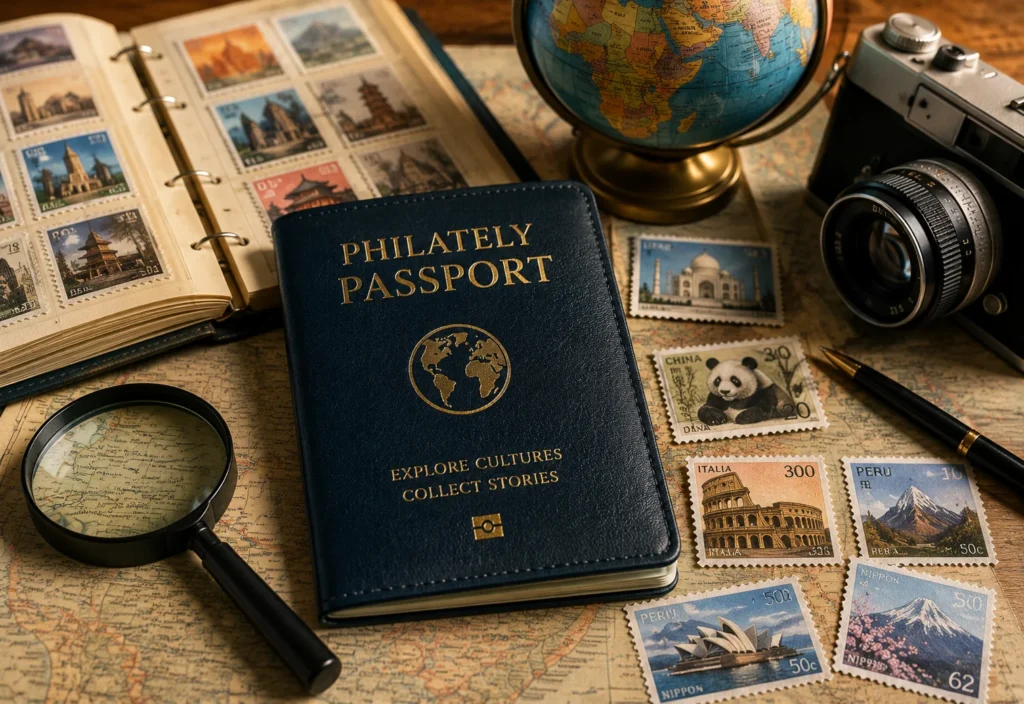
A closer look at official public updates reveals that the Philately Passport is a beautifully designed, pocket-sized collectible booklet produced by the Karnataka Postal Circle, a regional administrative arm of India Post. Rather than functioning as an authorized pass for crossing legal international borders, the document acts as a curated travel scrapbook that gamifies heritage tourism across the region. The initiative is built directly on the principles of philately—the traditional hobby of collecting, studying, and preserving postage stamps and official postal history.
The physical passport is structured to match the visual layout of an authentic sovereign travel document, but its internal contents are mapped out as a state-wide treasure hunt. Each page within the booklet is carefully dedicated to a specific heritage site, renowned ecological tourist attraction, or historically significant location. Alongside a concise, educational description of each landmark, the pages feature a blank canvas. This intentional space is designed to hold exclusive Permanent Pictorial Cancellations, which are custom-illustrated postal markings provided only at designated post offices situated near these iconic locations.
Moving Beyond Digital Check-Ins to Promote Slow Tourism
The dramatic surge in demand for these physical travel logs reflects a broader evolution in consumer behavior. Over the past decade, the act of traveling has become heavily dominated by smartphone photography, real-time social media geotagging, and cloud-based itinerary apps. While these tools offer undeniable efficiency, tourism boards are increasingly observing a sense of digital fatigue among modern travelers who feel that electronic tracking detaches them from the immediate physical environment.
By requiring travelers to physically visit local post offices situated right next to historical landmarks to earn their custom postmarks, the initiative naturally encourages the philosophy of slow tourism. Travelers are incentivized to spend more time within specific municipal districts, stepping away from rushed, checklist-style sightseeing. The process of gathering these unique pictorial stamps introduces a highly satisfying sense of achievement, turning an ordinary holiday into an active quest to fill a physical booklet with verified artistic proofs of their journeys.
Driving Regional Economic Growth and Preserving Postal Heritage
Beyond the obvious appeal to individual travelers and vintage collectors, this lifestyle trend provides a substantial economic boost to regional tourism ecosystems. By guiding visitors away from heavily crowded, hyper-commercialized tourist zones and directing them toward a network of diverse heritage offices, the initiative helps distribute foot traffic more evenly across regional economies. Travelers exploring these routes frequently spend money at independent local restaurants, support community transport providers, and buy handmade goods from regional artisan guilds that sit outside standard tourism maps.
Simultaneously, the program breathes new life into historical civil infrastructure. Post offices have historically served as the communication lifelines of nations, carrying records of cultural shifts, architectural milestones, and prominent historical figures within their stamp designs. By transforming these operational government buildings into active visitor centers, the initiative introduces younger generations to a classic, tactile pastime. This renewed engagement helps preserve valuable national heritage while demonstrating how traditional public institutions can remain deeply relevant, creative partners in the modern experiential travel economy.
The Future Blueprint for Interactive Heritage Travel
The international attention surrounding these collectible passports suggests that the model could easily serve as a highly successful blueprint for other destination management organizations worldwide. Tourism ministries are constantly searching for innovative ways to tell their regional stories, foster long-term visitor engagement, and build lasting memories that go far beyond standard digital photographs.
As international transit agencies continue to digitize the administrative side of travel through biometric recognition and electronic visas, the demand for meaningful, offline travel traditions will likely continue to grow. By celebrating regional architecture, historical narratives, and local artistry through the timeless medium of postage, initiatives like the Philately Passport successfully bridge the gap between historical tradition and modern exploration. For the global travel community, the true value of this unique document does not lie in its ability to open physical borders, but in its exceptional power to open up a richer, more deeply connected style of cultural discovery.
For more travel news like this, keep reading Global Travel Wire