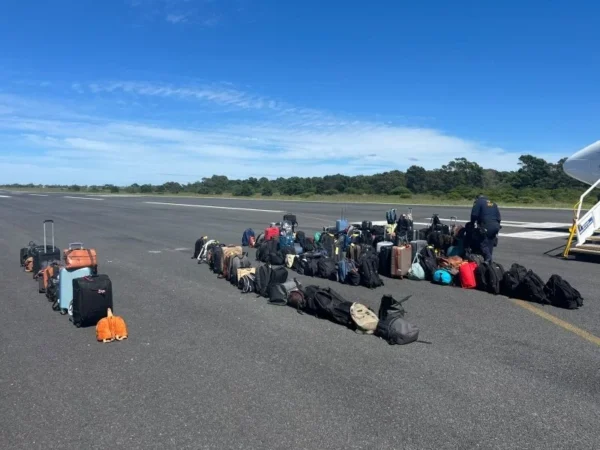
A reported bomb threat involving FlySafair flight FA388 ended safely at South Africa’s King Phalo Airport on October 21, 2026. Emergency teams completed security inspections before authorities formally stood down the incident at 10:58.
Airports Company South Africa confirmed that all passengers and crew were safe following the coordinated response. The operation involved airport personnel, police specialists and municipal emergency services.
FlySafair said the incident caused no flight cancellations and its other operations continued normally. That confirmation limits the established travel impact, despite the extensive precautions surrounding the affected aircraft.
For passengers visiting the Eastern Cape, the outcome meant the security operation concluded without a reported cancellation across FlySafair’s wider schedule.
Early Warning Activates Emergency Procedures
The incident began at 07:59, when Passenger Services received a telephone call reporting a bomb threat involving FA388.
Staff notified the relevant terminal supervisor and airport security, triggering established response procedures. Emergency coordination began before the aircraft arrived.
The Emergency Control Centre brought together the operational and security teams responsible for managing the situation. Responders prepared a designated isolation area away from the terminal.
This preparation allowed emergency vehicles, airport personnel and bomb squad members to assemble before receiving the aircraft.
The response focused on controlling the reported threat while keeping the aircraft separate from the main passenger building during inspections.
Aircraft Lands Before Controlled Disembarkation
FlySafair confirmed that FA388 was operating from Johannesburg to East London and landed safely at King Phalo Airport at 08:49.
The airline reported 182 passengers and six crew members aboard. It also confirmed that everyone subsequently disembarked safely.
ACSA’s chronology records that the pilot authorised passenger disembarkation at 09:38. Teams then conducted a comprehensive explosives detection sweep under applicable aviation requirements and police protocols.
The airport operator did not publish individual passenger arrangements following disembarkation. Details about onward transfers, baggage release times and any changes to personal itineraries therefore remain unspecified.
However, both the airport operator and airline confirmed the central outcome: passengers and crew were safe.
Police and Emergency Teams Coordinate Checks
The response included ACSA operational personnel, the Buffalo City Metropolitan Municipality Fire Chief and the South African Police Service bomb squad.
Other relevant authorities supported the operation through the Emergency Control Centre. Their work covered aircraft reception, emergency readiness and the required security inspections.
ACSA said teams followed airport safety requirements and SAPS procedures during the explosives detection sweep.
Authorities completed the necessary checks before standing down the incident at 10:58. The period between the first reported call and formal resolution lasted two hours and 59 minutes.
That timeline describes the emergency response. It does not establish an equivalent delay for every passenger or other flight using the airport.
Airport Continuity Measures Support Travel Operations
Alongside its security response, ACSA activated Business Continuity Plans to support operations while prioritising the protection of life.
These arrangements ran concurrently with the emergency procedures. Following the formal stand-down, airport operations could continue.
FlySafair separately confirmed that the incident had not resulted in cancellations. Its statement also said other flights were operating normally.
The distinction matters for travellers assessing disruption. A security inspection involving one aircraft does not automatically establish an airport-wide shutdown or widespread airline cancellations.
Neither statement quantified the incident’s effect on individual journey times. Passengers with onward plans would therefore need booking-specific information to assess their own arrangements.
Clear Information Matters for Tourism Journeys
Airport access supports Eastern Cape holidays, family visits and business travel. Security incidents can create uncertainty for passengers coordinating accommodation, transfers and appointments.
In this case, the confirmed safe outcome and absence of FlySafair cancellations provided practical reassurance about the airline’s continuing operations.
However, the available statements do not establish missed hotel stays, lost tourism revenue or disrupted attractions. Those outcomes should not be assumed from the emergency response alone.
Travellers collecting arriving passengers should check current flight information and follow airport instructions. Transfer providers and accommodation teams can also use confirmed arrival updates when adjusting collection arrangements.
Travellers Urged to Report Security Concerns
ACSA thanked police specialists, municipal and provincial security representatives, FlySafair, airport partners and its operational teams for their cooperation.
The company also acknowledged passengers, employees and the public for their patience during the response.
Its passenger guidance emphasised reporting suspicious activity, unattended belongings and security concerns to airport staff or security officials.
Travellers should avoid investigating suspicious objects themselves and follow instructions from authorised personnel.
The incident concluded with passengers and crew safe, inspections completed and airport operations able to continue. For future journeys, prompt reporting and cooperation remain practical ways passengers can support airport security.
For more travel news like this, keep reading Global Travel Wire