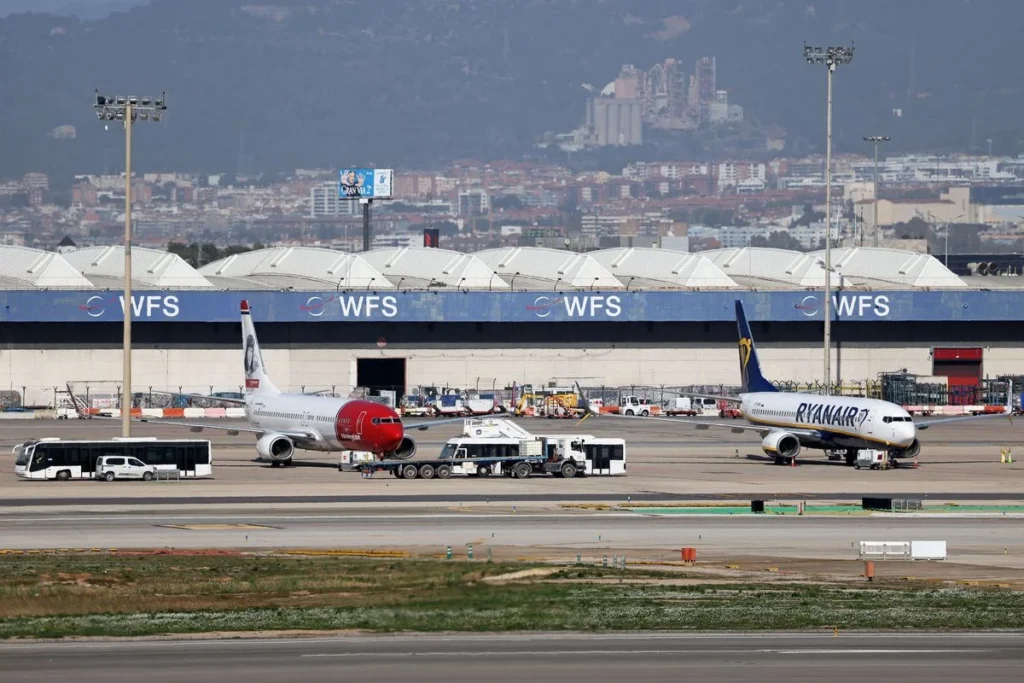
Spanish airports handled 31.7 million passengers in September 2026, up 4.2% from the same month a year earlier. Alicante posted the strongest increase among four major gateways, while Málaga and Madrid also grew faster than the national airport network.
The increase comes as Europe’s aviation outlook points to slower flight growth than expected earlier in the year. Airlines are also heading into winter with higher fuel costs and temporary flexibility to adjust schedules at eligible UK airports.
For Spain’s tourism businesses, the September results show where airport traffic grew most strongly. Winter timetables will show how much flight choice those destinations retain as the season progresses.
Alicante Leads Growth Among Four Spanish Gateways
Alicante recorded an 11.5% rise in September passenger traffic. Málaga followed with 6.8% growth, just ahead of Madrid at 6.6%. Barcelona’s passenger total increased by 2.6%.
The figures put two coastal gateways ahead of Barcelona for year-on-year growth, while Madrid nearly matched Málaga. For hotels and tour operators, the differences make individual airport results more relevant than the national average when planning for arrivals.
Passenger totals alone leave several questions open. Airlines may have added departures, deployed larger aircraft or filled more seats on existing services. Route and capacity figures would help explain which factors contributed to growth at each airport.
Europe Lowers Its Flight Growth Forecast
Europe’s revised aviation forecast anticipates approximately 11.2 million flights across the European Civil Aviation Conference area in 2026. That represents projected annual growth of 1.7%, down from the 2.7% forecast in spring.
The projection covers aircraft movements across a wider area and a longer period than Spain’s September passenger figures. An airport can handle more travellers even when airlines operate fewer flights, particularly if more seats are occupied.
Madeira illustrated that pattern in September. Its airports recorded approximately 534,600 passenger movements, up 2.3%, while commercial aircraft movements fell 0.8%. The share of seats filled rose from 86.1% to 88.2%. For visitors, the number of departures on a specific route remains a better guide to scheduling options.
Higher Fuel Costs Complicate Winter Planning
European jet fuel averaged US$4.84 per gallon in an October update, 114% above the January and February average. The update appeared before October ended, so the figure reflects the period covered at publication.
On 22 October, the European Commission described supply as tight and reported that Europe had sufficient physical supplies at that point. The Commission continued monitoring the situation with European countries and the International Energy Agency.
Higher fuel costs can pressure airline budgets as carriers decide where to deploy aircraft and how frequently to fly. The effect on individual fares will depend on each carrier’s fuel contracts, pricing decisions and demand.
UK Slot Deadlines Give Airlines Schedule Flexibility
Eligible airlines at coordinated UK airports can return up to 5% of allocated winter slots before 15 November 2026. They can return a further 5% before 14 March 2027 if they meet the conditions.
A slot gives an airline permission to use airport capacity at a specified time. The temporary arrangement allows eligible carriers to release some winter capacity while protecting their future rights to those slots.
Passengers must receive at least 14 days’ notice of cancellations made under the arrangement. For UK holidaymakers heading to Spain, any practical change will appear in the airline’s timetable or in a notice about an existing booking.
France Shows How Airport Trends Can Diverge
French airport passenger traffic fell 0.4% in September, while international traffic declined 0.6%. Within the international segment, Paris airports recorded a 2.2% fall, while other French airports grew 1.5%.
That split shows how a national total can mask different results at individual gateways. Spain’s overall increase likewise covers airports growing at markedly different rates. For tourism businesses that rely on visitors from particular cities, the frequencies and departure times on those routes can matter more than the headline traffic figure.
Winter Timetables Will Show Where Choice Holds
The main European forecast projects flight growth of 3.2% in 2027. It assumes conditions in the Middle East stabilise by the end of the first quarter. A lower scenario accounts for prolonged tensions and sustained energy costs.
For Alicante and Málaga, September’s gains establish how much airport traffic grew before winter. The coming schedules will show how often visitors can fly, which departures suit shorter stays and how much flexibility travellers have when planning a break.
For more travel news like this, keep reading Global Travel Wire