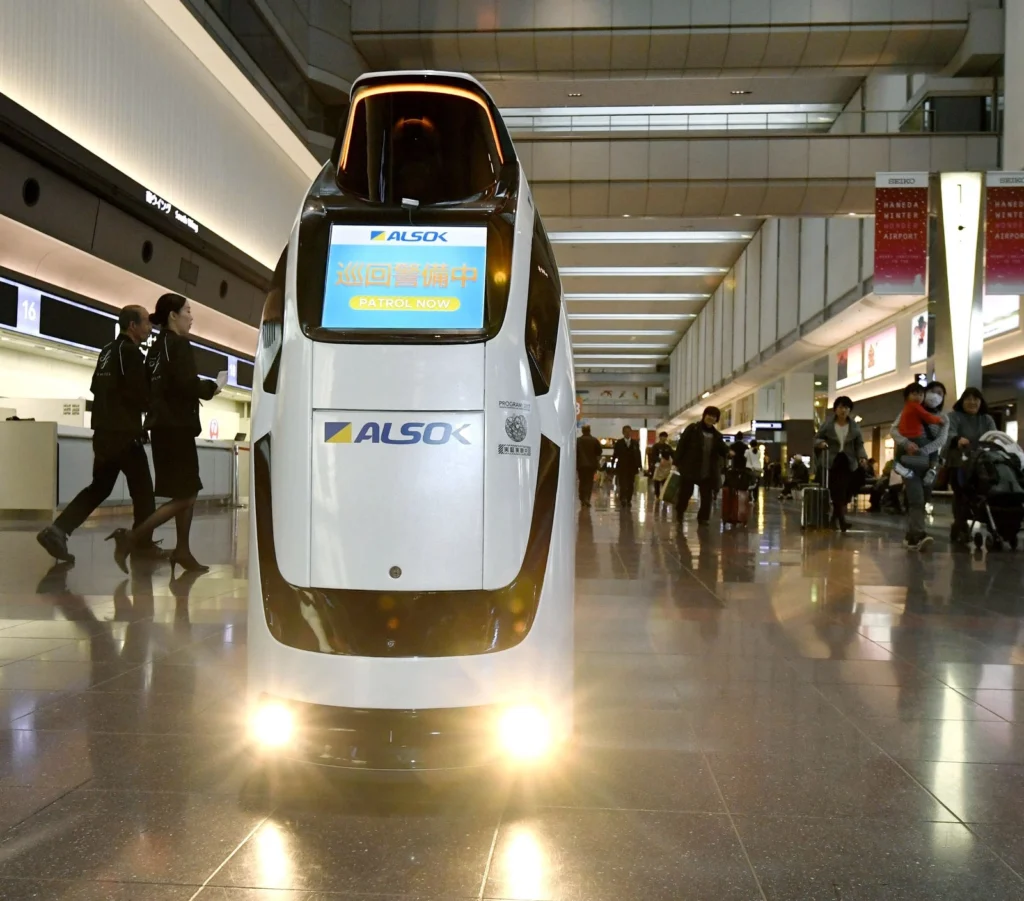
Japan is preparing to introduce humanoid robots into airport ground operations at Tokyo Haneda Airport from May 2026, in a landmark move that could reshape aviation services worldwide. The pilot project, led by JAL Grand Service Co., Ltd. and GMO AI & Robotics Trading Co., Ltd., will test advanced robots designed to support baggage handling, cargo movement and cabin cleaning at one of the busiest airports in Asia. The initiative comes as airports globally face labor shortages, rising passenger volumes and increasing pressure to modernize operations.
The experiment places Japan at the forefront of travel innovation and reinforces the country’s reputation as a leader in robotics and smart infrastructure. If successful, the Haneda Airport trial could become a model for other major international hubs seeking more efficient and sustainable ways to manage airport services.
Why Haneda Airport Is Turning to Robots
Airport ground handling remains one of the most labor-intensive parts of aviation. Aircraft turnaround requires teams to move baggage, load cargo, clean cabins and prepare flights on tight schedules. As passenger traffic grows and workforces age, many operators are struggling to recruit and retain enough staff for physically demanding roles.
Japan faces an added demographic challenge, with a shrinking working-age population and strong inbound tourism demand creating pressure across the travel sector. By deploying humanoid robots, airport operators hope to reduce strain on employees while maintaining reliable service standards during peak travel periods.
What the Robots Will Do
The Haneda Airport humanoid robots are being developed to perform tasks traditionally completed by human teams. Initial areas of focus include loading and unloading baggage, handling cargo and supporting cabin cleaning operations. These are repetitive, physically demanding jobs where automation can improve consistency and reduce fatigue-related risks.
Unlike fixed industrial machines, humanoid robots are built with human-like movement. That means they can operate in existing airport environments such as aircraft holds, service corridors and loading zones without requiring major redesigns to infrastructure. This flexibility is one of the most important advantages of the project.
A Multi-Year Trial Through 2028
According to project details, the implementation period is planned from May 2026 through 2028. During the early phase, teams will study current workflows and identify where robots can be introduced safely and effectively. Developers will then refine motion systems and operating programs so the robots can adapt to the fast-moving conditions of airport operations.
JAL Grand Service brings operational expertise and direct experience in airport handling, while GMO AIR is responsible for robotics development and AI optimization. Together, the partners aim to create a practical model that balances automation with strict aviation safety requirements.
What It Means for Travelers
For passengers, improved ground operations can have a direct impact on the airport experience. Faster baggage loading and unloading may help reduce delays and improve on-time performance. More efficient aircraft preparation can shorten turnaround times, allowing airlines to operate smoother schedules. Cleaner cabins delivered through consistent automated support may also enhance onboard comfort.
At busy airports such as Haneda, even small operational gains can create noticeable improvements for travelers. Shorter queues, fewer disruptions and quicker baggage delivery all contribute to stronger passenger satisfaction, particularly during holiday surges and major travel seasons.
Benefits for Airlines and Airport Operators
For airlines, reliable ground support is essential to profitability. Delays caused by staffing shortages can disrupt schedules, increase fuel costs and affect customer loyalty. Humanoid robots may offer a new layer of resilience by supporting teams during high-demand periods or overnight operations.
Airport operators could also benefit through better workforce allocation. Human employees can be reassigned to tasks that require decision-making, customer service or specialist expertise, while robots handle repetitive manual work. This hybrid model may become increasingly attractive as global aviation expands.
Japan’s Bigger Technology Vision
The Haneda project aligns with Japan’s wider strategy to advance AI and robotics in everyday life. GMO AIR has described 2026 as the “First Year of Humanoids,” signaling broader ambitions for robots across multiple industries facing labor shortages. Airports are simply one of the most visible places to begin.
Success at Haneda could accelerate adoption in logistics hubs, ports, hotels, rail stations and other tourism-related sectors where efficiency and staffing remain critical issues. It may also encourage more partnerships between transport operators and robotics firms across Asia, Europe and North America.
A New Era for Aviation
The launch of humanoid robots at Haneda Airport in May 2026 is more than a technology trial. It represents a shift in how airports may operate in the future. As travel demand rises and labor markets tighten, automation is becoming a strategic necessity rather than a futuristic concept.
If Japan’s experiment delivers safer, faster and more efficient airport operations, travelers around the world may soon see similar robots working behind the scenes at terminals far beyond Tokyo.
For more travel news like this, keep reading Global Travel Wire