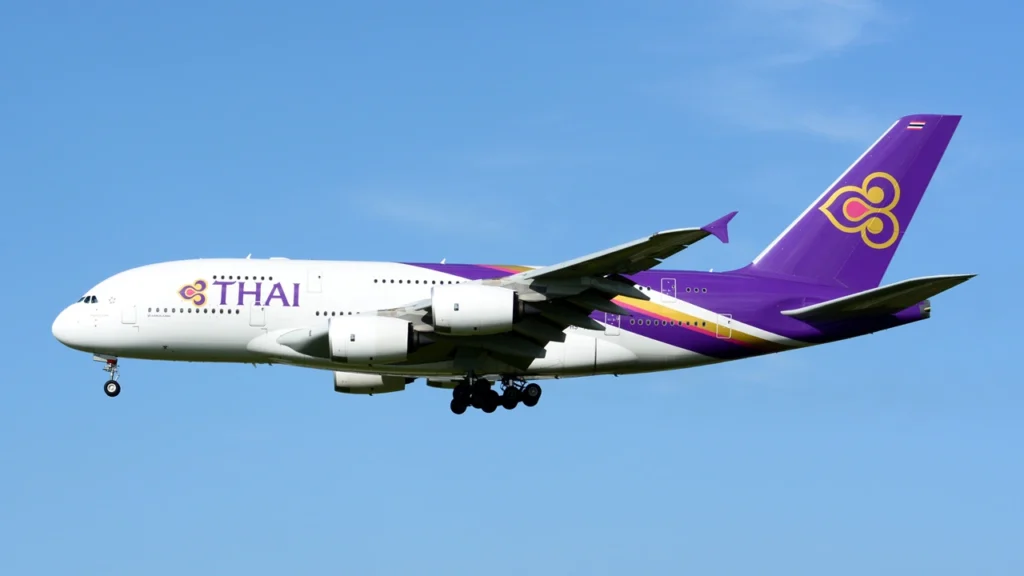
Thailand is moving to strengthen air links between major cities and regional destinations as the government encourages Thai Airways International and aviation agencies to study new routes, additional flight frequencies and wider international connectivity beyond Bangkok.
The strategy is designed to distribute tourism spending more evenly across the country while improving access to provinces that remain outside Thailand’s best-known visitor circuits. Instead of funnelling most international travellers through Bangkok, Phuket and Chiang Mai, authorities want regional airports to play a stronger role in the national tourism economy.
The proposal could create new opportunities for hotels, restaurants, local transport providers, tour operators and attractions in provinces with cultural, coastal and nature-based tourism potential. However, the routes remain under consideration, and travellers should not treat them as confirmed services until airlines publish schedules.
Government Targets Main-City and Secondary-City Connections
Thailand’s government is working with Thai Airways on a plan to connect major aviation hubs with secondary destinations. The policy aims to strengthen Thailand’s position as a regional travel and tourism hub while helping more provinces benefit directly from visitor demand.
Target destinations include Nakhon Si Thammarat, Lampang, Mae Hong Son, Nan, Hua Hin, Phrae and Roi Et. Authorities have also discussed increasing services to airports under the Department of Airports, including Krabi, Nakhon Si Thammarat and Udon Thani.
Each destination offers a different tourism opportunity. Nan, Phrae and Lampang can attract travellers interested in heritage, temples and slower-paced cultural experiences. Mae Hong Son provides access to mountain landscapes and northern communities. Roi Et and Udon Thani can support wider exploration of northeastern Thailand, while Nakhon Si Thammarat offers coastal, religious and cultural attractions in the south.
Krabi Could Gain From Stronger International Access
Krabi is particularly well positioned to benefit from additional connectivity. The southern province is already internationally recognised for dramatic limestone cliffs, island excursions, beaches and marine tourism.
More direct regional and international services could reduce the need for travellers to connect through Bangkok before reaching southern Thailand. This would support hotel occupancy, airport transfers, restaurants, boat operators and tourism businesses across Krabi and neighbouring areas.
The opportunity is significant because visitors increasingly value efficient journeys. A shorter route can encourage longer stays, improve the traveller experience and make multi-destination holidays easier to plan.
Hua Hin Airport Supports Regional Development Ambitions
Hua Hin is another destination receiving attention as Thailand develops its regional airport network. The coastal resort city is known for beaches, hotels, golf courses, markets and its proximity to Bangkok.
Airport improvement efforts have focused on strengthening infrastructure and supporting future international operations. Wider connectivity could help Hua Hin attract more visitors directly while easing pressure on road journeys from Bangkok.
The plan aligns with Thailand’s broader “Airport for Regional Development” approach, which treats airports as economic tools rather than transport facilities alone. When regional airports gain more flights, tourism revenue can extend into local accommodation, retail and hospitality businesses.
Thai Airways Fleet Modernisation Creates New Options
Thai Airways is entering the discussion with a more flexible regional fleet. The airline introduced its first Airbus A321neo into commercial service in January 2026 on the Bangkok–Singapore route, with Phuket and Delhi also included among selected early services.
The aircraft is the first of 32 A321neo jets planned for the carrier. With 175 seats, including Royal Silk Class and Economy Class cabins, the single-aisle aircraft is suited to short- and medium-haul operations across Asia-Pacific markets.
The A321neo could give Thai Airways more flexibility when evaluating regional routes that may not require larger widebody aircraft. Its lower fuel consumption and quieter operation also support the airline’s fleet-modernisation strategy.
Tourism Growth Must Be Matched With Route Viability
The ambition is clear, but commercial realities remain important. New routes require steady demand, suitable aircraft, airport readiness and schedules that work for both visitors and local residents.
Seasonality may also affect decisions. Some destinations attract strong demand during holidays or cooler months but need year-round passenger flows to sustain regular services.
For tourism businesses, the government’s direction is still encouraging. Better air links can bring visitors closer to beaches, cultural districts, mountain communities and provincial attractions without lengthy transfers.
Thailand’s next tourism growth phase may depend on how effectively it connects travellers with places beyond its established gateways. If the proposed route studies lead to viable services, regional airports could become the starting point for a more diverse and more inclusive visitor economy.
For more travel news like this, keep reading Global Travel Wire