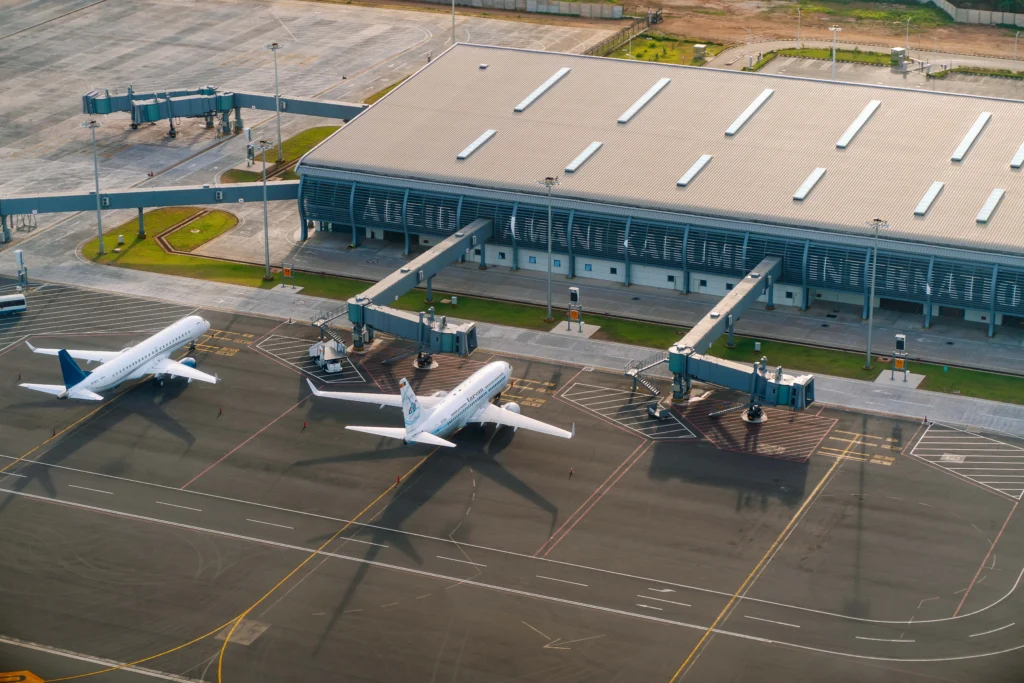
The international aviation corridor connecting North Africa to the rest of the world is navigating a period of significant operational friction during a peak global travel season. Official data from aviation tracking platforms highlights unexpected terminal gridlock and aircraft rotation constraints at Cairo International Airport. The hub has recently experienced 83 documented flight delays and six outright cancellations. These disruptions have created a major logistical backlog for regional and intercontinental travel networks, sending ripple effects across Europe, Asia, the Middle East, and deeper parts of the African continent.
As thousands of global visitors journey through Egypt to explore historical landmarks, major legacy carriers find themselves adjusting schedules to manage the local constraints. Airlines like EgyptAir, Emirates, Turkish Airlines, Lufthansa, Saudia, and Qatar Airways are actively restructuring their ground processes to mitigate the severe congestion. The situation highlights the delicate balance of high-volume international hubs during seasonal surges, where cascading delays can quickly impact tightly coordinated international networks.
Analyzing the Structural Bottlenecks in Regional Infrastructure
Operational analysis indicates that the congestion stems from a combination of overlapping aircraft rotation breakdowns and intense air traffic accumulation within the region’s primary flight corridors. Because Cairo International Airport functions as a vital geographic bridge for long-haul routes, a single delayed arrival can create a cascading impact on subsequent departures. Ground operations, baggage handling workflows, and security queues face significant pressure when multiple wide-body aircraft arrive outside their scheduled windows.
This current operational hurdle reminds travelers that even minor technical variations or airspace restrictions can quickly saturate a major airport’s immediate capacity. Rather than being isolated incidents, these bottlenecks require continuous coordination among air traffic control authorities to maintain the safe flow of international departures. Carriers are dedicating extra resources to clear the backlog, trying to prevent localized tarmac delays from completely disrupting intercontinental timetables.
The Global Traffic Impact Across Major Transit Hubs
The operational slowdown in Cairo has directly affected several distinct international flight corridors. Long-haul routes relying on rapid turnaround times to European and Asian capitals are experiencing notable scheduling revisions. Premium and economy passengers on legacy carriers like Lufthansa and Turkish Airlines have faced extended waiting windows for connections through major transit hubs like Frankfurt and Istanbul.
Simultaneously, the situation has created a regional chokepoint across the Middle East. Flights operated by prominent Gulf carriers, including Emirates, Saudia, and Qatar Airways, have faced extended tarmac holding patterns. These disruptions alter scheduled rotations to major business and commercial hubs like Dubai, Riyadh, and Doha. The delays also affect domestic and regional travel, with EgyptAir adjusting its schedule to preserve connections to popular archaeological and resort destinations within the country.
Official Coordination by the Egyptian Ministry of Civil Aviation
The Egyptian Ministry of Civil Aviation is closely monitoring operations to maintain strict passenger safety margins and restore normalized schedule flow rates. Official statements highlight that air traffic management teams are implementing emergency protocols to handle the increased volume of flights safely. The Ministry is working alongside ground handling companies to optimize tarmac efficiency and accelerate baggage delivery times for arriving flights.
Government directives emphasize that passenger welfare remains the top operational priority during periods of elevated traffic. Authorities are ensuring that airlines adhere strictly to consumer protection policies, requiring carriers to provide clear updates, necessary refreshments, and rebooking options for affected travelers. Additionally, local tourism authorities confirm that all primary archaeological sites, museums, and Red Sea resort areas remain fully functional and unaffected by the airport’s operational adjustments.
Practical Management Strategies for International Tourists
Navigating sudden airport congestion requires preparation and proactive communication. Travelers scheduled to fly through North African transit points over the coming days should follow structured protocols to protect their travel plans.
Validate Flight Status Early: Passengers are strongly advised to check the live status of their flight through official airline mobile applications before heading to the departure terminal.
Leverage Digital Boarding Tools: Utilizing digital check-in services and maintaining access to electronic boarding passes helps bypass traditional check-in lines, reducing overall time spent in crowded concourses.
Pack Smart for Delays: Keeping essential medications, universal electronic chargers, and a change of clothes in a carry-on bag ensures comfort if tarmac waiting times increase.
Understand Consumer Rights: Familiarize yourself with your operating airline’s rebooking policy. Most major international carriers offer free reservation modifications directly inside their apps when major structural delays occur.
As terminal operators and government ministries deploy extra personnel to resolve the current backlog, schedule consistency is expected to improve steadily. Travelers are encouraged to build extra buffer time into their itineraries when connecting through the region to ensure a smooth journey.
For more travel news like this, keep reading Global Travel Wire