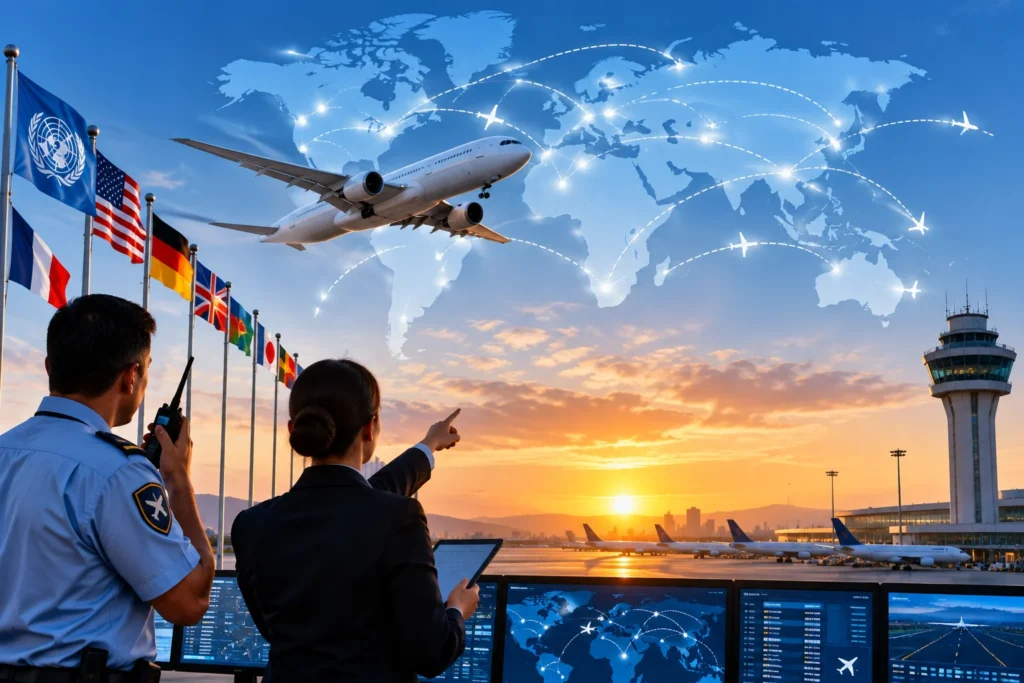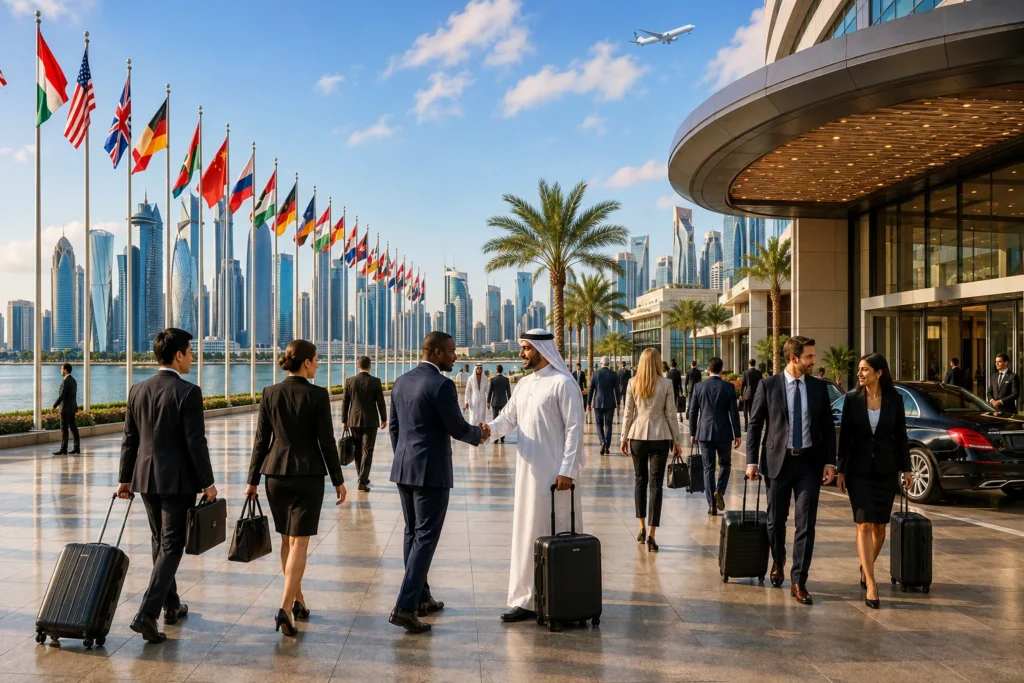
Diplomatic travel and official government delegation visits represent a fundamental driver of international aviation connectivity, hospitality economic impact, and destination visibility across the world. When foreign ministers, legislative leaders, and government envoys cross international borders to conduct bilateral meetings, attend global assemblies, or engage in fact-finding missions, they stimulate high-value travel corridors and reinforce global mobility frameworks. Official public statements from international tourism authorities and national ministries highlight that government-led international travel provides a resilient baseline of demand for cross-border transit and hospitality infrastructure.
Across major capital cities and diplomatic hubs, official travel by government officials creates unique economic opportunities for host destinations while supporting broader international relations and cultural exchange.
The Economic and Infrastructure Impact of Government Travel
Official statistics from global tourism boards and national transport ministries consistently demonstrate that international delegation travel generates substantial economic activity. While leisure visitors constitute the highest volume of total arrivals, government delegations and official diplomatic missions deliver significant direct spending per traveler. High-level official visits require specialized transit, secure accommodation, event facilities, and official dining services, driving sustained revenue for regional tourism ecosystems.
Furthermore, international government travel frequently accelerates investments in transport infrastructure. National civil aviation authorities and airport administrations often expand terminal facilities, upgrade security systems, and increase direct international flight route approvals to accommodate the movement of official delegations and international summits. These infrastructure enhancements permanently benefit general international tourism by establishing stronger flight networks, improving airport efficiency, and increasing seat capacity for commercial travelers.
Fostering Destination Visibility and Cultural Exchange
High-level diplomatic travel serves as a powerful catalyst for promoting host destinations on the global stage. Official public announcements and joint ministry statements issued during bilateral visits showcase host cities to international audiences, enhancing global destination awareness. When foreign officials travel to international capitals, historical landmarks, or regional cultural centers, public attention highlights local cultural heritage, security, and accessibility.
National tourism promotion boards leverage the international spotlight created by official visits to launch targeted destination marketing campaigns. By showcasing a city’s capacity to host secure, world-class international gatherings, destination authorities build long-term confidence among international event organizers, corporate conference planners, and leisure travelers alike. This elevated global profile frequently translates into sustained increases in long-haul visitor arrivals in subsequent years.
Strengthening Cross-Border Mobility and Visa Frameworks
A core objective of diplomatic travel involves negotiating bilateral agreements that simplify cross-border mobility for all travelers. Official ministry releases show that diplomatic dialogues regularly address visa waiver agreements, travel facilitation protocols, and aviation treaties designed to ease international travel restrictions.
When government leaders engage in direct, on-the-ground international visits, these encounters often pave the way for expanded travel agreements that benefit the broader public. Reciprocal visa exemptions, streamlined customs clearance procedures, and expanded air transport service agreements are frequently finalized during high-level official missions. By removing administrative barriers to entry, these official agreements foster long-term international tourism growth, encourage educational exchanges, and facilitate seamless cross-border business travel.
Resilience and Sustainability in Official International Travel
International government travel has demonstrated remarkable resilience during periods of global disruption. Official public records indicate that while leisure travel flows may fluctuate due to economic shifts, diplomatic travel remains constant due to the necessity of face-to-face governance, security consultations, and international cooperation.
As sustainability becomes a primary priority for national tourism strategies, government agencies and official aviation authorities are prioritizing sustainable travel practices for delegation movements. Ministries of transport and environment are increasingly mandating the use of sustainable aviation fuels, carbon-offsetting initiatives, and energy-efficient transport fleets for official diplomatic missions. These government-led sustainability initiatives establish benchmarks for the broader commercial travel sector, encouraging airlines and hotel chains to adopt environmentally responsible practices that protect natural and cultural destinations for future generations.
Driving Long-Term Growth for Host Communities
Ultimately, diplomatic travel and official government missions extend far beyond policy discussions. The physical presence of international leaders, legislative envoys, and diplomatic personnel in foreign capitals reinforces the interconnected nature of modern global travel. By driving aviation expansion, elevating luxury hospitality standards, securing mobility agreements, and spotlighting host cities on the world stage, official delegation travel serves as a crucial foundation for sustained international tourism development worldwide.
For more travel news like this, keep reading Global Travel Wire