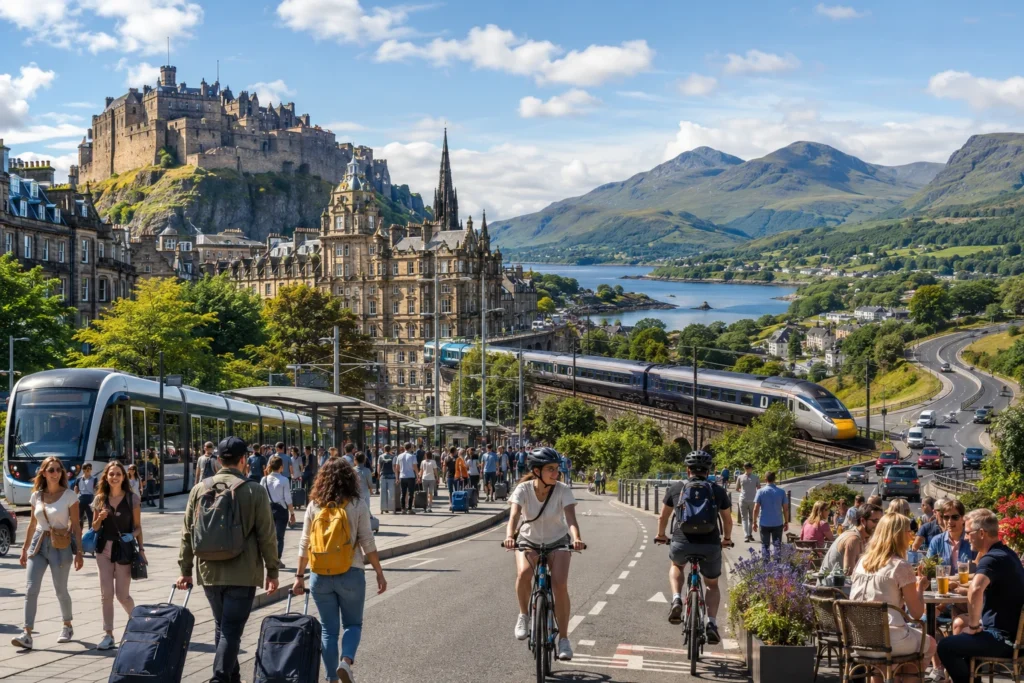
Scotland is experiencing sustained expansion in summer travel arrivals as a strategic synergy between major regional hubs fuels national visitor economy growth. From historic capital architecture to gateway cities in the Highlands, official statistics and government releases highlight a steady evolution in European travel patterns.
The national visitor economy contributes over twelve billion pounds annually to GDP while supporting approximately 218,000 jobs across local communities, based on official figures from VisitScotland and the Scottish Government. High hotel occupancy rates across urban centers reflect strong international demand—particularly from long-haul markets like North America—alongside steady domestic travel.
Urban Tourism Engines Lead Regional Travel Growth
Urban centers across Scotland serve as vital economic anchors for the national travel ecosystem. Official performance reports from VisitScotland indicate that international visitors contribute nearly four billion pounds in direct tourism expenditure annually, with long-haul travelers spending higher amounts per trip during peak summer months.
Capital cultural events, heritage landmarks, and world-renowned summer performance festivals draw millions of overnight visitors, maintaining summer hotel occupancy levels near historic highs. This concentration of international visitors provides steady revenue across dining, retail, and local transit networks.
Concurrently, regional hubs generate substantial domestic travel visits. Domestic visitors from across the United Kingdom provide vital market stability, insulating regional economies against foreign currency fluctuations and broader global travel shifts. Large-scale live arts, sports fixtures, and cultural exhibitions reinforce urban centers as essential weekend retreat destinations.
Gateways Expand Access to Natural Landscapes and Heritage
Gateway cities in northern regions serve as essential logistical launching pads for eco-tourists, road trippers, and outdoor adventure seekers heading into rural landscapes. Official regional reports highlight that international visitors make up a major proportion of overnight stays in gateway hubs, utilizing urban amenities before traveling into glens and coastal routes.
The popularity of iconic coastal drives, whisky distillery trails, and scenic outdoor excursions reinforces the hub-and-spoke travel model. Visitors establish a central base in urban centers, embarking on curated day excursions that distribute economic benefits to local bed and breakfasts, outdoor equipment providers, and traditional hospitality venues without overwhelming rural infrastructure.
In coastal areas, urban regeneration initiatives have diversified regional destination appeal. Cities formerly dependent on industrial or energy sectors are actively expanding leisure infrastructure, promoting heritage trails, championship golf courses, and marine recreation. Major investments in cultural waterfront redevelopments have successfully transformed former transit stops into multi-day cultural destinations.
Logistical Adapting and Multi-City Travel Circuits
Data published in national tourism strategies reflects a significant shift toward multi-city travel circuits. Global tourists increasingly favor combined itineraries that pair urban cultural hubs with natural landscapes and historic coastal towns.
To accommodate high demand during summer months, official travel advisories encourage advance booking for transportation and accommodations. The Scottish Government’s long-term tourism strategy prioritizes value over raw visitor volume, focusing on sustainable travel options, extended length of stay, and year-round regional distribution. By spreading visitor traffic across interconnected regional hubs, tourism management authorities ensure local infrastructure remains resilient while delivering high-quality cultural experiences for global travelers.
For more travel news like this, keep reading Global Travel Wire