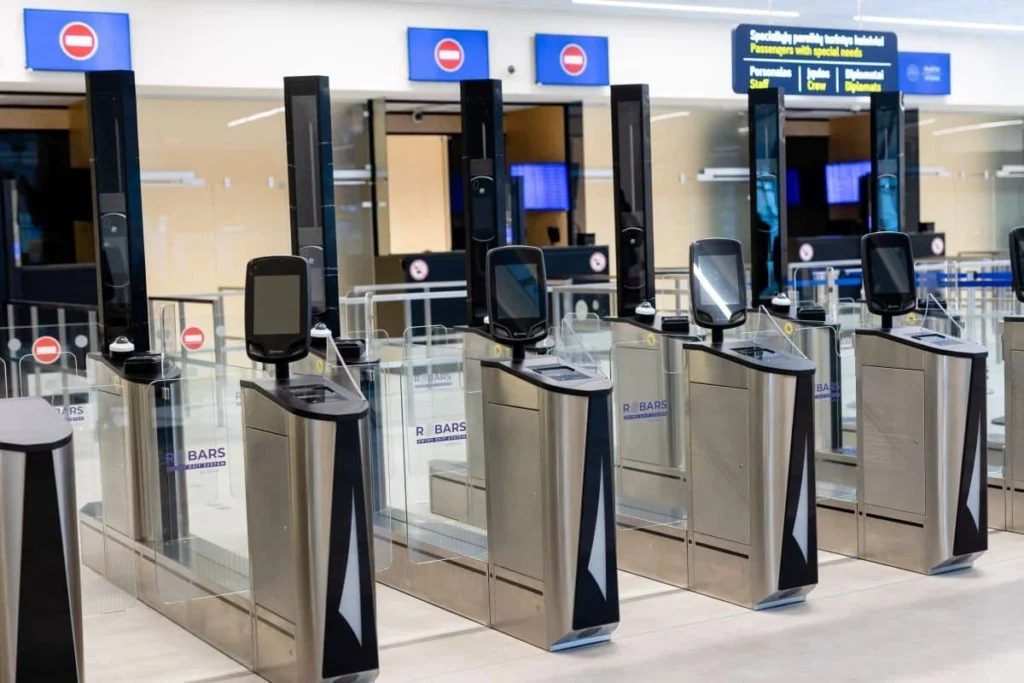
For tourism businesses, the shift is significant. Airlines, airports, ferry terminals, rail operators, cruise companies and hotels must now prepare guests for new border procedures that can add time to journeys, especially during peak holiday periods. Greece, Italy, Hungary and Spain are among the 29 Schengen countries using the system, alongside major tourism markets such as France, Germany, Portugal and Switzerland.
Digital Records Replace Passport Stamps
The Entry/Exit System, widely known as EES, replaces manual passport stamping with a digital record for eligible non-EU nationals visiting the Schengen area for a short stay. At external borders, travellers may be required to provide passport details, a facial image and fingerprints. Entry and exit dates and locations are then logged electronically.
The system is designed to strengthen border security, detect overstays and reduce identity fraud. However, it also changes the arrival experience for international tourists. First-time registration may take longer than previous passport checks, making advance planning increasingly important for travellers connecting through busy airports, ferry ports and international rail terminals.
British travellers using the Port of Dover, Eurotunnel Le Shuttle at Folkestone or Eurostar at St Pancras International may complete EES checks before leaving the UK. Travellers entering the Schengen area by air or through other ferry routes are generally registered on arrival at their destination border.
Passport Rules Remain Essential
EES does not replace the existing passport requirements for non-EU visitors. Travellers should ensure that their passport was issued within the previous 10 years on the date of entry and remains valid for at least three months after the planned departure from the EU.
Visitors may also be asked to provide supporting documents, including proof of accommodation, a return or onward ticket and evidence that they can support themselves during their stay. These checks underline the importance of reviewing entry conditions before travelling, particularly for multi-country itineraries.
The 90-Day Schengen Limit Still Applies
The familiar short-stay rule also remains unchanged. Eligible visa-free visitors can usually stay in the Schengen area for up to 90 days in any 180-day period. The limit applies across the Schengen zone as a whole, not separately to each destination.
EES makes entry and exit records more consistent, allowing authorities to monitor stays digitally. Frequent travellers, second-home owners and tourists planning extended European journeys should calculate their days carefully before departure. Visa requirements still vary by nationality, so travellers should check the rules that apply to their passport.
ETIAS Is a Separate Future Requirement
Travellers should not confuse EES with the European Travel Information and Authorisation System, known as ETIAS. EES is already operational and does not require an advance application. ETIAS is a separate online travel authorisation for visa-exempt travellers and is scheduled to begin in the last quarter of 2026. The exact launch date has not yet been announced.
Until ETIAS officially starts, travellers do not need to apply. This distinction matters for visitors planning future holidays, city breaks, cruises and rail journeys across Europe.
Insurance and Journey Planning Gain Importance
Travel insurance is not a universal EES entry requirement, but appropriate cover remains strongly recommended. British travellers should consider medical treatment, emergency transport, repatriation and planned activities when selecting a policy. A GHIC or EHIC can support access to some state-provided healthcare but does not replace comprehensive travel insurance.
Cruise passengers should also review their itineraries carefully because EES procedures can vary depending on where a sailing begins, ends and disembarks passengers. Meanwhile, all travellers should allow extra time at borders, keep travel documents accessible and confirm destination-specific rules before departure.
Europe remains open to international tourism, but the visitor journey is becoming more structured and more digital. Clearer pre-departure guidance can help destinations protect visitor confidence while supporting airlines, hotels and local tourism economies. For destinations, transport providers and hospitality businesses, clear communication will be central to protecting the traveller experience during one of the biggest changes to Schengen border management in years.
For more travel news like this, keep reading Global Travel Wire