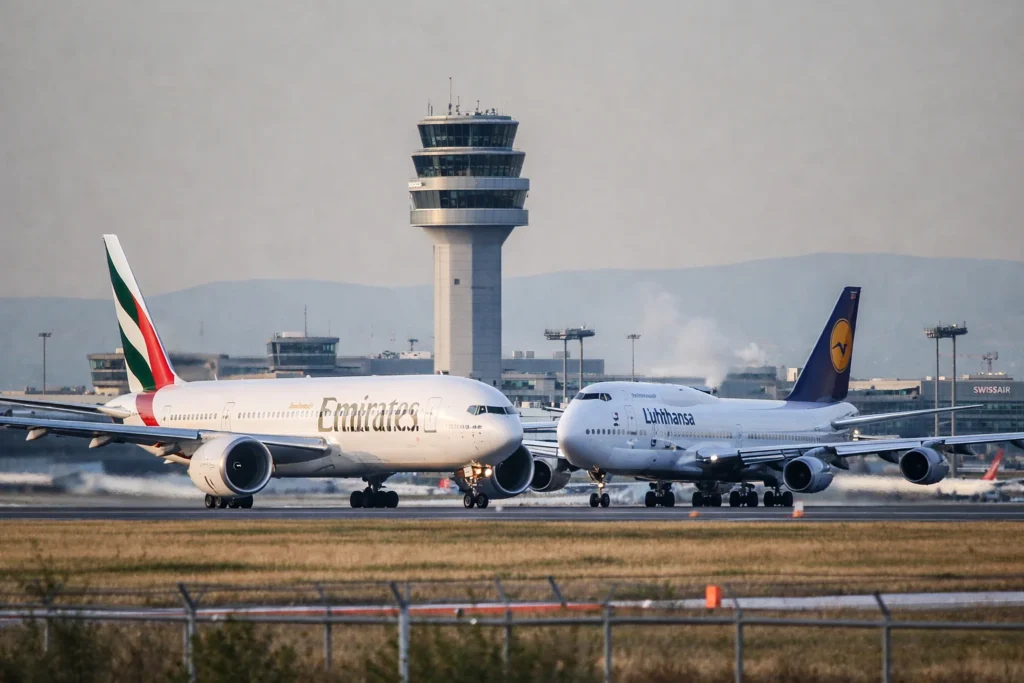
International travel routes are facing fresh disruption after several global airlines adjusted operations to avoid Pakistani airspace, creating longer journey times and new planning challenges for travellers. The move comes during a period of heightened regional tension and changing airspace rules, prompting carriers to reroute flights on selected Europe-Asia and Middle East corridors.
For the tourism industry, airspace changes matter because route efficiency directly affects travel time, aircraft scheduling, fuel use and ticket pricing. Even temporary restrictions can influence holiday planning, airline capacity and traveller confidence across multiple markets.
As global tourism continues to recover and expand in 2026, airlines are once again demonstrating how quickly geopolitical developments can reshape travel networks.
Why Airspace Matters to Tourism
Modern tourism depends on reliable global aviation corridors. Airlines plan routes carefully to balance safety, flight duration, fuel efficiency and passenger convenience. When a major airspace corridor becomes unavailable or less attractive, carriers must redesign schedules quickly.
This can affect:
- Flight times
- Connection windows
- Airline operating costs
- Aircraft utilisation
- Ticket availability
- Fare levels
- Traveller confidence
For long-haul travellers, even small route changes can influence the overall travel experience.
Airlines Adjusting Asia and Europe Routes
Flights between Europe and Asia often rely on efficient corridors across South Asia, Central Asia or the Middle East. When one route becomes restricted, airlines may shift to alternative paths that add distance and time.
Travellers flying between cities in Europe and destinations in India, Southeast Asia or East Asia may notice:
- Longer block times
- Different connection schedules
- Revised departure times
- Occasional cancellations
- Changes to aircraft rotation plans
These operational shifts are common when airlines prioritise safety and schedule reliability.
What This Means for Travellers
For passengers, the most visible impact of rerouting is often longer travel time. A flight that previously used a direct corridor may need to detour around restricted zones, adding minutes or hours depending on the route.
Travellers should be prepared for:
- Slightly earlier or later departures
- Longer journeys on selected sectors
- Tighter onward connections
- Schedule updates after booking
- Possible fare changes during peak periods
Checking flight status regularly becomes especially important during evolving situations.
Tourism Demand Often Remains Resilient
Although route changes create inconvenience, they do not always stop people from travelling. Tourism demand frequently remains strong when destinations themselves stay accessible and airlines continue operating safely.
Many travellers still prioritise:
- Family visits
- Business travel
- Holidays
- Religious journeys
- Study travel
- Major events
In many cases, travellers adapt by allowing extra time or choosing different connection points.
Potential Impact on Fares
Longer routes can increase airline costs because of higher fuel burn, crew time and scheduling complexity. Whether these costs are passed directly to passengers depends on competition, demand levels and each airline’s pricing strategy.
Possible fare outcomes include:
- Higher prices on affected long-haul routes
- Reduced promotional inventory
- Stronger demand for nonstop services
- Price differences by travel date
- Better value on alternative hubs
Travellers who book early and remain flexible may still find competitive options.
Hub Airports Could Benefit
When some air corridors face disruption, alternative connecting hubs often gain importance. Airports in regions with stable access and strong airline networks can attract additional transfer traffic.
Travellers may increasingly connect through hubs in:
- Southeast Asia
- Gulf markets with active operations
- Major European gateways
- Selected Central Asian corridors
This can reshape passenger flows and create new route opportunities for airlines.
India and Regional Tourism Effects
South Asia remains one of the world’s most dynamic travel markets, with strong demand for domestic and international trips. Airspace developments can influence travel patterns, especially for routes connecting India with Europe and North America.
However, demand fundamentals remain supported by:
- Growing middle-class travel demand
- Strong visiting friends and relatives traffic
- Expanding outbound tourism
- Rising domestic tourism
- Major city airport growth
Temporary route changes are significant, but long-term travel demand remains broader than any single corridor.
Airline Flexibility Is Key in 2026
The aviation industry in 2026 continues to navigate changing fuel markets, weather events, airspace issues and supply chain pressures. Successful airlines are those able to adjust networks quickly while maintaining customer trust.
Key strategies include:
- Dynamic route planning
- Real-time operational monitoring
- Clear passenger communication
- Flexible rebooking policies
- Efficient fleet deployment
- Strong alliance partnerships
Operational agility has become a major competitive advantage.
Travel Tips for Passengers
Travellers flying long-haul in the coming weeks can reduce stress by planning ahead.
Helpful tips include:
- Reconfirm schedules before departure
- Allow longer connection times
- Book directly with flexible fare options when possible
- Track airline notifications
- Consider travel insurance where appropriate
- Pack essentials in cabin baggage for long journeys
Prepared travellers usually handle disruption more smoothly.
Why Tourism Still Looks Strong
Despite periodic aviation disruptions, global tourism demand remains supported by strong interest in experiences and cross-border travel. People continue prioritising holidays, reunions and international exploration.
Destinations that remain well connected and communicate clearly with travellers are likely to continue performing strongly.
The broader tourism sector has become more resilient, with travellers increasingly accustomed to planning around changing conditions.
Final Tourism Outlook
The latest airline rerouting linked to Pakistani airspace shows how global travel networks can shift rapidly when regional tensions rise. For travellers, the immediate effects may be longer flight times and changing schedules. For airlines, it means higher complexity and careful operational management.
Yet tourism demand continues to move forward. With smart planning, flexible booking and close attention to updates, travellers can still navigate international journeys confidently in 2026 as the industry adapts to another changing aviation landscape.
For more travel news like this, keep reading Global Travel Wire