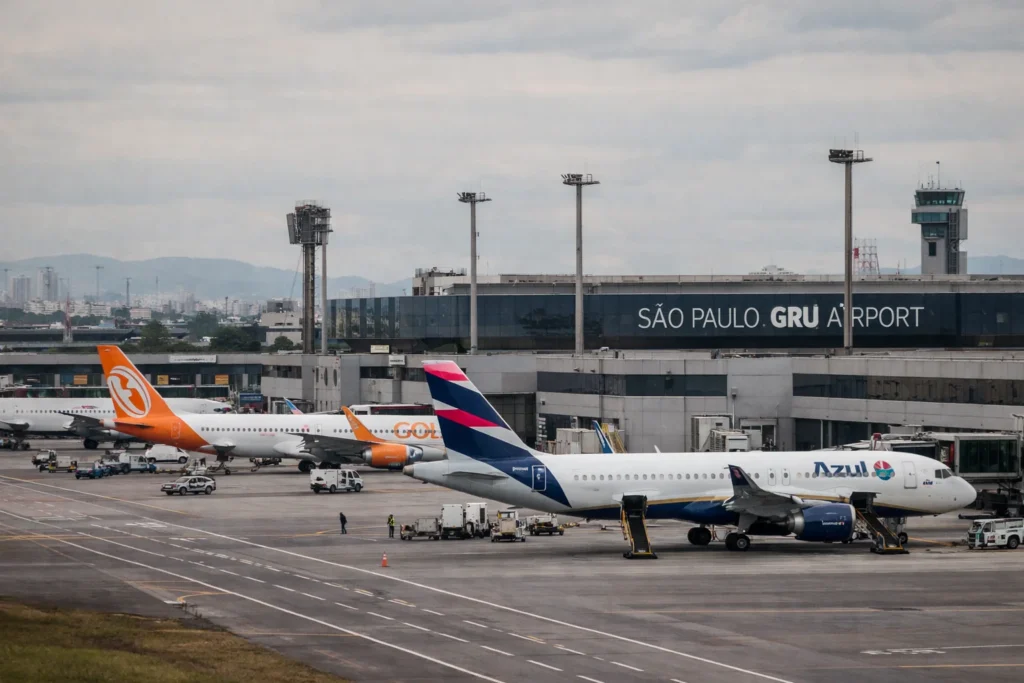
Travel across South America faced fresh pressure after operational disruptions at São Paulo–Guarulhos International Airport created a wave of delays and cancellations across regional networks. As Brazil’s busiest international gateway, Guarulhos plays a critical role in connecting domestic travellers and international visitors with destinations across the continent.
When operations slow at such a major hub, the effects can spread quickly to cities including Rio de Janeiro, Buenos Aires, Lima and other important tourism markets. For passengers, the result can mean missed connections, revised schedules and longer airport waits. For the tourism sector, it highlights how essential resilient airport systems are to maintaining smooth travel flows during busy seasons.
The latest disruption is a reminder that hub airports remain central to the success of modern tourism.
Why Guarulhos Matters to Tourism
São Paulo–Guarulhos is one of Latin America’s most important aviation hubs. It serves as a gateway for inbound visitors to Brazil and as a transfer point for passengers travelling throughout South America.
The airport supports travel to:
- São Paulo city breaks
- Rio de Janeiro holidays
- Patagonia and Argentina itineraries
- Peru cultural journeys
- Beach destinations in Brazil
- Business travel across the region
- Long-haul international connections
Because so many journeys pass through the airport, delays can affect thousands of passengers beyond São Paulo itself.
What Happened at the Hub
During the disruption period, dozens of flights were delayed and several services cancelled, creating a ripple effect across airline schedules. Even a relatively small number of cancellations can create wider problems when aircraft and crews are needed for multiple daily routes.
Airline hubs depend on tight timing. Aircraft arrive, unload, refuel, board new passengers and depart again on short schedules. When one step slows down, later flights may also be affected.
Common causes of cascading disruption include:
- Air traffic congestion
- Runway constraints
- Weather interruptions
- Extended turnaround times
- Crew scheduling pressure
- Aircraft rotation delays
At busy airports, recovery can take time.
Regional Tourism Routes Feel the Impact
Many of South America’s most popular tourism routes rely on fast and frequent services through São Paulo. That means delays at Guarulhos can quickly reach other destinations.
Routes likely to feel pressure include:
- São Paulo to Rio de Janeiro
- São Paulo to Buenos Aires
- São Paulo to Lima
- São Paulo to Brasília
- São Paulo to Salvador
These routes serve a mix of business travellers, holidaymakers and international connections.
For visitors with onward plans such as cruises, tours or domestic flights, schedule changes can be especially challenging.
Why Hub Airports Create Domino Effects
Large hubs are designed for connectivity. That makes them efficient when everything runs on time, but sensitive when disruption begins.
For example:
- A delayed inbound aircraft may depart late again
- Crew duty limits can require schedule changes
- Missed connections increase rebooking demand
- Airport gates remain occupied longer than planned
- Later flights lose turnaround time
This is why one busy morning can affect schedules well into the evening.
Tourism Demand in Brazil Remains Strong
Despite temporary operational issues, Brazil remains one of the leading tourism markets in the region. Travellers continue choosing the country for its beaches, culture, events, nature tourism and major cities.
Popular draws include:
- Rio de Janeiro landmarks
- Amazon experiences
- São Paulo food and culture
- Northeastern beach holidays
- Iguazu Falls
- Carnival and festivals
- Eco-tourism adventures
Strong demand means airports and airlines are managing high passenger volumes, especially around holiday periods and major events.
What Travellers Should Do Now
Passengers travelling through São Paulo in the near term can reduce stress by planning carefully and staying informed.
Helpful steps include:
- Check flight status before leaving for the airport
- Monitor airline app notifications
- Arrive earlier during busy travel periods
- Keep connection times generous when possible
- Pack essentials in cabin baggage
- Save booking details and support contacts
Prepared travellers are often better positioned if schedules change.
Why Reliability Matters to Tourism Growth
Tourism depends not only on destination appeal but also on the quality of the journey. Smooth airports, on-time flights and easy transfers help build traveller confidence.
When disruptions happen repeatedly, they can influence:
- Airline reputation
- Destination choice
- Repeat visitation
- Corporate travel decisions
- Event planning confidence
That is why investment in airport infrastructure, staffing and digital systems remains critical for long-term tourism growth.
Airlines Continue Recovery Efforts
Carriers typically work quickly after disruption events to restore normal schedules, reposition aircraft and accommodate affected passengers. Recovery can involve:
- Rebooking travellers on later flights
- Adding capacity where possible
- Adjusting aircraft assignments
- Re-sequencing crews and maintenance
- Prioritising high-demand routes
Most disruptions are temporary, but the speed of recovery shapes passenger experience.
South America’s Travel Outlook in 2026
The broader tourism outlook for South America remains positive. Interest in nature travel, city breaks, culture and adventure experiences continues to grow. Improved regional connectivity has also supported multi-country travel plans.
Travellers increasingly combine destinations such as:
- Brazil and Argentina
- Peru and Chile
- Rio and beach resorts
- Urban and eco-tourism experiences
Strong hub performance will remain essential to sustaining this momentum.
Final Tourism Outlook
The latest São Paulo airport delays show how quickly disruption at one major hub can affect tourism travel across an entire region. For travellers, the immediate impact may be longer waits and revised plans. For the industry, it reinforces the need for resilient operations and continued infrastructure investment.
Even with temporary delays, South America’s tourism appeal remains strong. With smart planning and responsive airline operations, travellers can continue exploring one of the world’s most diverse and exciting regions throughout 2026.