Amid evolving international travel conditions and shifting geopolitical dynamics across key transit regions, global travelers are increasingly prioritizing destinations characterized by social stability, high personal safety, and strong civic infrastructure. According to annual indices measuring international peacefulness alongside official regional travel data, stable destinations in Northern Europe, the Atlantic, and the Asia-Pacific region continue to attract strong visitor numbers seeking restorative cultural and natural experiences.
Official metrics from global peace research institutions highlight that countries consistently ranking at the top of security indices share structural traits: robust public institutions, low violent crime rates, reliable healthcare infrastructure, and transparent emergency management protocols. For international visitors navigating unpredictable travel environments, these locations offer predictable conditions alongside exceptional natural and cultural attractions.
High-Ranking Nations Lead Global Security Indices
International rankings tracking national safety place several European and Asia-Pacific nations at the forefront of global peacefulness. The Global Peace Index continuously identifies nations such as Iceland, New Zealand, Ireland, Switzerland, Slovenia, Austria, Portugal, and Singapore among the world’s most peaceful societies.
Government tourism releases emphasize how high baseline peacefulness enhances the overall visitor experience:
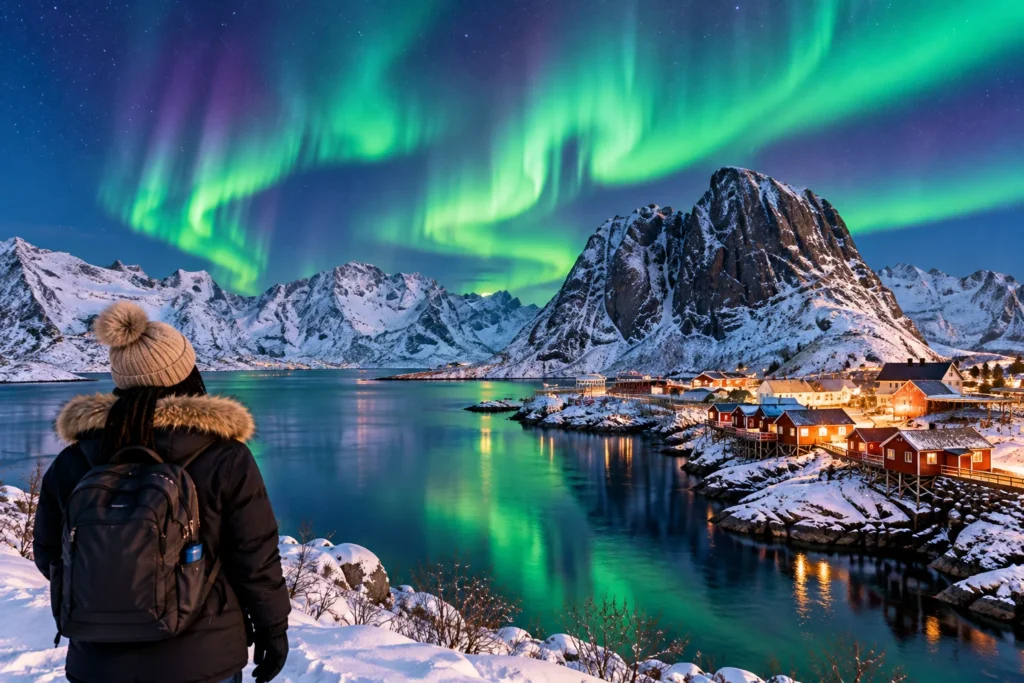
Iceland: Ranked as the world’s most peaceful country for consecutive years, the North Atlantic island nation draws foreign visitors to its geothermal sanctuaries, glacial parks, and volcanic landscapes. Official tourist board statistics confirm sustained visitor arrivals exceeding 1.5 million annually, with strong demand centered around winter aurora viewing and summer eco-tours.
New Zealand: Leading the Asia-Pacific region in social security metrics, New Zealand offers low-density nature travel across alpine networks, national parks, and coastal reserves.
Portugal & Ireland: Positioned among Europe’s safest destinations, both nations feature accessible coastal itineraries, well-preserved historic centers, and highly rated regional hospitality infrastructure.
Singapore & Slovenia: Offering exceptionally high urban security standards, these hubs provide efficient public transit, clean public environments, and well-managed green spaces.
These destinations demonstrate that domestic stability serves as a foundational element of long-term tourism resilience.
Navigating Flight Routes and Transit Security
As airspace restrictions and geopolitical events influence traditional international aviation corridors, civil aviation authorities and national flag carriers are optimizing route structures to provide reliable, non-stop connections. Travelers departing from Europe and North America increasingly select direct flight paths that bypass complex transit hubs in favor of point-to-point service.
Aviation and transportation ministry data outline key developments in route planning:
Direct Atlantic Access: Expanded direct long-haul flights connecting North American gateways with island destinations like Iceland and Ireland reduce layover complexities and total travel time.
Airspace Avoidance Corridors: Commercial airlines continue to dynamically re-route international flights around restricted zones, maintaining stringent safety protocols monitored by international aviation regulatory bodies.
Regional Hub Efficiency: Well-regulated transit hubs such as Singapore Changi Airport offer streamlined border clearance and high security standards for intercontinental connections.
By utilizing direct, verified flight paths, travelers reduce travel friction and ensure predictable schedules.
Distinguishing Societal Peace from Local Safety Planning
While national peacefulness rankings reflect structural stability, government tourism departments remind visitors that practical safety planning remains essential regardless of destination. Natural phenomena, seasonal weather fluctuations, and general urban awareness require active attention.
Official national safety agencies recommend that international visitors observe essential precautions when traveling:
Monitor Local Natural Hazards: In destinations known for active geothermal or alpine environments—such as Iceland or New Zealand—travelers should regularly check official national meteorological and civil defense portals before embarking on rural excursions.
Verify Emergency Services Access: Understanding local emergency contact protocols, national helpline numbers, and regional medical facility access points ensures swift assistance if needed.
Observe Urban Safety Norms: Even in highly secure capital cities like Reykjavik, Lisbon, or Singapore, keeping personal belongings secure and adhering to local municipal guidelines protects against routine travel disruptions.
By combining destination choices focused on high social stability with responsible travel preparation, global travelers can enjoy meaningful, restorative journeys across the world’s most serene environments.
For more travel news like this, keep reading Global Travel Wire