The rapid expansion of global leisure athletics has found vibrant momentum across East Asia, positioning Japan sports tourism as a primary beneficiary of the worldwide pickleball phenomenon. Historically renowned for traditional martial arts, baseball, and winter mountain sports, Japan is experiencing an energetic transformation across its urban recreational landscape. The influx of international racket sport enthusiasts, combined with widespread domestic adoption, is catalyzing an emerging sector of active travel where holidaymakers integrate social athletics into their metropolitan itineraries.
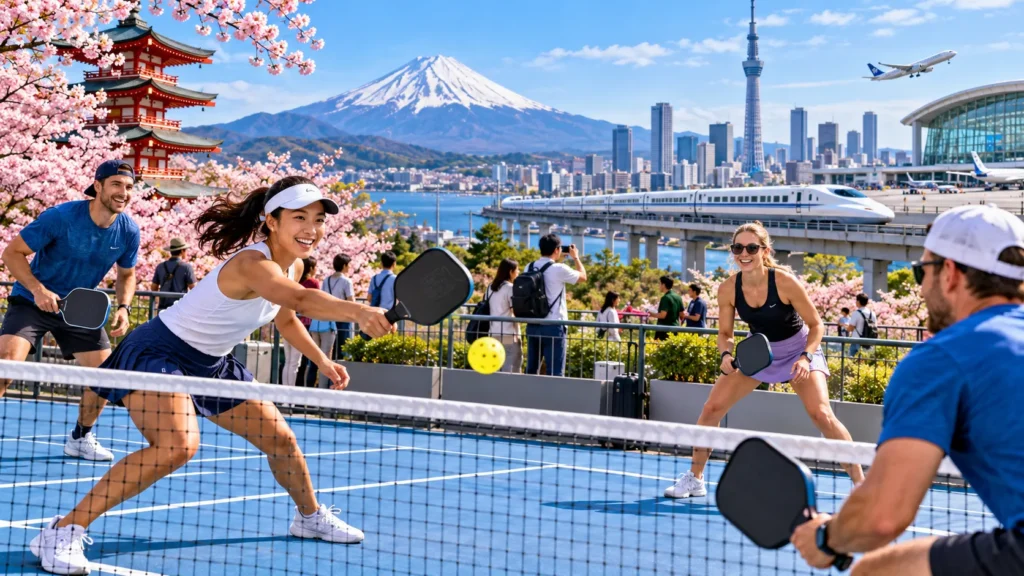
Blending elements of tennis, badminton, and table tennis, pickleball is contested on a compact hard court utilizing composite paddles and perforated plastic balls. Its lower physical barrier to entry, strategic emphasis on close-range volleys near the non-volley zone, and high social connectivity have turned municipal sporting grounds into gathering spots for international travelers, expatriate networks, and regional residents alike.
Expanding Sports Tourism Infrastructure Across Metropolitan Hubs
The rapid uptick in interest has elevated demand for athletic infrastructure throughout Japan. As international visitors seek recreational spaces during extended stays in Tokyo and neighboring prefectures, public sports complexes and private wellness operators are moving to adapt. Regional authorities and municipal planning offices are receiving formal representations to create dedicated facilities capable of hosting both grassroots recreational sessions and multi-regional competitions.
Because standard dimensions align closely with badminton courts, regional recreation departments and hospitality venues are repurposing existing multi-purpose gymnasium floors and underutilized tennis surfaces. In eastern Tokyo, long-established private athletic clubs have transformed surplus outdoor tennis areas into specialized four-court complexes. These upgraded sporting layouts allow overseas travelers and local enthusiasts to reserve court time, attend beginner clinics, and participate in organized weekend mixers.
Commercial developers are likewise stepping in to meet this growing leisure segment. Former aquatic facilities and metropolitan properties in key districts such as Ikebukuro and Tachikawa have been converted into modern indoor racket sport arenas. These venues provide all-weather recreational options for visiting tourists, complete with climate-controlled viewing pavilions and dedicated practice lanes.
International Tournaments Attract Overseas Participants to Tokyo
A driving factor behind the rise of active sports travel in Japan is the expansion of sanctioned international tournaments. Metropolitan arenas have successfully hosted premier regional competitions, such as the Asian circuit championships, which gather hundreds of domestic and foreign competitors.
These competitive events generate substantial economic value for the inbound hospitality sector. Visiting athletes, technical staff, and sports enthusiasts reserve local hotel accommodation, patronize regional culinary establishments, and explore surrounding cultural districts. Beyond the competitive matches, these gatherings function as cross-cultural exchanges where overseas travelers play alongside local residents, exchanging techniques and participating in community coaching sessions.
To support this professional trajectory, domestic sports development programs are recruiting experienced competitors from tennis and badminton backgrounds, preparing them for overseas tours. The creation of regional team leagues and exhibitions provides visiting spectators with professional sports entertainment, complementing conventional sightseeing tours with high-level athletic showcases.
The Cultural Appeal of Active Urban Recreation
The rise of racket sports in Japan is closely linked to changing lifestyle patterns and post-work habits in urban centers. Early morning leisure sessions have become popular among corporate professionals and visiting business travelers seeking wellness activities before daytime meetings.
The accessible nature of the game makes it an ideal fit for intergenerational travel. Unlike high-impact sports requiring intensive physical training, newcomers can achieve satisfying rallies within an initial one-hour coaching orientation. Family travelers, senior tourists, and mixed-skill tour groups can easily participate in shared physical activity.
This widespread appeal aligns with regional tourism board initiatives designed to disperse visitors beyond conventional sightseeing landmarks and into local neighborhoods. Community sports days, municipal trial workshops, and recreational clubs provide international visitors with an authentic glimpse into everyday Japanese neighborhood culture, fostering interpersonal connections that go beyond standard museum and heritage visits.
Long-Term Sustainability and Destination Development
As municipal bodies, sports associations, and international visitors continue to interact on courts across the country, tourism planners are assessing how to ensure long-term sustainability for recreational travel. The challenge centers on balancing commercial court utilization with open civic access, ensuring that local residents retain ample facilities while accommodating visiting players.
Urban sports culture analysts emphasize that the enduring success of the sport will depend on its capacity to adapt to diverse age groups, lifestyle preferences, and urban spatial constraints. By integrating dedicated sporting spaces into future urban renewal projects, transport corridors, and suburban lifestyle centers, planners can build a resilient foundation for long-term health, community engagement, and athletic tourism.
Through proactive investment in certified facilities, progressive coach accreditation, and cross-border tournament planning, Japan is successfully establishing itself as a premier destination for active leisure and global racket sports. For international holidaymakers planning upcoming journeys, the country offers not only rich cultural traditions and modern urban exploration, but also an inviting community court ready for play.
For more travel news like this, keep reading Global Travel Wire