The preservation of peaceful maritime corridors and regional stability remains central to the sustained momentum of Red Sea tourism across North Africa and the Middle East. Over the past decade, coastal resorts, marine ecological reserves, and international cruise itineraries connecting the Mediterranean with the Red Sea have developed into foundational pillars of economic development and cultural exchange for coastal nations. Official government statements from Egypt emphasize the critical need to preserve sovereign security and safeguard peaceful civil infrastructure across key navigation hubs to protect regional commerce, civilian transit, and the visitor economy.
Recent official communications from Cairo highlight the delicate balance between international diplomatic solidarity and the protection of sovereign economic assets. Following heightened regional tensions and discussions regarding regional defense cooperation within the Arabian Peninsula, Egyptian leadership underscored that strategic engagements remain strictly defensive. In formal ministerial announcements, Egypt clarified that its priority centers on regional de-escalation, conflict resolution, and the active avoidance of cross-border military entanglements.
Diplomatic Solutions Anchor Tourism and Regional Confidence
Foreign policy statements issued by the Egyptian Ministry of Foreign Affairs have consistently reaffirmed that sustainable economic growth and long-term travel security rely entirely on political consensus rather than expanded military confrontations. Emphasizing peaceful diplomatic mechanisms, official authorities have called for comprehensive solutions to regional disputes while ensuring the absolute integrity of civilian shipping routes and peaceful border corridors.
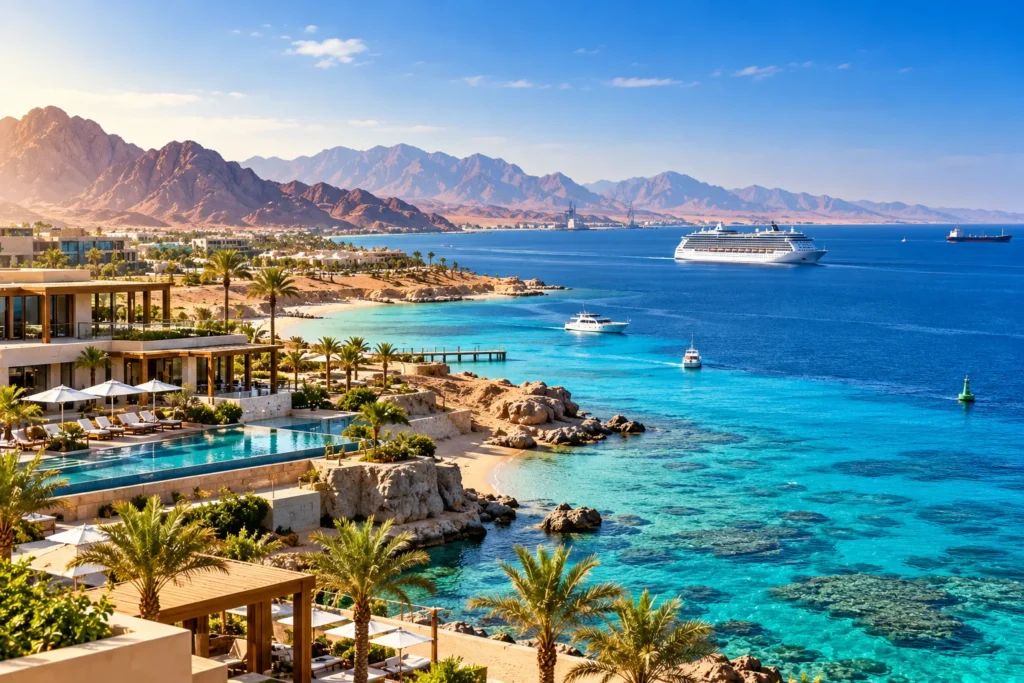
The diplomatic priority placed on stability directly supports the multi-billion-dollar tourism sector across coastal hubs such as Sharm El-Sheikh, Hurghada, and Marsa Alam. These destinations welcome millions of international travelers annually for world-class diving, marine biodiversity observation, and heritage excursions. Tourism ministries and regional civil defense bodies continue to coordinate measures ensuring that international leisure hubs remain insulated from distant territorial conflicts. By championing political dialogue, government authorities reinforce international consumer confidence in regional flight corridors, luxury resort operations, and coastal hospitality networks.
Safeguarding Maritime Gateways and Leisure Navigation
A cornerstone of both global supply chain logistics and international leisure voyages is the uninterrupted flow of vessels through the Suez Canal and down into the southern Red Sea. Official assessments delivered by the Egyptian state reflect the immense economic weight of these waterways. Disruptions to commercial navigation and international maritime lines directly influence port transit fees, fuel logistics, and cruise route planning throughout the Eastern Mediterranean and Red Sea basins.
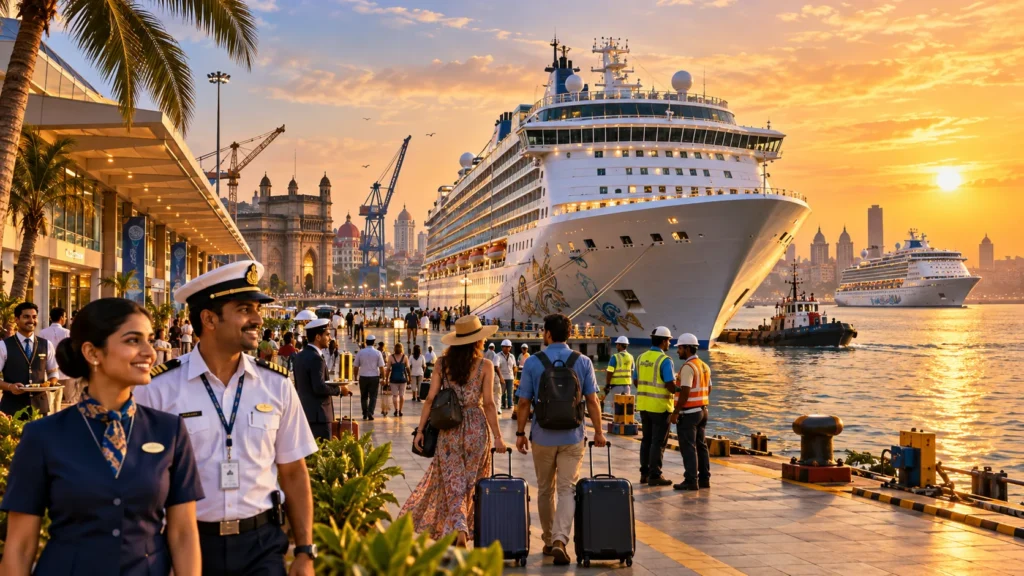
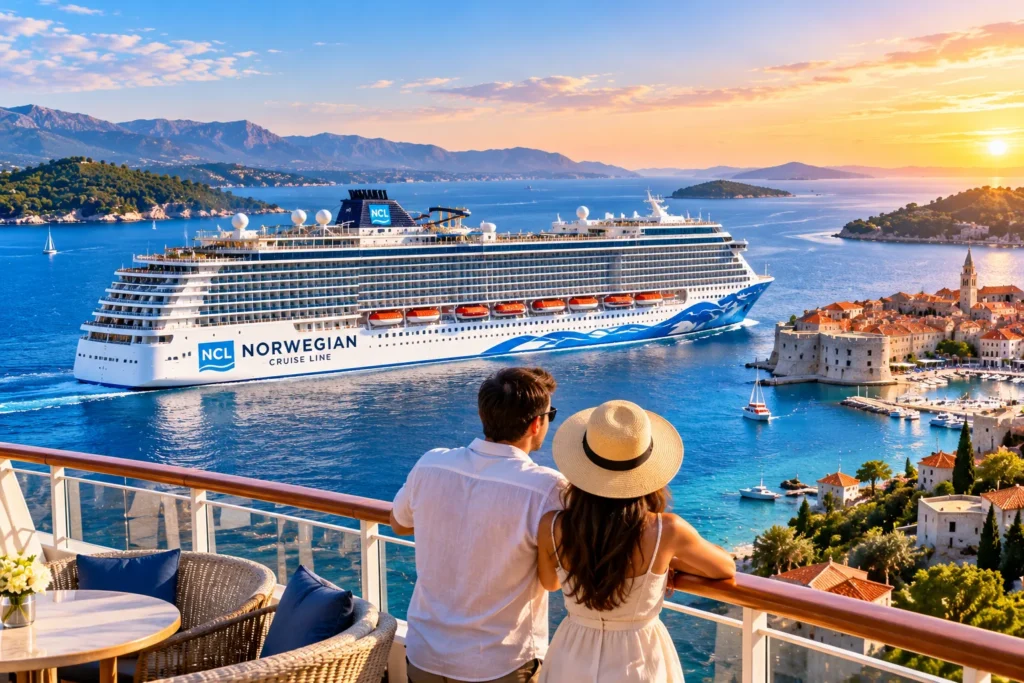
Cruise tourism, which represents a rapidly expanding segment of leisure travel between Europe, Egypt, and the Arabian Peninsula, relies fundamentally on predictable and secure maritime waters. Multi-port itineraries that integrate historical ports, from Alexandria and Port Said through to Aqaba and coastal Saudi Arabian cultural destinations, require continuous navigational security. Strategic intergovernmental discussions regarding regional security serve as a reminder of how vital peaceful waterways are for sustaining the cruise liner industry, commercial passenger ferries, and private yachting expeditions that explore the pristine coral reef systems of the Red Sea.
Economic Diversification and Infrastructure Resilience
National tourism authorities throughout the region are actively investing in modern visitor infrastructure, domestic transport networks, and heritage preservation to build resilient visitor economies. Egyptian state planning continues to prioritize the integration of resort cities with cultural heritage centers along the Nile Valley via modern high-speed rail links and expanded airport hubs.
By diversifying the leisure portfolio to combine coastal beach holidays with cultural tourism at the Grand Egyptian Museum and archaeological sites in Luxor and Aswan, tourism authorities are insulating the industry against single-sector volatility. Official statistics continue to emphasize the role of international visitor revenue in sustaining regional employment, modernizing municipal infrastructure, and financing marine conservation programs along sensitive marine environments.
The preservation of regional air corridors is another vital element of this resilience. Civil aviation authorities remain focused on maintaining rigorous international safety protocols, ensuring seamless arrivals from major European, Asian, and regional source markets into local leisure gateways. Coordinated airspace management protocols ensure that scheduled commercial flights and chartered holiday services operate with uninterrupted precision, providing international holidaymakers with dependable access to warm-weather coastal escapes.
Prioritizing Peaceful Development for Long-Term Travel
The lessons of regional history serve as a clear guide for contemporary policy. Decades of administrative and regional assessments underline that prolonged military friction undermines infrastructure growth and visitor arrivals across surrounding borders. By steering foreign policy firmly toward non-aggression, international legal standards, and diplomatic conflict resolution, government leadership protects both local prosperity and international leisure travel.
As global travelers increasingly prioritize destinations that deliver seamless connectivity, certified security standards, and rich cultural experiences, the focus remains fixed on sustaining a peaceful operating climate. Coordinated public governance, steady investment in sustainable marine infrastructure, and proactive diplomatic initiatives ensure that the Red Sea continues to welcome international explorers to its world-renowned historical and natural wonders.
For more travel news like this, keep reading Global Travel Wire