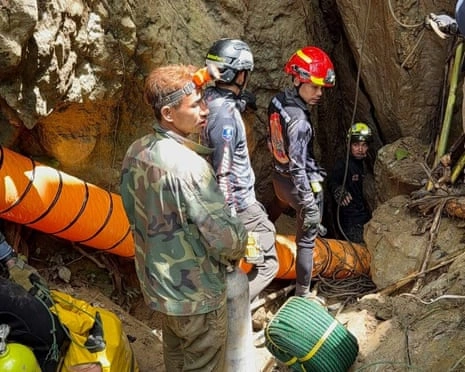
A major cave rescue emergency in Laos has intensified in Xaysomboun Province after severe monsoon flooding trapped villagers inside a remote cave system near Longcheng, triggering urgent warnings for adventure travelers exploring mountainous and rural destinations during the rainy season. Rescue teams continue battling flooded passages, unstable terrain and mud-filled underground chambers as the operation evolves into one of the country’s most dangerous monsoon-related rescue missions in recent years.
The emergency, linked to Phanchai Village in central Laos, has drawn regional attention to the growing risks associated with cave exploration and remote eco-tourism during Southeast Asia’s monsoon season. Authorities and rescue personnel are working under highly challenging conditions as water levels, visibility and underground stability continue changing inside the cave system.
The incident is also exposing wider tourism safety concerns across Laos, where remote mountain attractions, jungle trails and cave networks remain increasingly popular with adventure travelers seeking off-grid experiences.
Longcheng Cave Turns Into High-Risk Rescue Zone
Longcheng District, known for its rugged mountains, dense forests and isolated rural communities, has now become the center of a tense rescue operation involving local responders, volunteers and international cave specialists. The cave itself is not a developed tourism site equipped with lighting systems, visitor infrastructure or emergency escape routes. Instead, it is a natural underground formation with narrow access points, muddy terrain and unpredictable flooding risks.
Heavy rainfall rapidly transformed sections of the cave into dangerous flood channels, trapping victims and severely complicating rescue access. Rescuers have been forced to move through tight passages with limited visibility while monitoring unstable rock formations, rising water and oxygen concerns in deeper underground chambers.
Every movement inside the cave requires extreme caution. Floodwaters can shift suddenly, mud can block escape routes and loose terrain can collapse without warning. These factors have significantly slowed progress and increased danger levels for rescue teams operating underground.
Monsoon Season Creates Major Risks for Adventure Tourism
The ongoing emergency has become a stark reminder of the dangers associated with monsoon travel in Laos and other parts of Southeast Asia. While the rainy season transforms landscapes into lush green tourism destinations, it also creates some of the region’s most unpredictable environmental hazards.
Heavy rain can flood caves within minutes, trigger landslides on mountain trails and cut off remote villages and forest routes. In limestone and karst regions such as Xaysomboun, underground water systems can change rapidly, creating hidden currents and sudden flood surges inside cave networks.
Tourism experts warn that cave exploration during or immediately after heavy rainfall should never be treated as a casual activity. Unmapped or poorly monitored cave systems are particularly dangerous because they often lack official safety guidance, rescue mapping and emergency communication infrastructure.
Even experienced travelers and guides can become trapped when water levels rise unexpectedly inside confined underground environments.
International Rescue Teams Join Emergency Operation
The scale and complexity of the rescue operation have prompted support from international cave rescue specialists, including Thai rescue divers with expertise in flooded cave missions. These teams are assisting local authorities with underwater navigation, pumping operations and underground search efforts.
Flooded cave rescues require highly specialized skills because divers must navigate through dark, narrow and muddy underwater passages where visibility is often near zero. Surface crews are also managing logistics, emergency medical preparation and transportation support as the search continues.
Medical teams remain on standby to provide urgent treatment should survivors be located and evacuated from the cave system. The multinational response highlights the importance of regional cooperation during large-scale natural emergencies across Southeast Asia.
Tourism Industry Faces Pressure to Improve Safety Awareness
Xaysomboun Province possesses strong eco-tourism and adventure travel potential thanks to its mountains, forests and rural landscapes. However, the current crisis is likely to increase pressure on tourism operators and local authorities to strengthen safety awareness and seasonal travel guidance for visitors.
Adventure tourism operators may now face growing calls for clearer cave access restrictions, stronger weather-based safety protocols and improved visitor education during monsoon periods. Local guides, hotels and transport providers also play an important role in informing travelers about environmental risks in remote areas.
Unlike resort destinations with extensive infrastructure, rural Laos can present major logistical challenges during emergencies. Poor road conditions, limited communications and difficult terrain can significantly delay rescue operations and emergency response times.
Travelers Urged to Exercise Extreme Caution
The Longcheng cave emergency is already serving as a major travel safety warning for tourists planning outdoor and adventure activities in Laos during the rainy season. Travel experts advise visitors to monitor weather conditions carefully, avoid caves during heavy rain periods and only explore remote sites with trained local guides familiar with the terrain.
Tourists are also encouraged to inform hotels, relatives or tour operators about travel routes before entering isolated mountain regions. Carrying emergency supplies such as flashlights, charged mobile phones, water and first-aid kits can help during unexpected situations, although safety experts stress that equipment cannot replace proper judgment.
In many cases, postponing or cancelling risky outdoor activities during severe monsoon conditions remains the safest option.
Laos Tourism Balances Natural Beauty and Safety Challenges
The cave rescue crisis in Xaysomboun has underscored both the beauty and vulnerability of Laos’ adventure tourism sector. The country continues attracting travelers seeking authentic nature experiences, remote landscapes and eco-tourism opportunities beyond crowded regional destinations.
However, the emergency demonstrates how quickly natural environments can become life-threatening when severe weather combines with remote terrain and limited infrastructure.
As rescue operations continue near Longcheng, the incident is likely to shape future discussions around tourism safety, monsoon travel preparedness and responsible adventure tourism across Laos.
For more travel news like this, keep reading Global Travel Wire